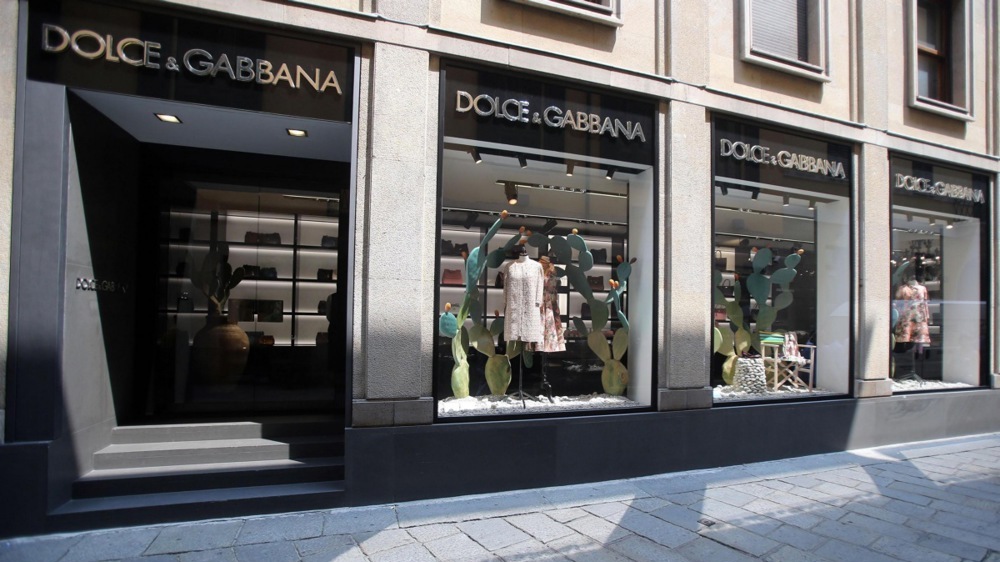
When a company sells its own walls and remains as a tenant — this is called sale-leaseback. Legally, the assets change hands, but operationally, nothing changes. To an outside observer, everything looks the same as before: the signage, the storefront, the atelier. But the balance sheet is already different.
According to Bloomberg, Dolce & Gabbana is currently considering this very scheme for part of its real estate in Milan, specifically properties in the Porta Venezia area. The goal is to obtain liquidity and support debt refinancing, which currently stands at approximately €450 million.
How the debt accumulated
The crisis didn't come out of nowhere. In 2025, the company already went through a refinancing of €300 million in debt with repayment until 2030 — and at the same time received an additional €150 million from creditors to develop beauty and real estate divisions. In other words, the company borrowed money for expansion while extending its main debt.
According to FashionNetwork citing sources, banks are now demanding an injection of fresh capital of up to €150 million as a condition for a new round of negotiations. For comparison: last year, Valentino found itself in a similar situation — and then the owners Kering and Mayhoola agreed to contribute €100 million to unlock a deal with banks.
According to BeBeez, D&G hired Rothschild bank for negotiations with creditors. Among the lenders are Intesa Sanpaolo, BNL BNP Paribas, Banco BPM, Cassa Depositi e Prestiti, and Crédit Agricole.
Change in ownership — without announcement
Parallel to the debt negotiations, a quiet management change took place. Stefano Gabbana resigned as chairman of the board in December 2025 — but the company only publicly confirmed this in April 2026, when Bloomberg gained access to the Milan Chamber of Commerce registration documents.
"The resignation has no impact on Stefano Gabbana's creative activities in the group."
— Official statement from Dolce & Gabbana
Alfonso Dolce — Domenico's brother — took the chairman's seat. According to nss magazine, Gabbana is also considering options regarding his stake of approximately 40% in the company. Sources indicate that the ownership structure question is one of the key issues in negotiations with banks.
Context: luxury in retreat
D&G is not an exception. The global slowdown in demand for luxury goods, particularly from Chinese buyers, and instability in the Middle East have hit the entire segment. The company has recorded declining margins and breaches of certain covenants — conditions tied to financial metrics that banks include in credit agreements.
The group's revenue in 2025 was €1.9 billion — a substantial figure, but apparently insufficient to service debt under current conditions without additional maneuvers.
The sale-leaseback strategy allows the company to obtain cash without formally admitting insolvency and preserve operational presence in key locations. But the price is the loss of assets that have been part of the brand's identity for decades: buildings in central Milan are not just offices, they are part of the "Italian luxury" product.
If banks agree to new terms without requiring an outside investor — D&G will preserve the independence it has carefully guarded. If not, the next step could be exactly what the founders have avoided for years: selling a stake to a strategic partner or beginning preparations for an IPO.







