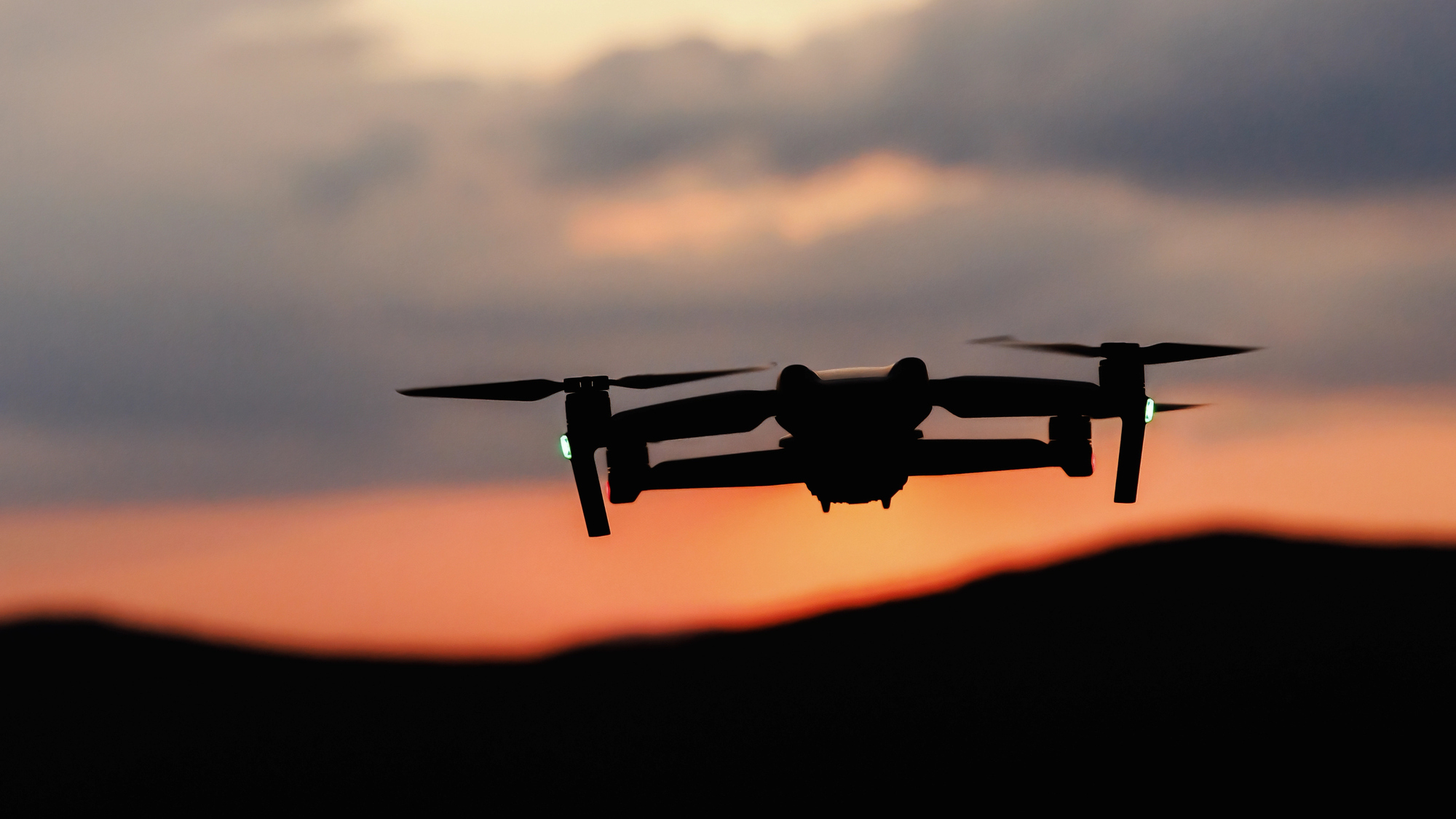
A unit commander who needs a drone with a specific flight time, certain communication type, and exact payload weight for reconnaissance over a forest strip previously had to choose from what was already in the catalog. Now he can formulate the technical specifications himself and wait for manufacturers to offer their prices. Brave1 Market has launched the ability to order fully custom drones, and this changes the procurement logic in a sector where speed and precision for a specific task often matter more than standardization.
What can be "customized" in an order
A unit formulates a request specifying desired tactical and technical characteristics, quantity, and delivery timeframes. According to the Defense Ministry's press service, customization covers more than 17 points — communication type, cameras, payload mass, flight time. This allows ordering a drone not "in general," but for a specific mission: long-term surveillance is one thing, a quick strike raid is another.
The system automatically distributes the request to potential suppliers. They can respond or ignore the application, and the customer does not see who submitted the offer. If several applications match in terms of specifications, automatic bidding is triggered — the lowest price wins. Next, the unit concludes a direct agreement with the manufacturer.
Where the corruption risk threshold lies
The Defense Ministry emphasizes that supplier anonymity at the response stage and automatic bidding when specifications match make collusion between the customer and a specific manufacturer impossible. This is a real problem that this mechanism attempts to close: in procurements with specific specifications, there is always a temptation to "tailor" requirements for one supplier. Automating bidding when applications match is an attempt to technically prevent such a scenario, not just declare the procedure's honesty.
The ministry separately clarifies that it is possible to order even non-codified Defense Ministry solutions — that is, technologies that have not yet completed the full bureaucratic cycle of recognition, but are already ready for delivery.
The main limitation — money
The custom orders functionality currently works exclusively for procurements using units' own funds, not e-balls — the state instrument for financing drone purchases. This means that access to the drone "constructor" is available not to every unit, but only to those with their own budget or volunteer support. How quickly Brave1 will connect state financing through e-balls to customization depends on whether the system can handle the load without failures in less well-supplied areas.
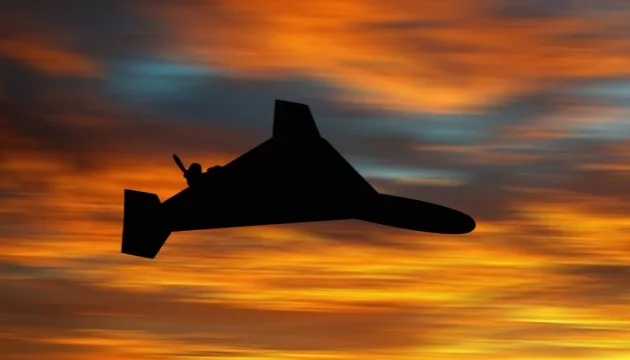
Among currently available technologies are FPV-kamikaze, FPV-kamikaze on fiber optics, and aircraft-type interceptors. Platform plans to expand the list by adding ground robotic systems.
Context: centralization of procurement
- From January 1, all military procurements — weapons, clothing, ammunition, food — are handled by the Defense Ministry's Defense Procurement Agency.
- In early April, then Prime Minister Yulia Svyrydenko reported that the DPA would administer the electronic catalog Prozorro Market for defense customers, gaining the ability to work independently with suppliers and verify product compliance with requirements.
If customization is extended to state-funded procurements, it could become a stress test for the entire Brave1 model — whether the automated bidding system can handle the scale when hundreds of units without their own budget connect to it.