Causes of the decline
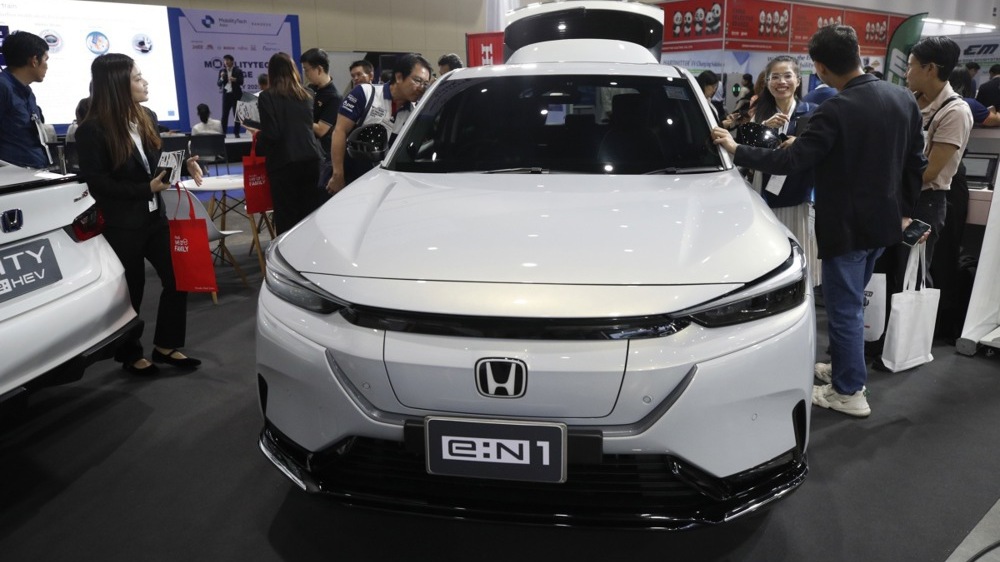
Reuters reports that Honda Motor's operating profit in the third quarter of the fiscal year (October–December 2025) amounted to 153.4 billion yen — 61.4% lower year-on-year. The company attributes this to two key factors: the end of incentives and a sharp slowdown in demand for electric vehicles in North America (which reduced profits by roughly 270 billion yen over nine months) and the impact of U.S. tariffs, which cut results by a further roughly 280 billion yen.
Role of North America
The United States remains a critically important market for Honda — more than two-fifths of its global sales for this period came from North America. When the largest market changes the rules (incentives, tariffs), it immediately reverberates through supply chains and manufacturers' profitability.
Business balance and brand
Alongside problems in the electric vehicle segment, Honda's motorcycle business is showing steady growth — with the largest sales recorded in India and Brazil — which helps mitigate overall losses. The company kept its annual operating profit forecast at 550 billion yen and announced a logo change: the new emblem will appear on electric vehicles and next‑generation hybrids starting in 2027.
"The company's current task is to create a lean operating structure that can respond flexibly to changes in the business environment."
— Noriya Kaihara, Executive Vice President, Honda
Systemic effect on the Japanese industry
Analysts note that the combined profit of the seven largest Japanese automakers (Toyota, Honda, Nissan, Mazda, Mitsubishi, Subaru and Suzuki) fell by about 1.5 trillion yen due to U.S. tariffs. This is not an isolated glitch — it is a signal of the vulnerability of an ecosystem that depends on the policies of major buyers.
What this means for Ukraine
For Ukrainian auto parts manufacturers and exporters, this decline is a reminder of two simple truths: dependence on a single large market and on external incentives increases risk; diversification of markets, flexible logistics and raising product competitiveness are the keys to resilience. Institutions and investors should see not only risks but also opportunities — to take niches in global supply chains that are becoming less predictable.
Conclusion
Honda's profit drop is the result of a simultaneous hit to electric vehicle demand and tariff pressure. It's a lesson for the entire industry: profits can quickly turn into losses if a flexible strategy is not built. Whether Ukrainian companies will seize this opportunity depends on the pace of diversification and the quality of management.







