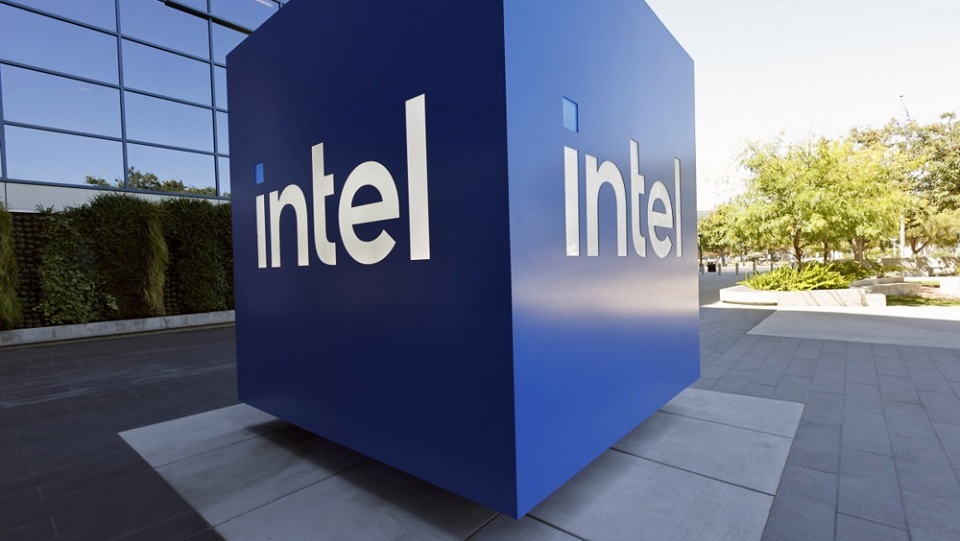
In 2026, Intel shares surged 90% — reaching levels the company hadn't seen since the dot-com boom of the early 2000s. For a corporation that in recent years has been associated mainly with delays, layoffs, and lost market share, this represents a sharp turnaround.
What changed? Several factors converged simultaneously. First, Intel secured major government contracts under the American CHIPS Act — subsidies for building manufacturing facilities on U.S. soil. Second, new management convinced investors that the company is finally catching up to TSMC and Samsung's technological lead in chip production using advanced processes. Third, global demand for semiconductors — from AI servers to automotive electronics — remains structurally strong.
But beneath this rally lies genuine tension. Intel has yet to prove that its own manufacturing operations (Intel Foundry Services) can compete with Asian leaders not just on paper, but in real volumes and quality. Most analysts, including those from Bank of America and Bernstein, maintain a cautious rating: the share price gains are currently outpacing operational results.
There is also a geopolitical dimension, which is crucial to understanding the scale of this event. The U.S. is deliberately betting on Intel as a tool to reduce dependence on Taiwanese manufacturing — amid constant tensions surrounding the Taiwan Strait. In other words, part of the company's current valuation is not business metrics, but Washington's strategic wager.
For the Ukrainian context, this is not abstract: access to advanced chips, their price, and the geography of their production directly affect what equipment and at what price reaches markets where Ukrainian defense and civilian industry operate.
The question that remains open is: if Intel fails to meet its planned chip production targets by the end of 2026 — will this rally hold, or will we see a correction comparable to the collapse after the dot-com bubble?







