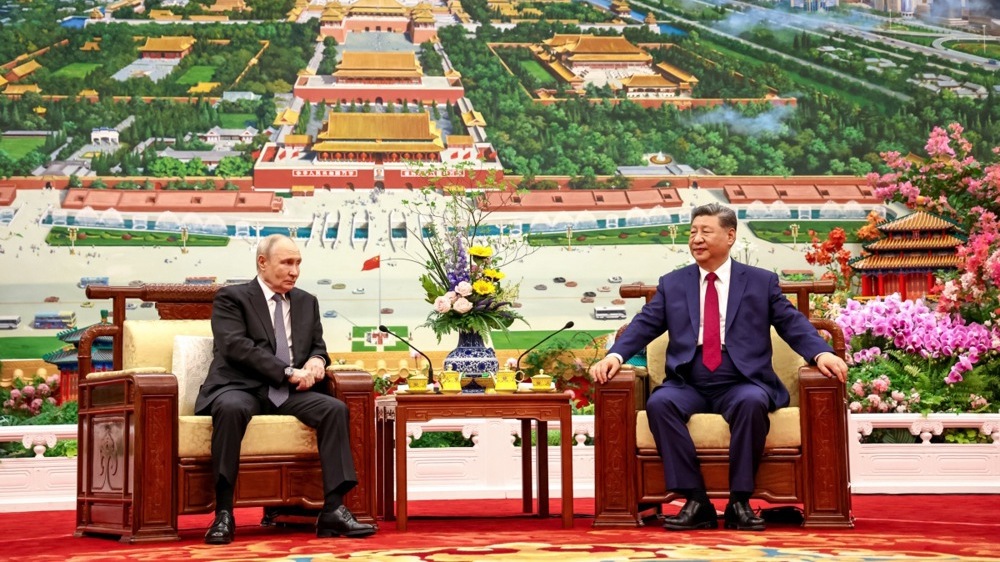
When Putin flew to Beijing in May for his 14th visit to China, he publicly announced a "breakthrough energy deal." According to The Wall Street Journal, no deal took place: among 42 signed bilateral documents, gas and oil were not mentioned even once.
The price Moscow cannot accept
The nature of the impasse is simple and harsh for the Kremlin. According to WSJ, China is willing to sign a contract for "Power of Siberia 2" only on one condition: the gas price must be at the level of Russia's domestic tariff — approximately $50 per thousand cubic meters. For comparison: China currently buys gas from Gazprom at a 39% discount compared to other clients and pays $258.8 per thousand cubic meters. The level demanded by Beijing — $50 — would not even cover the cost of extraction and transportation.
In essence, China is demanding that Russia subsidize the construction and operation of the pipeline at its own expense, in exchange receiving an unprofitable contract.
Why Russia is trapped
Gas from the Yamal field, which was supposed to flow through Power of Siberia 2, has no other buyers: the volumes are too large for any market other than China. Until 2022, this gas was partially absorbed by Europe — but that market is closed. Russia cannot build liquefaction terminals and reorient to LNG either technologically or financially under sanctions.
"Why would they bind themselves to pipeline obligations, with construction taking 6 years, and then increase their dependence on Russia, when they can get gas from any other country?"
Jörg Wuttke, partner at DGA Group in Washington, — WSJ
There is currently sufficient liquefied gas in the world. Analysts forecast peak imports of pipeline gas to China in the mid-2030s — after which demand will start declining with the growth of renewable energy. For Beijing, signing a 30-year contract with a sanctioned country actively waging war is simply unprofitable.
Monopsony as a weapon
Economists describe the situation with the term "monopsony" — a market with a single buyer. China is aware of this and acts accordingly: dictates terms, stalls, raises the stakes. Russia cut itself off from the European market and now has no leverage over its only real client. Peskov stated after the May summit that there was an "agreement on the route" — but even Reuters noted: no document on gas was signed.
- China already buys Russian gas 39% cheaper than Gazprom's other clients
- In 2025, the discount will increase: the price will fall to $223.9 per thousand cubic meters
- Each subsequent round of negotiations worsens Moscow's position — China is in no hurry
- The project has been discussed for almost 20 years — no agreement yet
Notably: in early 2025, Gazprom head Miller proposed raising Russia's domestic gas prices by 230% — essentially to bring the "domestic tariff" closer to market rates and make Chinese conditions less absurd. The Russian government did not dare do this.
If Moscow does not raise domestic gas prices or find a third buyer for Yamal volumes — Power of Siberia 2 will remain a project on paper, and Gazprom will continue to lose ground every year on the only market where it is permitted to trade.