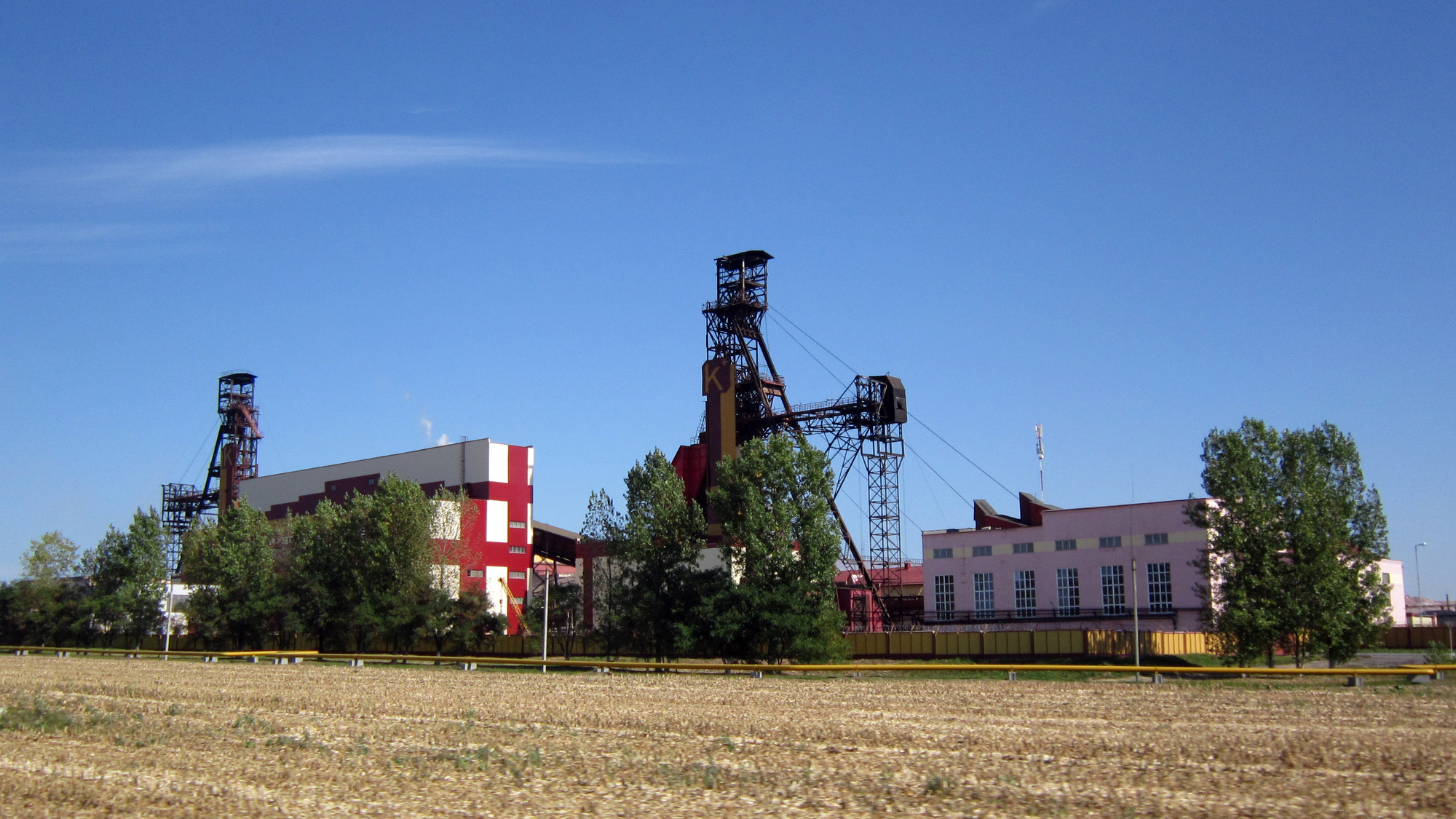
When Washington lifted sanctions on "Belaruskali" — one of the world's largest potassium fertilizer producers — in December 2025 and began pressuring Vilnius to resume transit through the Port of Klaipėda, Lithuania's transport minister Jūras Taminskus responded without diplomatic niceties.
"EU sanctions are in effect until next February. Last year, during discussions on Belarusian fertilizers, I said I was more than 100% confident that sanctions would be extended. There's no point wasting time or speculating about fertilizer transportation."
Jūras Taminskus, Lithuania's transport minister, on Žinių Radijas radio
What lies behind the transit question
Until 2022, Klaipėda processed about 12 of 48 million tons of annual cargo turnover — a quarter of which was Belarusian potash. After Lithuania terminated its contract with Belaruskali in February 2022, the country's railways lost approximately 100 million euros per year, and the state was forced to compensate for these losses, according to the Carnegie Endowment. Belarus, in turn, reoriented toward Russian ports Ust-Luga and others, but with significantly higher logistics costs.
Economist Katerina Bornukova, academic director of BEROC, warned back in early 2022: the Lithuanian blockade dealt Minsk the largest single economic blow — potential losses of foreign exchange earnings could exceed 3 billion dollars per year considering price increases at that time. This is why restoring the route through Klaipėda is critical for Lukashenko — and precisely why Washington included it in its broader bargaining with Minsk.
Pressure from both sides
According to Bloomberg and RFE/RL, the U.S. State Department sent Lithuania, Poland, and Ukraine an unofficial document proposing consideration of possible transit routes for Belarusian potash. Special Envoy John Cole personally met with Lithuania's Prime Minister Ingrida Šimonytė and Seimas deputies in March 2026 — and the fertilizer issue featured alongside questions about political prisoners and military infrastructure.
Lithuania's foreign minister Kęstutis Budris confirmed "additional activity" from the U.S., but Vilnius's position remains unchanged: EU sanctions against Belarusian potash are in effect until February 2027, and there are no legal grounds for reconsideration. Prime Minister Šimonytė added: "If we don't keep pressing — it will be bad. The U.S. may pressure, but I think we are unmovable here."
Vilnius's legal logic is straightforward: EU sanctions are binding for Lithuania, while American ones are not. Even if Washington completely lifted its restrictions, the EU ban makes transit through Lithuanian territory impossible.
Why this matters beyond the Baltics
"Belaruskali" controls over 20% of global potassium fertilizer exports. The U.S. justifies its lobbying by concerns about global food security and reducing market dependence on Russia. Critics, however, point out: after the initial price shock of 2022, the global potassium market stabilized without Belarusian supplies — confirmed by analysis from the German Economic Team. The actual effect of resuming transit would primarily be felt by Minsk in the form of returning billion-dollar foreign exchange inflows, rather than by farmers in developing countries.
If the EU extends sanctions in February 2027 — and Lithuania votes "yes" — the Klaipėda question will remain frozen, regardless of how many meetings John Cole holds. But if Washington ties the transit issue to broader security guarantees for the Baltic states, the math for Vilnius could change.