In brief — why it matters
The IAEA recorded that after the strikes on 7 February one of Ukraine’s reactor units experienced equipment problems. This is not an isolated incident: voltage fluctuations and disconnection of external lines are forcing nuclear plants to reduce output or go offline, which directly affects the stability of power supply.
IAEA’s position and recorded facts
The IAEA summary describes a series of consequences of military activity for the power system: from partial disconnections of lines to forced reductions in reactor output. Drones and a cruise missile were also observed in areas around nuclear power plants, and the crew at Khmelnytskyi NPP heard military activity and took sheltering measures.
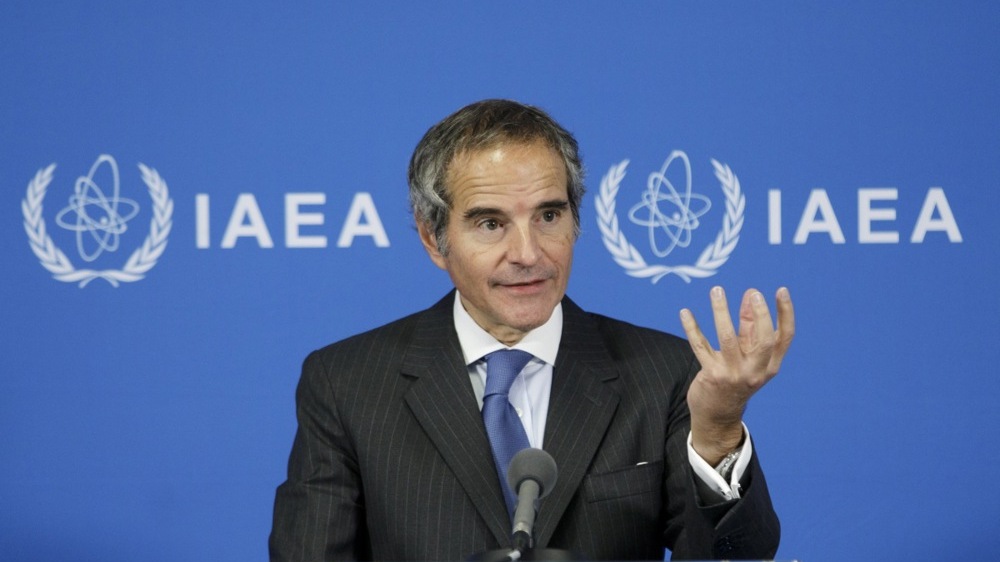
“Military activity was again directed at Ukraine’s power grid, affecting the operation of nuclear power plants (NPPs). All reactor units in Ukraine, except one, were forced to reduce output, and several external transmission lines were disconnected. One reactor unit was disconnected from the grid, while another was shut down due to equipment problems caused by power supply fluctuations.”
— International Atomic Energy Agency (IAEA)
Ukraine’s official assessment
The head of the State Nuclear Regulatory Inspectorate of Ukraine, Oleh Korikov, reported that after repeated attacks on substations more than 90% of capacity has already been restored. He also emphasized that even without direct hits, strikes cause premature wear and electrodynamic damage to equipment, forcing reactor units to operate in non-nominal modes or enter unscheduled maintenance.
“These strikes destabilize Ukraine’s power system through unregulated transient processes and fluctuations in grid parameters, which lead to electrodynamic damage and premature wear of nuclear power plant equipment. Nuclear power plants are forced to reduce their output or even disconnect from the grid. For example, recently one reactor unit underwent unscheduled maintenance for about five days because of this.”
— Oleh Korikov, Head of the State Nuclear Regulatory Inspectorate of Ukraine
What this means for citizens and the economy
President Volodymyr Zelenskyy reported that the electricity deficit at peak hours reached 5–6 GW — roughly the capacity of two large nuclear power plants. For each consumer this means an increased risk of planned and unplanned outages, and for businesses — potential losses and the need for additional spending on reserves and generation.
Engineers and analysts point to a cumulative effect: isolated strikes and fluctuations are less immediately catastrophic on their own, but repeated shocks accelerate wear of critical equipment and increase downtime for repairs — and thus raise long-term risks for the power system.
Conclusion — what next?
Technically, the reactor units are operating and restoring over 90% is a good short-term outcome. However, the key question is how to minimize cumulative risks: protecting substations, modernizing systems that compensate for fluctuations, securing spare parts, and obtaining international assistance to supply sensitive equipment. While partners provide technical and diplomatic support, Ukraine needs both rapid operational solutions at the network operator level and strategic investments to reduce infrastructure vulnerability.
Question for partners and society: will there be enough resources and coordination to prevent operational losses from turning into a systemic crisis this winter?