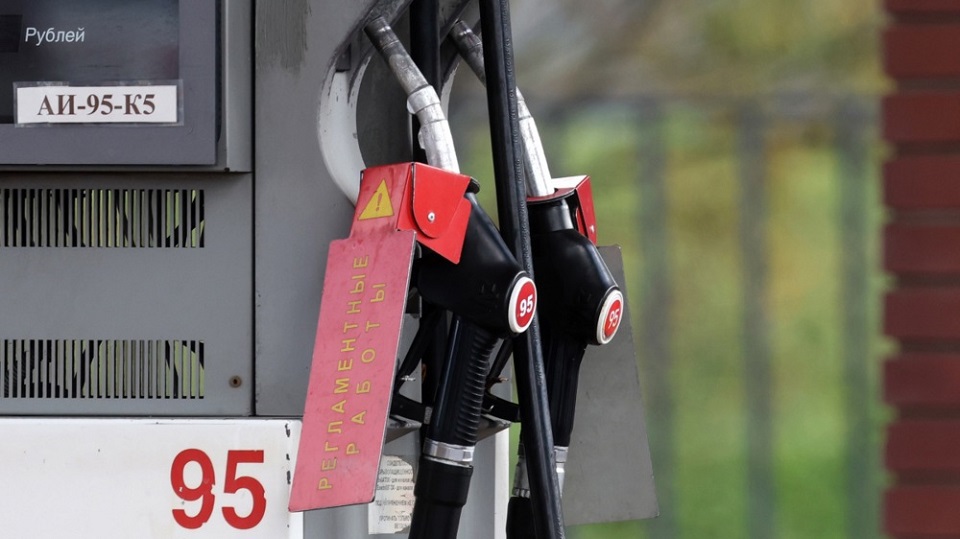
At Tatneft gas stations in Moscow, a limit has been in effect since June 12: no more than 20 liters of AI-92 and AI-95 gasoline and no more than 40 liters of diesel per refueling. Rosneft has limited total fuel supply to 90 liters per tank or container, Lukoil — to 100 liters per receipt. Similar restrictions have also appeared in St. Petersburg.
Fuel limits are not a Moscow exception. Fuel shortages have affected more than 20 regions of Russia: the most acute situation is in annexed Crimea and the Far East, where some gas stations have limits of only 20–30 liters per vehicle. The fact that the crisis is now visible in Moscow — a city that the Kremlin has traditionally kept in a "showcase of prosperity" — signals a qualitatively new level of the problem.
From periphery to capital: how did this become possible
The official explanation from authorities is "scheduled repairs and panic demand." The real picture is different. Ukrainian drones have struck at least 16 of Russia's 38 oil refineries, causing diesel exports to plummet to their lowest level since 2020.
"The attacks are massive, coordinated, and repeated; they occur in waves, and the oil refineries simply cannot manage to repair the damage caused by the previous attack before the next one occurs".
— expert cited by Focus UA
According to a report from Ukraine's Foreign Intelligence Service, without at least six months of repairs in peaceful conditions, Russia could depend on fuel imports at levels up to 60% by the end of 2025.
Structural vulnerability invisible from Smolenskaya Square
Years of underfunding, technological isolation, and poor management decisions have transformed what was once a profitable industry into a system unable to withstand wartime pressure. Sanctions have made it impossible to purchase Western equipment for repairs — "repairs could take months," admitted economist Vladislav Inozemtsev in a comment to The Moscow Times, noting that sanctions prevent Russia from obtaining necessary spare parts from the West.
Independent gas stations — those not part of vertically integrated holdings — are particularly vulnerable. According to Reuters sources, they cannot build up reserves due to high interest rates — a consequence of the Central Bank's anti-inflation policy, which has added additional pressure on the retail fuel market.
Despite official statements about "temporary difficulties," the situation indicates serious systemic problems in Russia's energy sector: the domestic market, which the Kremlin considered protected, has proven to be vulnerable.
Gas station prices as an indicator
In Moscow, gasoline prices have approached 67 rubles per liter and have risen by 3–4 rubles since the beginning of 2025 — a trend that outpaces general inflation. Prices for A-95 have reached 82,300 rubles per ton — 54% higher than at the beginning of the year.
- Tatneft (Moscow): up to 20 liters of gasoline, up to 40 liters of diesel
- Rosneft (Moscow): up to 90 liters per tank or container
- Lukoil (Moscow): up to 100 liters per receipt
- Novomoskovsk region: up to 60 liters of gasoline, up to 100 liters of diesel — restrictions in effect until November 30
Moscow — a city with the highest concentration of automobiles in Russia and a symbolic barometer of the regime's internal stability. If restrictions, introduced "temporarily" from June 12, are not lifted by autumn, the question will no longer be about fuel logistics — but whether the Kremlin can maintain its narrative of "normal life" against the backdrop of continued war.