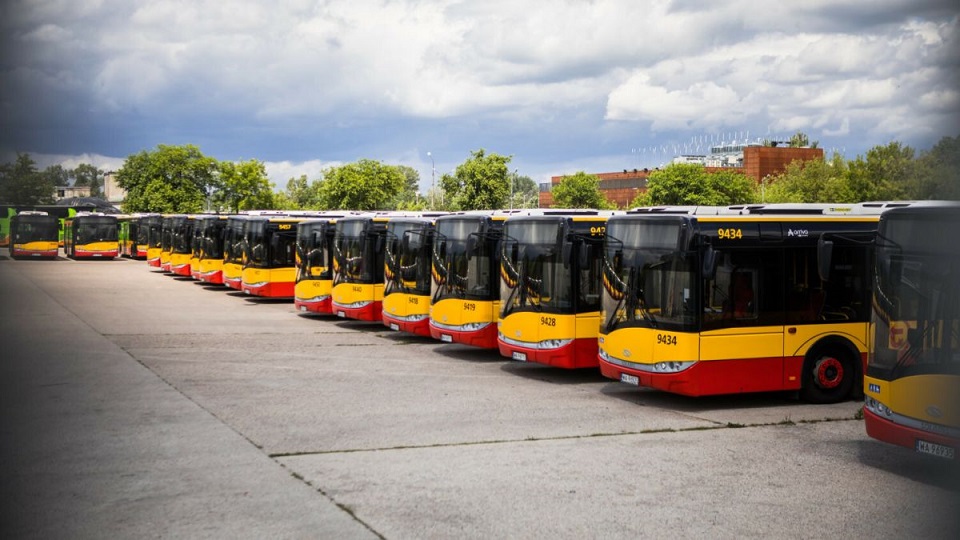
In May 2025, Vinnytsia turned to its sister city Kielce with a simple request: 15 decommissioned buses that the Polish city was preparing to send to scrap metal or disassemble for spare parts could drive Ukrainian streets instead of rotting in a parking lot. Kielce's city council agreed. Then the deputies stopped it all.
How a humanitarian issue became a tool
The buses were 17 to 20 years old. Their market value was approximately 30,000 zlotys per unit, and in fact the transport was supposed to be scrapped after Kielce renewed its fleet with European Union funds. The city's mayor Agata Wojda supported the transfer. But deputies from the Law and Justice party and other right-wing political players turned the logistical decision into a public scandal: they demanded that Vinnytsia rename Stepan Bandera Street as a gesture of respect for the victims of the Volhynia tragedy — otherwise the buses would not go.
A vote on the condition failed, but the uproar did its job. Vinnytsia's Mayor Serhiy Morgunov withdrew the official request so that it would not become, in his words, "a tool of political disputes". The buses remained in Poland.
The response nobody planned
The "Sikorki na Ukrainie" Foundation — a volunteer initiative working since the beginning of the full-scale invasion — announced a crowdfund on the Zrzutka.pl platform. The goal: 500,000 zlotys to purchase those same buses from Kielce, no longer as a gift from the city, but as a commercial transaction.
"Since the politicians failed, we're getting to work. When people in suits profit from political gains and feed on historical grievances, we simply do our job."
— from the description of the "Sikorki na Ukrainie" foundation campaign on Zrzutka.pl
Within four days, more than 6,600 people responded. The amount crossed the 534,000 zloty mark — exceeding the target. Organizers promised: if more comes in, they will buy more buses. If Kielce refuses to sell — they will look for transport directly in Ukraine, and direct the rest to protecting civilians from air attacks.
What this means for both countries
The situation exposed a characteristic rift: between part of the Polish political elite that uses historical claims as a current pressure tool, and Polish civil society that acts independently of these claims. Notably, the collection was not accompanied by any conditions regarding street names.
- Buses: 15 units, age 17–20 years, prepared for disposal
- Collection goal: 500,000 zlotys (~6.1 million UAH)
- Result in 4 days: over 534,000 zlotys, more than 6,600 donors
- Plan B: if Kielce refuses to sell — search for transport in Ukraine
The Volhynia issue in Polish-Ukrainian relations will not go away — but this episode shows that its use in specific humanitarian matters encounters practical resistance from below. An open question remains — whether Kielce's city council will agree to sell the buses to the foundation after the official transfer failed precisely because of that same council's decision.







