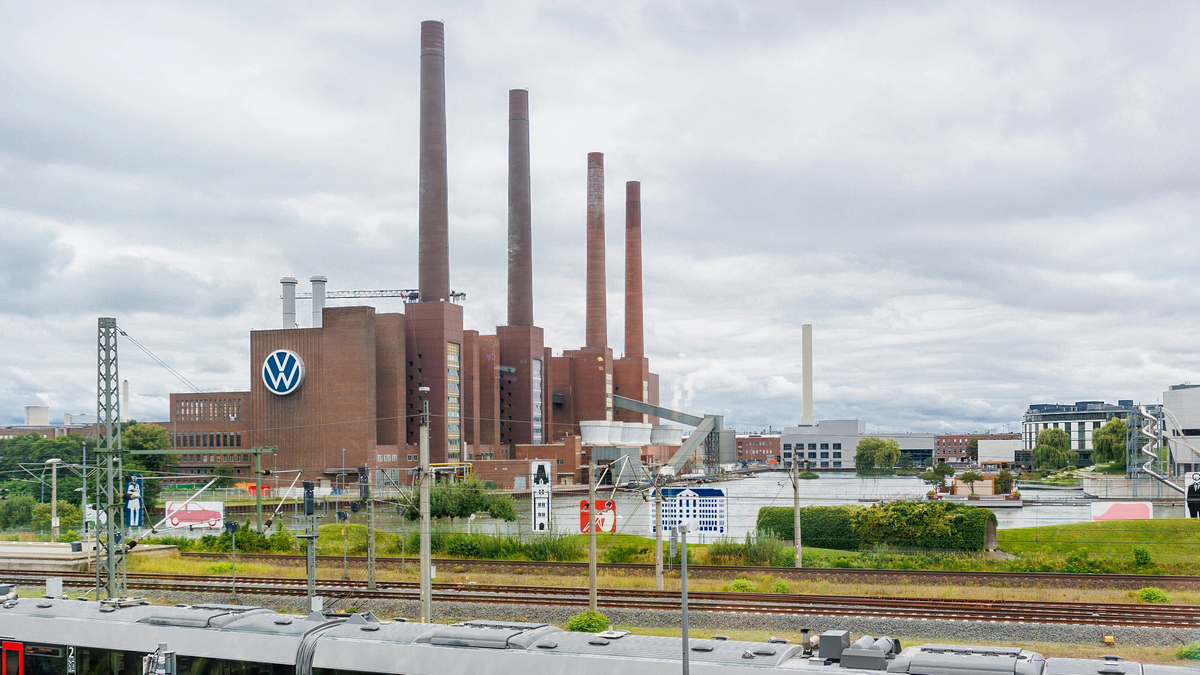
Every month, approximately 15,000 jobs disappear in German industry. According to auditing firm EY, the automotive sector alone—once the backbone of the economy—lost 19,000 positions in 2024, with employment falling to its lowest level since 2013. Volkswagen plans to cut 35,000 jobs by 2030. Ford closed its Saarlouis plant in November 2025. In the first half of 2025, the sector shed another 51,500 people.
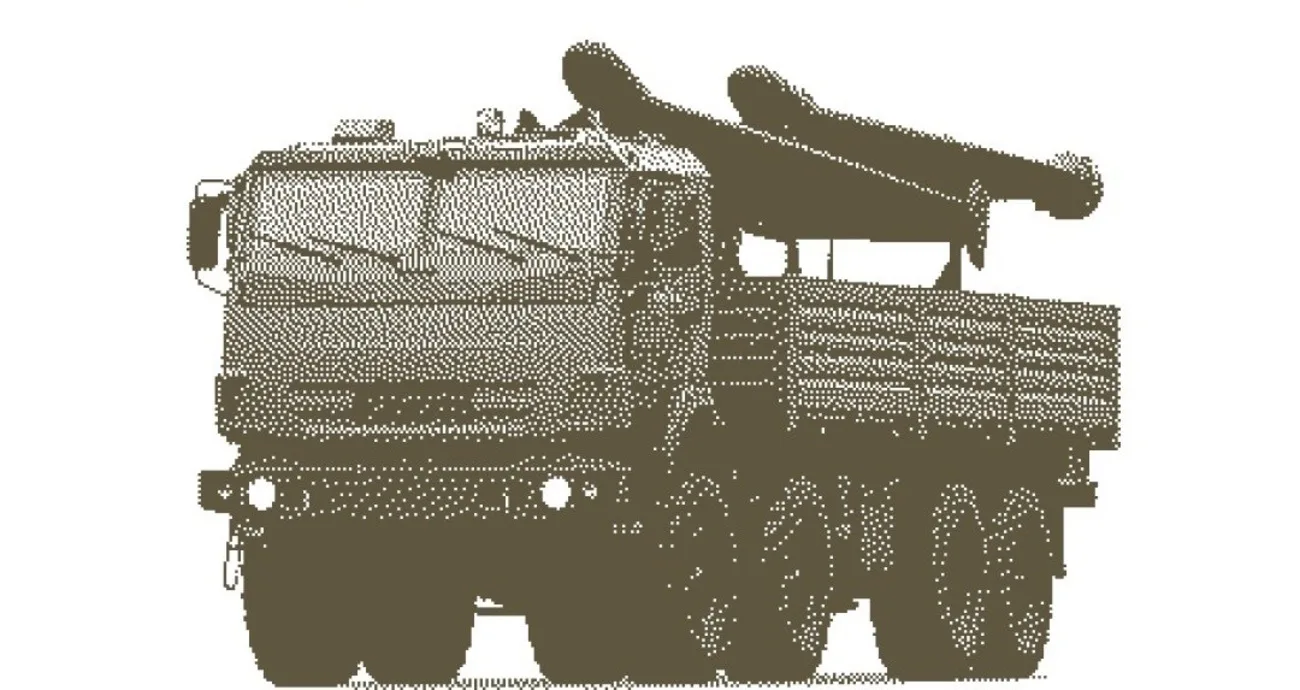
Against this backdrop, Chancellor Friedrich Merz's government is making a bet that would have seemed fantastical just a few years ago: redirecting Europe's largest economy toward weapons production. According to the Wall Street Journal, Germany is effectively transforming into an "arms factory"—and investors are already responding.
Venture capital flows where government contracts exist
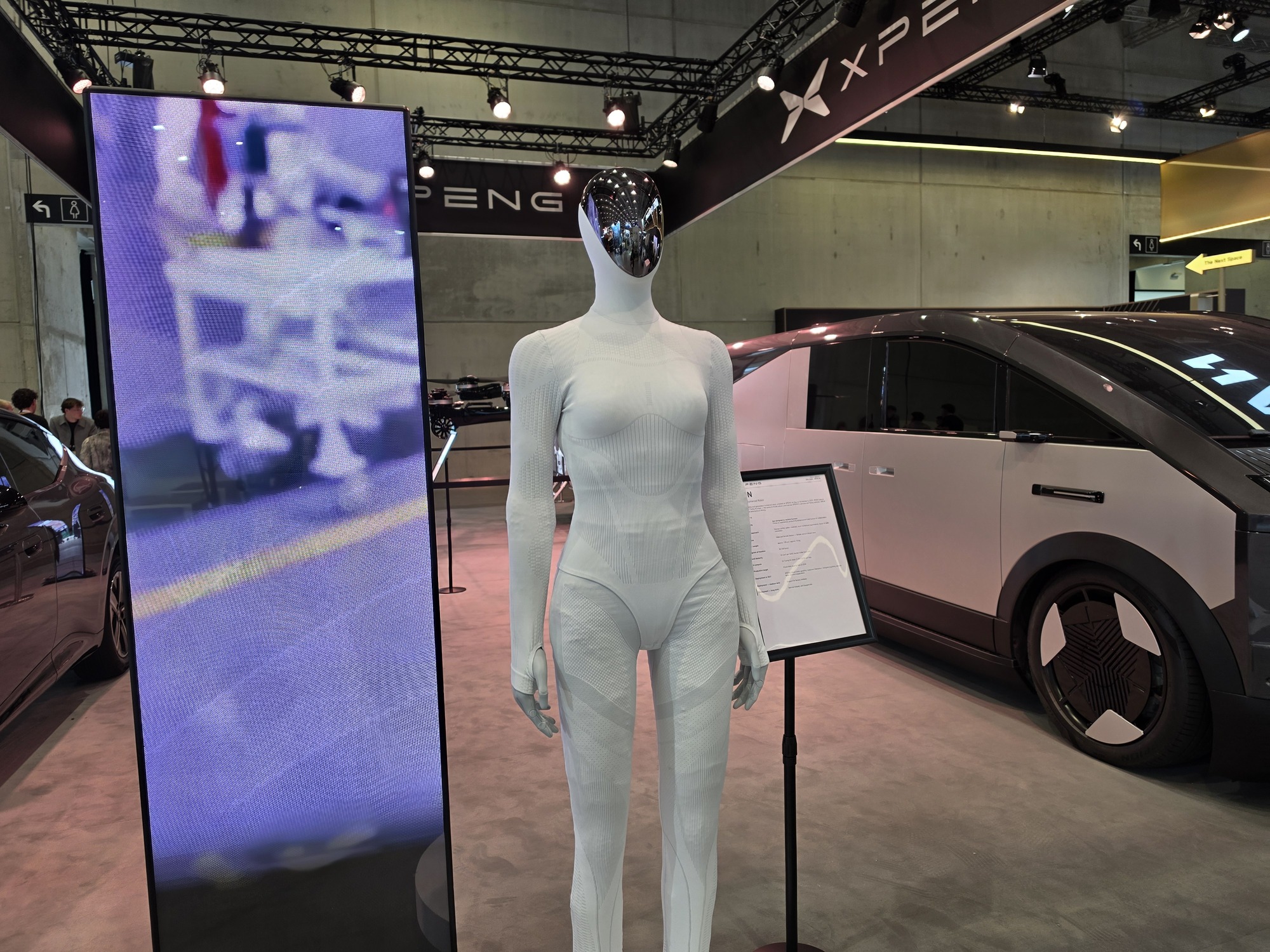
Nearly 90% of European venture capital in defense technology has flowed to German companies. Munich-based startup Helsing raised €600 million in a Series D round. Quantum Systems closed a round worth €180 million. According to GTAI, defense startups collectively raised $1.6 billion in 2025—55% more than a year earlier.
Industry flagship Rheinmetall increased revenue by 29% in 2025 and announced plans to grow fivefold by 2030—to €50 billion. The company's order portfolio has already reached €64 billion. By 2029, according to government forecasts, Germany's defense spending will reach €153 billion annually.
What this means for ordinary workers
The defense industry already provides between 200,000 and 250,000 jobs, including related sectors, and generates approximately €47 billion in annual revenue. To someone who just lost a job on the VW assembly line in Wolfsburg, this looks like an opportunity—if they're willing to retrain as an armored vehicle manufacturer or drone developer. The problem: the transition doesn't happen automatically, and the regions where auto plants are concentrated don't overlap with defense company locations.
A skeptic's voice
"Current fiscal policy is socially unjust": by 2029, spending on social protection, debt service, and defense combined could consume all of Germany's state revenue.
Veronika Grimm, member of Germany's Council of Economic Experts (the "Five Wise Men")
Grimm is not alone in her warnings. Two consecutive years of negative growth (2023–2024) have already weakened the fiscal cushion. The constitutional "debt brake," which limits budget deficits to 0.35%, has been formally preserved, but the Bundeswehr's special €100 billion fund was placed outside its framework back in 2022—a precedent that raises questions about the limits of such "creative accounting."
Structure versus cyclical demand
The defense boom is primarily government procurement, not market demand. The automotive crisis was structural: Chinese electric cars systematically displaced BMW and Mercedes from markets where they had dominated for decades. Defense growth depends on political decisions—about the duration of war in Ukraine, about the level of threat Europe feels, about whether future governments will maintain the current spending priority.
- If peace comes to Ukraine—weapon demand will plummet, and new production capacity will sit idle.
- If stagnation continues—budget deficits will squeeze social programs, and public support for rearmament will begin to erode.
- If automotive sector conversion doesn't happen—regions hit by VW and Ford cuts won't gain new jobs, even if Rheinmetall keeps breaking records.
The real question isn't whether Germany will become an "arms factory." It already is. The question is whether this model can hold up if geopolitical tensions ease before the auto industry finds a new identity—and who will pay for the transition if the answer is no.