In brief — why this matters
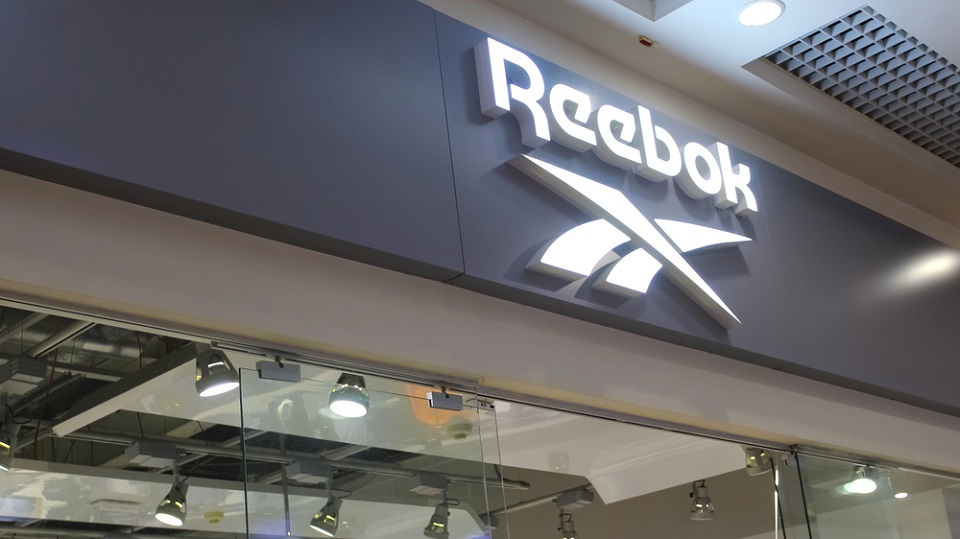
Reebok is ceasing operations in Ukraine: the last two stores in Kyiv will close in spring 2026, and online sales will end after a clearance of remaining stock. For consumers this means short‑term discounts, and for the market — an opening of a niche that local and regional players may fill.
What happened
According to Forbes.ua, Reebok stores in the SkyMall and Retroville shopping centers will cease operations in spring 2026: SkyMall — until May 8, 2026, Retroville — until the end of April, with the exact date depending on the pace of the clearance sales. The online store will also stop operating after warehouse stocks are sold off; no new shipments are planned.
Why this is happening
Since March 2022, the development of Reebok in Ukraine has been overseen by the Turkish holding FLO Retailing under a license from the U.S. Authentic Brands Group, which bought the brand from Adidas. According to the outlet, Turkish retailers are gradually winding down some formats due to the difficult economic situation in Turkey — which has affected Reebok’s presence in Ukraine. FLO is also closing other formats, including InStreet.
"Turkish retailers are gradually winding down business due to the difficult economic situation in Turkey, and this has affected the fate of Reebok in Ukraine"
— A Forbes.ua interlocutor, participant in the negotiations
Consequences — for consumers and market players
In the short term Ukrainians can expect clearance sales and promotions during the closures. The medium and longer horizons are more important for business: the outlet reports that several Ukrainian companies are negotiating possible official distribution — "Marathon", Intersport and Sport City. The likely format for the brand’s return is not a mono‑brand chain but sales through multi‑brand stores, which would change the model of product availability in Ukraine.
"The fee for transferring the rights may range from $500,000 to $2 million"
— Dmytro Slobodyanyuk, managing partner at Reliance
That means market entry will require capital and a clear business model. At the same time, the trend of international chains exiting — for example, recent reports about Zara closing in Dnipro and a possible Inditex withdrawal from Odesa and Kharkiv regions — creates space for growth for local players and multi‑brand platforms.
What’s next — scenarios for Ukraine
The most likely scenarios: 1) distribution rights are bought by Ukrainian or regional chains and the brand returns via multi‑brand distribution; 2) the brand remains off the market, but the segment is filled by a broader assortment from other international or local brands; 3) in the short term the role of second‑hand and online marketplaces increases. For the consumer it’s a question of availability and price; for the market — a question of investment and the speed of negotiations.
Conclusion
The closure of Reebok in Ukraine is not just about one brand, but about a change in the retail structure amid regional instability and a redistribution of niches. Ukrainian chains and distributors have a real chance to consolidate positions, but that will require capital and quick decisions. Whether they will be ready is the question that will determine what will be on the shelves next season.







