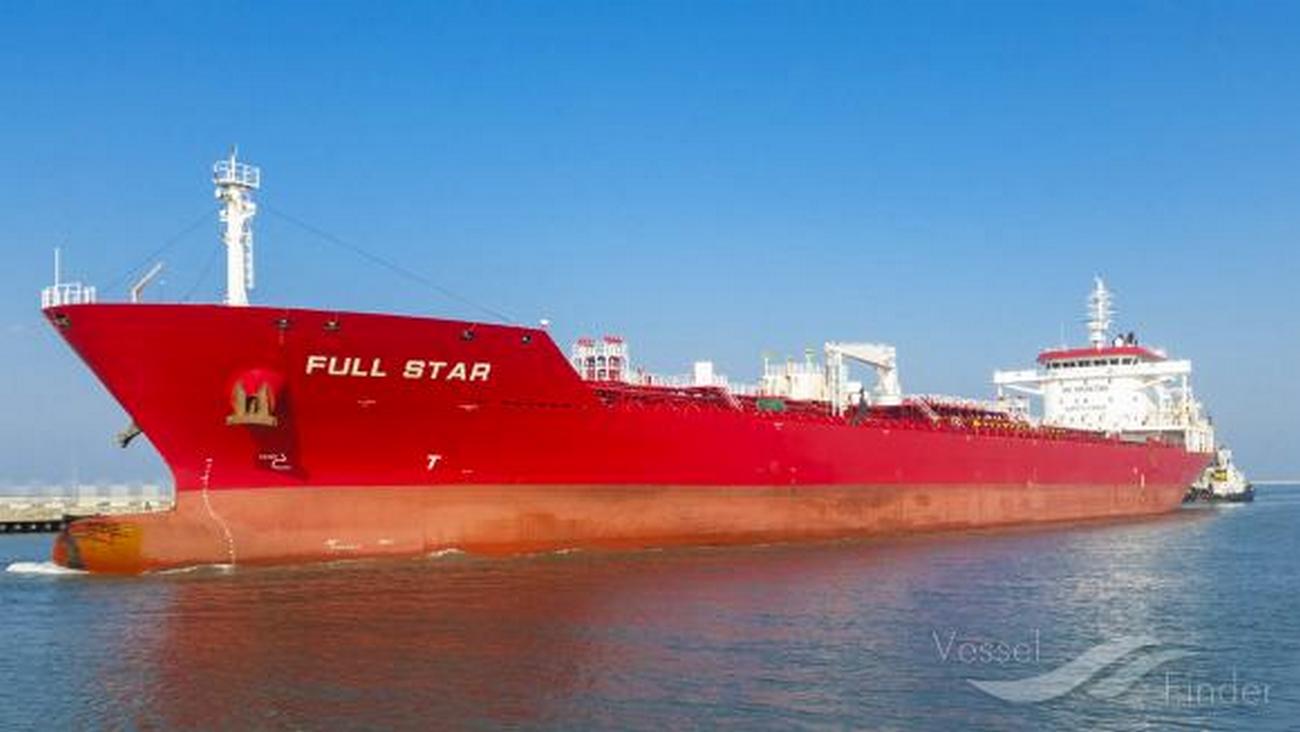
At first, it looked like a retreat: Rich Starry turned around 20 minutes after the blockade began and went back. But the next day, the tanker made another attempt — and passed through. Without delay, without intervention from the American fleet.
What is this vessel and why does it matter
Rich Starry is a tanker with a deadweight of 36,000 tons, previously known as Full Star. It belongs to Full Star Shipping, which shares contact details with Shanghai Xuanrun Shipping Company — a company under US sanctions since March 2023 for helping Iran circumvent energy restrictions. In the AIS signal's destination field, the vessel indicated: "Chinese owners and crew."
According to Kpler and MarineTraffic, on board are 250,000 barrels of methanol, loaded at the Emirati port of Khamriah, not at Iranian ports. This is likely what determined the outcome.
Where the real line of the blockade lies
Trump initially announced a complete blockade of the strait. But CENTCOM quickly narrowed the wording:
"Central Command forces will not impede freedom of navigation for vessels transiting the Strait of Hormuz to and from ports that are not Iranian."
US Central Command
The blockade took effect after US-Iran peace talks in Islamabad on Saturday ended without results. Over 40 days of war, Iran earned approximately $9 billion from oil exports; the blockade is estimated to cost Tehran about $150 million daily.
Reaction and side effects
Brent crude oil prices rose 7% — to around $102 per barrel, compared to about $70 before the war began. The IEA, World Bank, and IMF warned that even after shipping resumes, fuel and fertilizer prices could remain high for a long time due to infrastructure damage.
The British government refused to support the blockade, stating it supports freedom of navigation and opening the strait as "urgently necessary for the global economy." Macron called for a "peaceful multinational mission" to restore shipping.
- What the blockade stops: vessels heading to or from Iranian ports
- What it doesn't stop: sanctioned vessels carrying cargo from non-Iranian ports
- Dark transits: shadow fleet vessels that disable AIS remain beyond effective control
Precedent, not exception
Rich Starry is not an isolated case. Reuters reports that the same day, another sanctioned tanker entered the strait. Rich Starry's passage shows not a failure of the blockade, but its architectural limitation: it is targeted, but easily circumvented through transshipment in neutral ports.
If Beijing systematically redirects Iranian oil loading through third ports — such as Khamriah — before the US closes this loophole, will enough of the blockade remain to force Tehran back to the negotiating table?







