If we remove the war from the equation, the IMF would have raised its forecast for global growth in 2026, not lowered it. Instead of the expected 3.4%, the world economy, according to the fund's new assessment, will grow by only 3.1%. The difference — 0.3 percentage points — is the cost of one regional conflict to the entire planet.
What happened in the energy market
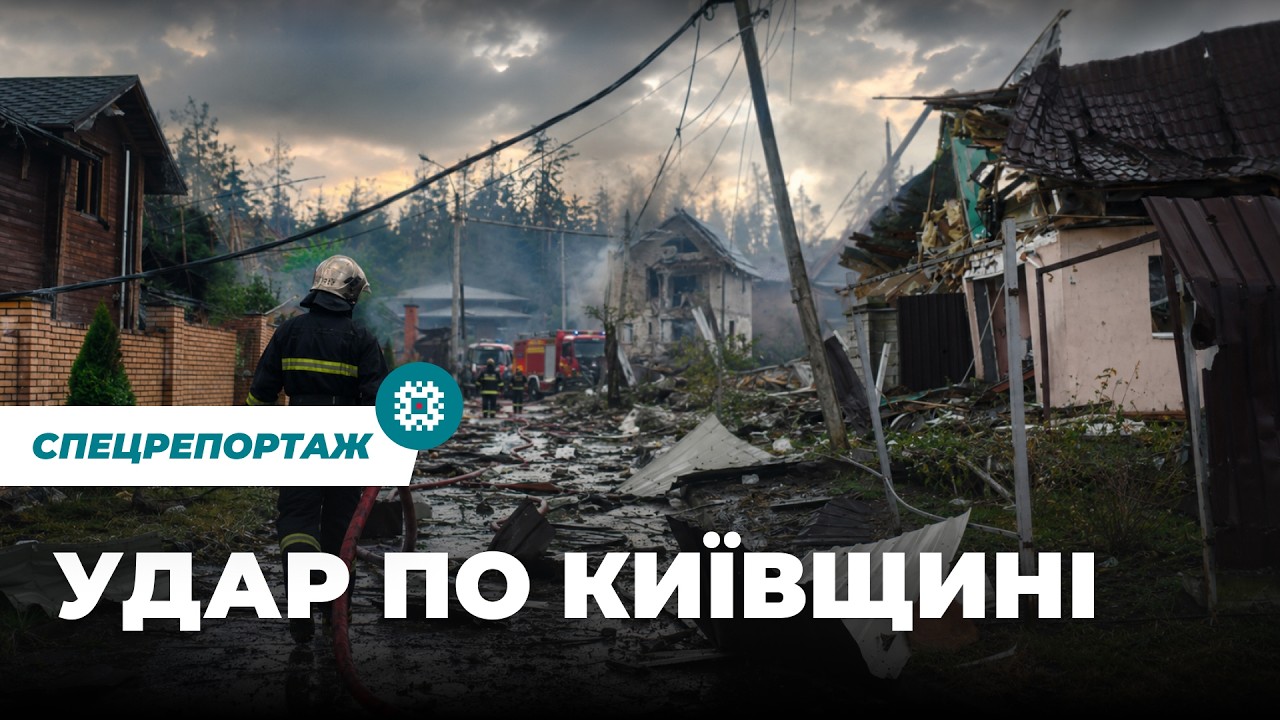
The armed conflict between the USA, Israel and Iran, which began in late February, has effectively blocked the Strait of Hormuz — through which approximately 20% of world oil exports pass. The conflict disrupted global supply chains and led to rising oil prices after Iran nearly blocked the Strait of Hormuz — an important energy delivery route. Approximately 13% of the oil market supply was lost.
The conflict initially doubled gas prices — which was a direct blow to Europe's import-dependent economies.
«The closure of the Strait of Hormuz and serious damage to critical infrastructure in the region, which is central to global hydrocarbon supplies, increase the risk of a massive energy crisis if hostilities continue»
Pierre-Olivier Gourinchas, Chief Economist of the IMF, in the fund's blog
Numbers: who loses the most
The IMF now expects the United Kingdom's economy to grow by 0.8% in 2026 — versus the previous forecast of 1.3%. This is the largest decline among G7 countries. Britain is now projected to grow at the same rate as Germany. Per capita, Britain ranks at the bottom of the G7.
The IMF links this decline to Britain's vulnerability to the surge in natural gas prices following the start of the US-Israeli war with Iran. For Germany, whose industry has been suffering from expensive energy for several years after abandoning Russian gas, the new shock means another year without recovery.
Meanwhile, the US is projected to grow by 2.3% — the highest rate among developed economies, partly due to its status as a net energy exporter.
Inflation is returning
The IMF has sharply raised its global inflation forecast: inflation is expected to rise to 4.4% — 0.6 percentage points higher than estimated in January.
Gourinchas explained the mechanism in three steps: first — a direct shock from rising energy prices, which makes everything more expensive — from fertilizers to transportation; second — secondary effects, when workers and companies try to offset losses through higher wages and prices; finally — financial markets, where a «classic risk-off episode» can devalue assets and intensify capital outflows.
In an adverse scenario — with a prolonged and larger increase in energy prices — global growth could fall to 2.5% in 2026, and inflation could reach 5.4%.
«Even in the best case»
IMF Director Kristalina Georgieva stated that the negative consequences of the war with Iran turned out to be so severe that they outweighed any positive gains from the artificial intelligence investment boom.
«Even in the best case, there will be no clean and neat return to the status quo»
Kristalina Georgieva, Managing Director of the IMF
Even an immediate end to the war will not prevent a deterioration in economic stability. The IMF forecasts a sharp increase in the need for emergency financial assistance from affected countries, which was initially estimated at 20–50 billion dollars.
Gourinchas also warned British Finance Minister Rachel Reeves about narrow room for maneuver: «The market is very sensitive to fiscal news in the United Kingdom» — and any large-scale support for business due to expensive energy may face a reaction in the government debt market.
If the Strait of Hormuz remains effectively blocked for several more months — will the central banks of Britain and the Eurozone be able to cut rates quickly enough to ease recessionary pressure without overheating inflation, which is already accelerating?