Briefly
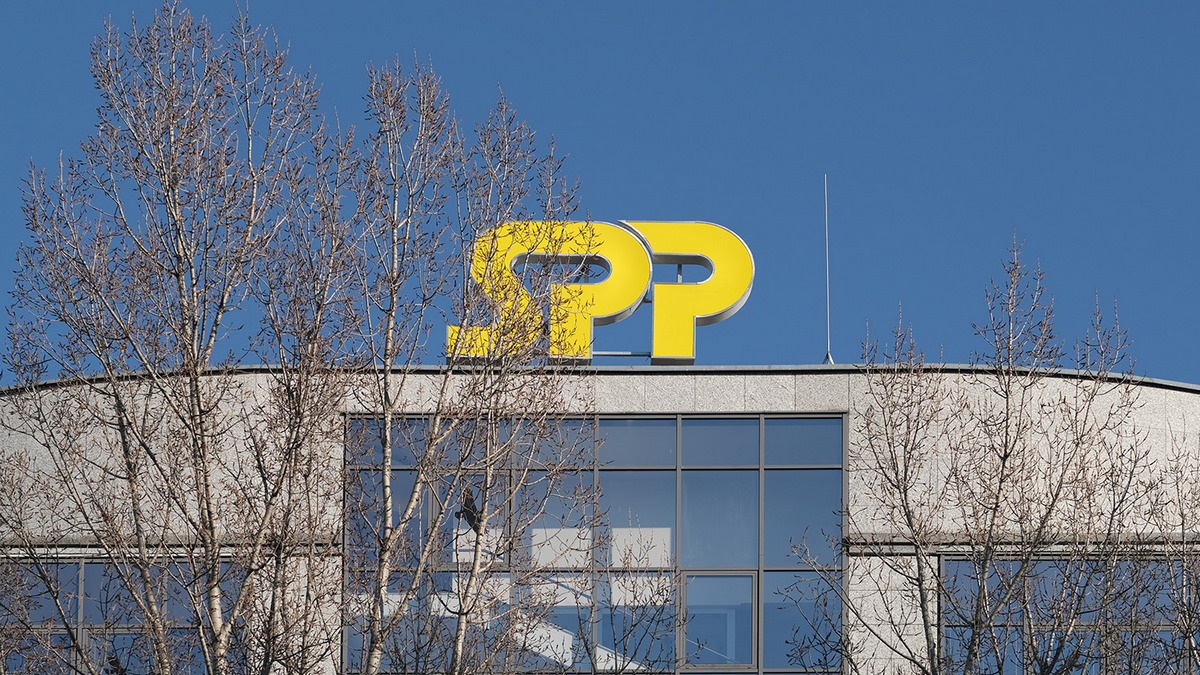
Slovak gas company SPP is negotiating with Gazprom to increase imports for 2026–2027, Reuters reports, citing sources. At the same time the company has received about 20 offers from non‑Russian LNG suppliers for after 2027.
What's happening
According to Reuters sources, Slovakia is seeking to hedge until the phased ban on imports of Russian gas approved by the EU Council takes effect (a full ban on LNG — from the start of 2027; pipeline gas — in autumn 2027). Because transit via Ukraine stopped, supplies of Russian gas to Slovakia in 2025 were reduced to about a third of needs, whereas previously they provided the bulk of imports (~3 billion cubic meters per year).
"Slovak gas company SPP has begun negotiations with Gazprom to increase imports of Russian gas in 2026–2027"
— Reuters, agency sources
Why this matters for Ukraine
The neighboring country's decision to seek temporary supplies from Russia has several practical implications. First, it signals that some European markets still lack alternative transmission capacity — the route through Turkey is constrained. Second, any buildup of contracts with Russia creates political risks for European unity in energy policy; the EU allows only "necessary amendments" to existing agreements, not their expansion.
Market and long-term outlook
SPP is at the same time considering routes for non‑Russian liquefied gas via Poland, Germany and Italy — and already has about 20 offers. This indicates that LNG suppliers are ready to establish a foothold in the Central European market after 2027.
"Under the central forecast, Russia's share of global gas trade, which was nearly 25% in 2021, could fall to around 10% by 2035"
— International Energy Agency (IEA)
The IEA predicts a substantial reduction in Russia's role in the gas market and a corresponding drop in export revenues over the next decade. This logically correlates with investments in LNG infrastructure in Europe and diversification of supplies.
What’s next and the choices for the EU and Ukraine
Short‑term agreements between Slovakia and Gazprom may be a tactical move to secure winter supplies during the transition. But the long‑term solution is increasing capacity for importing non‑Russian LNG and integrating European gas markets. For Ukraine, it is important that European energy diversification happens quickly: this reduces dependence on Russia and weakens its economic leverage.
Summary: SPP's decision reflects the realities of energy security: while infrastructure and contracts are not yet fully adapted to the new rules, countries are taking pragmatic steps. The key question is whether these temporary measures will turn into a long‑term revival of dependence, or will simply serve as a transition to broader diversification and resilience of Europe's energy system.
Next it's up to politicians and investors: can infrastructure construction be accelerated and cross‑border coordination strengthened to finally cut off Russia's economic levers in energy?







