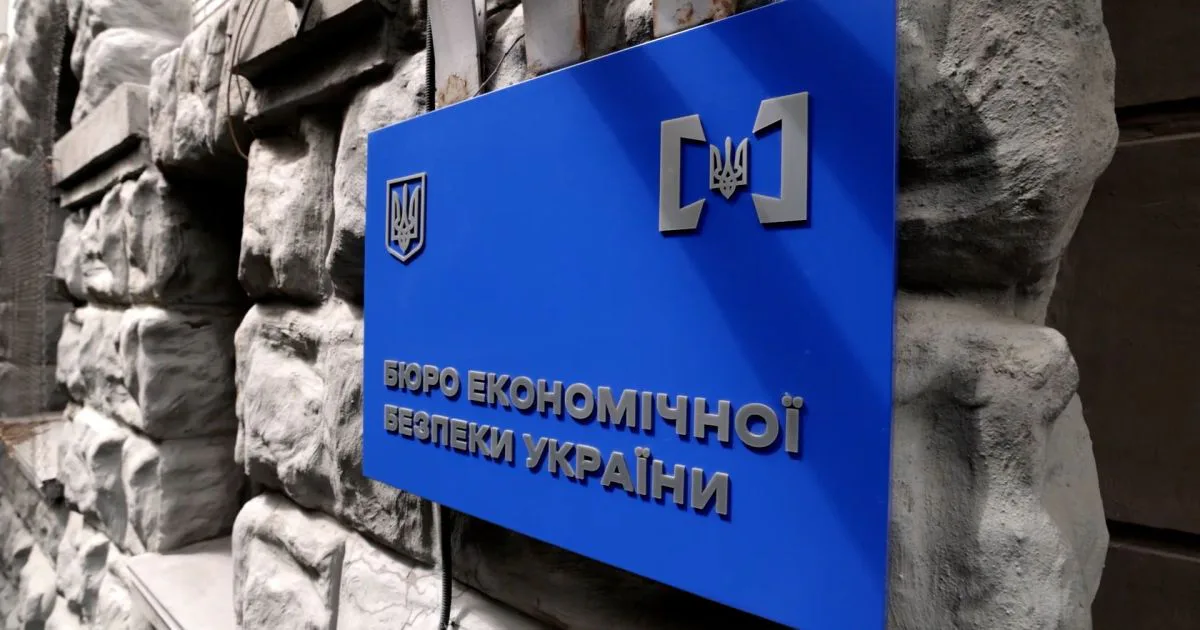
A detective from Kyiv region was demanding $15,000 to avoid bringing a person to criminal responsibility in a case involving the sale of counterfeit money. An analyst from the same agency was simultaneously receiving bribes for "influence" over the issuance of a fuel storage license. The DBR, jointly with the SBU, detained both. However, the scandal raised a question not about the two detainees — but about all cases investigated by them and their colleagues.
Audit exists. But audit of cases — does not
In the Verkhovna Rada, following the revelations, calls were made for a large-scale audit of all criminal proceedings of the BEB — to verify whether cases were used as a tool to pressure businesses. MP Vatras directly stated that "society must receive an answer about how widespread such a practice could have been."
However, lawyer Oleh Shram explained in a comment to UNN a fundamental collision: the law provides for an audit of the BEB's activities as an institution, but this mechanism does not cover the analysis of specific criminal proceedings and cannot provide for interference in the procedural decisions of investigators or prosecutors.
"What's next — audit of criminal proceedings, verification of the legality of their initiation — this is all within the authority of the prosecutor's office"
MP Vatras
What can realistically happen
According to Shram, there are specific legal instruments that can be used right now:
- Procedural supervisors in proceedings and heads of pre-trial investigation bodies have the right to review certain categories of cases.
- The General Prosecutor's Office, which exercises procedural supervision in high-profile BEB cases (including cases of the detainees), can initiate a systematic review.
- Complaints from entrepreneurs through investigating judges — an individual, but actually working path for those who believe their case is unfounded.
The paradox is that the prosecutor's office — the body that should verify the legality of BEB cases — is simultaneously the procedural supervisor in those same cases. The independence of such verification from the start raises doubts.
A scheme visible in details
What the DBR exposed is not random abuse, but a well-developed logic. The detective used an open proceeding as a lever of pressure: there's a case — there are grounds to demand. The analyst acted through connections with tax authorities, where he previously worked. Both schemes implied that criminal proceedings — not a goal, but a resource for personal enrichment.
This very fact makes the demand for an audit not populism, but a logical consequence: if cases were opened not for investigation, but for pressure — their number and composition are a direct indicator of the scale of the problem.
If the Office of the General Prosecutor, which already exercises procedural supervision in the cases of the detainees, expands verification to all agency proceedings — it will become clear whether we are talking about two corrupt officials or a systemic practice. Without this step, any statements about "cleansing the BEB" will remain a declaration.







