On July 20, Donald Trump signed three presidential proclamations based on Section 338 of the Tariff Act of 1930 — a provision that has not been used in the White House for decades. The new 50-percent tariffs exclude energy carriers, potash, fish, and critical minerals, but extend to goods that were previously protected from import duties under the USMCA agreement.
What actually happened and why now
Formally, the pretext is Canada's "discriminatory" trade behavior. But if you unpack the logic, the picture is more complex. The administration argues that Canada is one of the few countries, apart from China, that has responded with countermeasures to previous American tariffs, and must be held accountable.
Trump in his proclamations claims that Canada discriminates against American automobiles, alcohol, and cheese compared to other countries — but his argument is largely based on Canada's own corresponding measures, which were introduced after the US first imposed tariffs, citing the fentanyl crisis.
"Canada, unlike other partners and allies, continues to respond to U.S. efforts to balance trade. In particular, Canada has removed American alcohol from shelves, provided better market access for dairy products from the EU, and restricted imports of American automobiles."
— U.S. Trade Representative Jamieson Greer
In other words, this is about a spiral of mutual blows, where each side justifies its action by the previous action of the other. The three proclamations cover different groups of Canadian imports — from wine to hockey sticks and cement.
The mechanism Congress wanted to block
Several Democratic lawmakers last year proposed repealing Section 338, arguing that Trump could use it to destabilize the economy. They did not repeal it — and here it is in action.
USMCA was not renewed by the American side, which launched new negotiations that could last until 2036. Meanwhile, analysts at Oxford Economics had previously warned that optimistic expectations for the USMCA review are becoming increasingly unrealistic.
Ottawa's reaction: open doors, clenched teeth
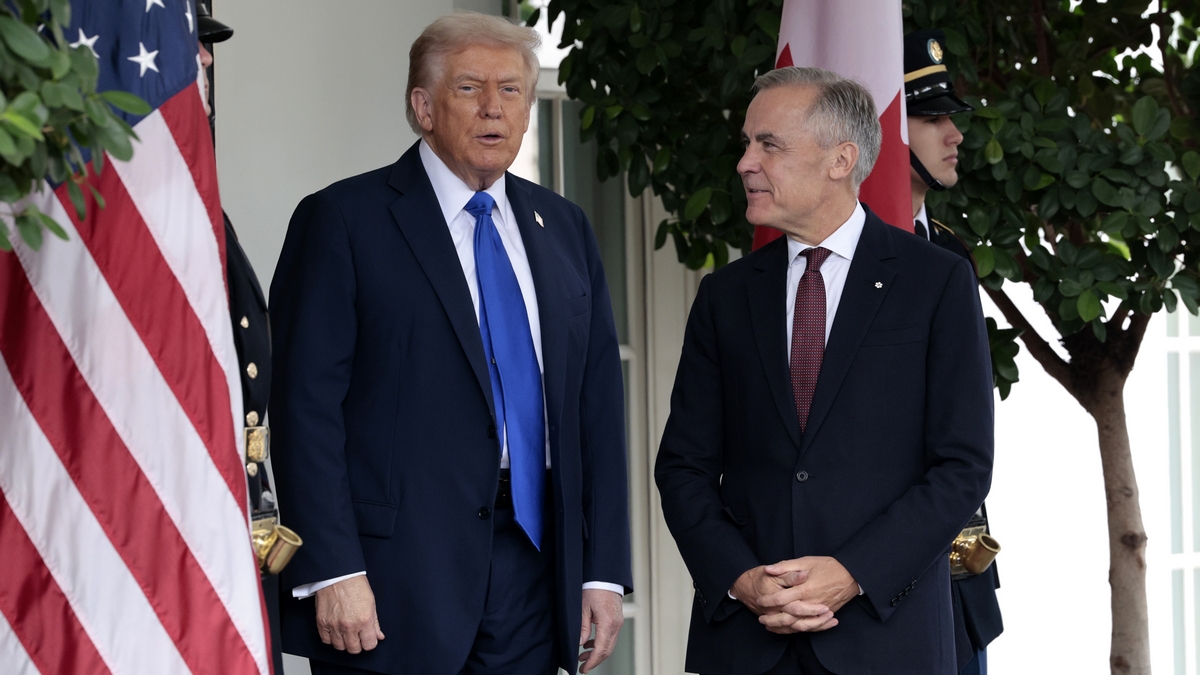
Prime Minister Mark Carney called the new tariffs another link in a series of unilateral U.S. actions that violate USMCA, but noted that Canada is ready for negotiations on "outstanding issues."
This is a cautious response from someone who needs to maintain face domestically while keeping the negotiating window open. Carney insists that no "realistic and fair agreement" has been proposed, while simultaneously conducting contradictory communication: seeking integration with Washington while calling for resilience against great power pressure.
What is at stake
- The Canadian economy is already in technical recession in late 2025 — early 2026, inflation reached 3.2% in May, youth unemployment is at 13.4%, and the household debt burden is the largest in the G7.
- The White House announced that tariffs will take effect in 30 days — meaning there is time for negotiations, and Trump has not always followed through on announced trade increases.
- The Trump administration warned that the move could trigger a new wave of economic chaos with the risk of higher inflation and further damage to relations between the two countries.
The key question is not "will tariffs be imposed," but whether the 30-day period is a genuine window for a deal, or merely a rhetorical exit. If Ottawa does not propose concrete concessions on automobiles and alcohol within this month — rather than merely a willingness to "discuss" — the tariffs will take effect and a change below the 3% effective rate that economists are counting on will become impossible for at least until the end of 2026.