What happened
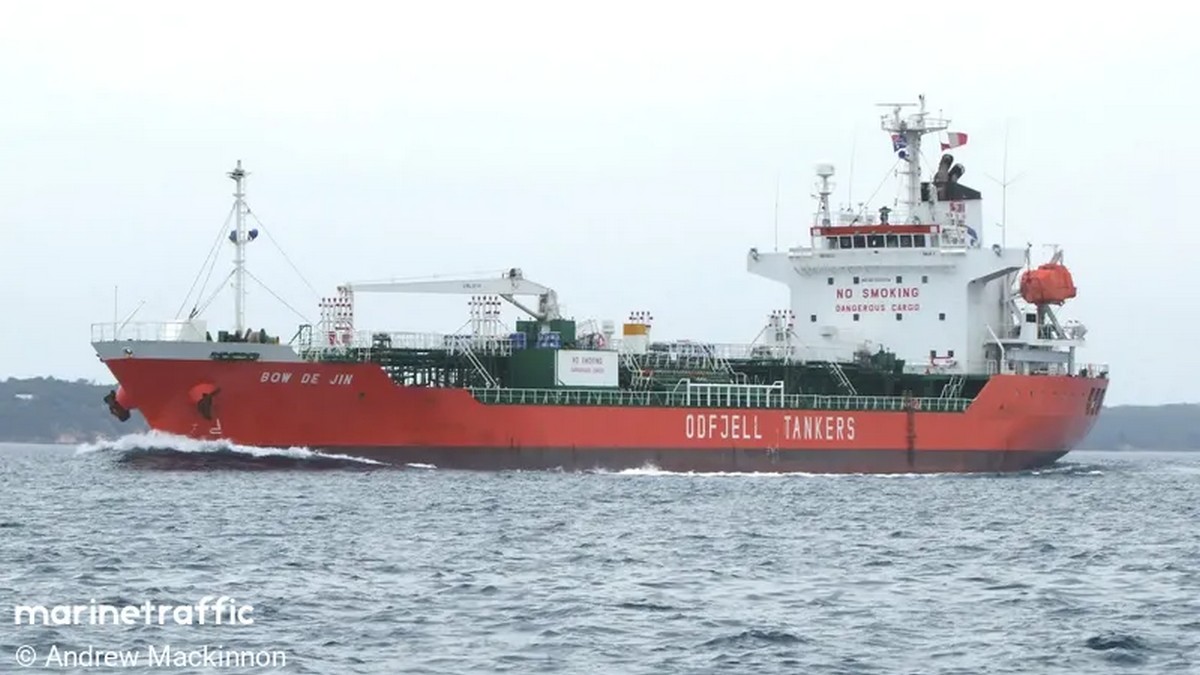
On February 12, President Volodymyr Zelensky signed the decision of the National Security and Defense Council (NSDC) to impose sanctions on 91 vessels of the so‑called Russian shadow fleet. The information was published on the Office of the President's website.
Why it matters
These tankers were used to transport oil and oil products from Russian ports — including Novorossiysk, Ust‑Luga and Primorsk — to third countries, bypassing restrictions imposed by the EU, the G7 and other partners. For Ukraine, this is a direct strike at the mechanisms that finance Moscow's war machine: restricting vessels complicates sales and logistics and raises the cost of risk for buyers and intermediaries.
"Shadow‑fleet tankers are a key tool for evading oil sanctions, so their identification and the imposition of sanctions against them must be carried out quickly and without exceptions. Each such vessel should be regarded as an element of financing Russia's war machine."
— Vladyslav Vlasiuk, presidential adviser on sanctions policy
How the shadow fleet operated
The vessels sailed under the flags of roughly 20 states. Among them were Panama, Liberia, Barbados, the Marshall Islands, Hong Kong, Sierra Leone, Tonga, Palau, Guinea, the Comoros, the Bahamas, Indonesia, Malawi, Guinea‑Bissau, Djibouti, Guyana, Eswatini and others; the Russian flag appeared on only one vessel from the list. This is a typical set of jurisdictions used for "reflagging" a fleet seeking to hide ultimate owners and evade restrictions.
International context
Of the 91 vessels, only 27 are already under sanctions by partners — the United States, the United Kingdom, Switzerland and the EU. This means a significant portion of the fleet was still operating in gaps between jurisdictions where punitive mechanisms are either absent or less stringent.
This is the second package of measures against the shadow fleet within two weeks. At the end of January, the NSDC coordinated with the EU restrictions against 10 individuals and six legal entities connected to the ownership or management of tankers.
Consequences and challenges
Ukraine's sanctions increase reputational and operational risks for shipowners and intermediaries: insurance, port services and financing may become unavailable. This reduces opportunities to extract proceeds from the sale of energy products, which is important for financing the aggression.
At the same time, challenges remain: reflagging, complex ownership chains and the absence of unified international measures allow some vessels to continue operating. Therefore, the effectiveness of the restrictions will depend on synchronization with partners and on tracking who actually controls the vessels.
Conclusion
The NSDC has taken another step toward fully blocking mechanisms for evading sanctions. The next question is whether partners will intensify pressure so that these vessels truly lose access to markets, insurance and port services. How quickly the funding streams that support the war against Ukraine are curtailed depends on that.







