What happened
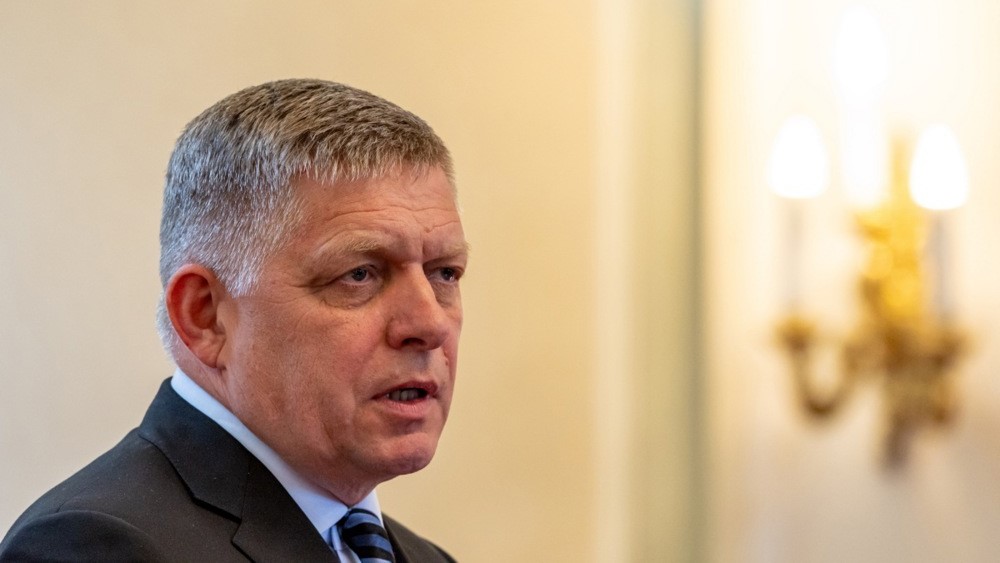
Slovak Prime Minister Robert Fico said on Facebook that he will appeal to the state energy company SEPS to stop emergency electricity supplies to Ukraine if transit of Russian oil through the Druzhba pipeline is not restored by Monday.
"If oil supplies to Slovakia are not restored by Monday, I will appeal to SEPS... to demand the cessation of emergency electricity supplies to Ukraine"
— Robert Fico, Prime Minister of Slovakia
Context and chronology
This statement did not arise out of nowhere. Key facts:
- 27 January — Russian forces attacked the Druzhba pipeline infrastructure in the Lviv region.
- 16 February — Fico voiced suspicion that Ukraine is delaying the restoration of oil transit.
- 18 February — Hungary and Slovakia announced the halt of diesel exports to Ukraine.
- 20 February — it emerged that Hungary blocked a European loan to Ukraine worth €90 billion.
Why Fico used that tone
Economic and political factors combine here. According to him, delays in transit are costing Slovakia around half a billion euros a year. Against the backdrop of domestic political competition, such rhetoric works as a pressure tool: to put Ukraine in a position where restoring transit becomes a priority for European and logistical partners.
Energy sector analysts emphasize that this is also an attempt to strengthen a negotiating position by using energy supply chains as leverage. This tactic has two goals — a rapid technical solution and a political signal to Brussels and Kyiv.
Consequences for Ukraine
In the short term and technically — stopping the "emergency" supplies could complicate local energy deliveries, particularly in border regions. However, the national energy system has reserve mechanisms and international channels of cooperation; large-scale disruptions are not to be expected immediately if a coordinated response with partners is implemented.
Politically, this is additional pressure on Kyiv at a time when energy infrastructure is under attack. It is important for Ukraine to show two things: the technical ability to minimize the impact and deft diplomacy that channels the conflict into negotiation corridors rather than into an escalation of supplies.
What next
Three parallel steps are needed: first, an immediate technical risk assessment and plans to compensate supplies; second, intensive negotiations with Slovakia and European institutions to defuse an escalation scenario; third, communication with the public and businesses — to explain which regions and sectors are potentially vulnerable and which measures are already being taken.
A rhetorical question for partners: are they willing to allow energy supply chains to become a tool of political pressure? The answer will determine not only the timetable of oil deliveries but also trust in the European energy architecture.







