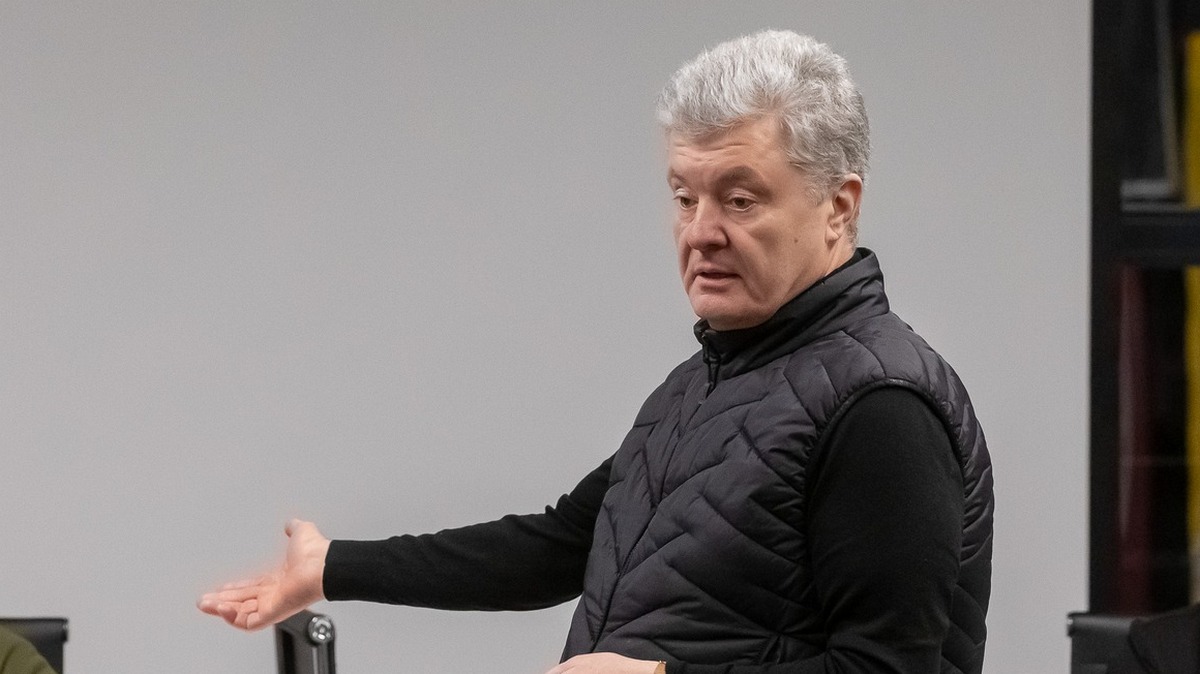
On July 10, the Cassation Administrative Court as part of the Supreme Court refused Petro Poroshenko's request to annul President Zelensky's decree No. 81/2025. The judge read the operative part: "Dismiss the administrative claim by Poroshenko Petro Oleksiiovych against President of Ukraine Zelensky Volodymyr Oleksandrovych regarding recognition as unlawful and annulment of the decree". The court will announce the full text of the decision within five days.
What sanctions these are and why they're controversial
On February 12, 2025, the NSDC imposed indefinite personal sanctions against five individuals: Poroshenko, Igor Kolomoisky, Hennadiy Bogolyubov, Kostyantin Zhevago, and Viktor Medvedchuk. The next day, the president signed a decree that came into force from the date of publication. The list of restrictions includes asset freezing, trade bans, suspension of capital export abroad, annulment of state awards, and prohibition from participating in privatization.
The SBU officially explained the decision as "threats to state security." According to the service, criminal proceedings have been opened against most of the individuals. Regarding Poroshenko, it concerns a case about coal purchases from occupied territories of Donbas: the investigation claims that as president, he placed the state in energy dependence on the Russian Federation. Sanctions against him were initiated by the Cabinet of Ministers, while sanctions against the other four individuals were initiated by the SBU. There is still no final court verdict in the "coal case."
"I am the author of this law. The transcript of the Verkhovna Rada clearly confirms that sanctions are not applied to individuals, citizens of Ukraine, residents of Ukraine"
Petro Poroshenko, during court proceedings
Procedural record: 18 months instead of two
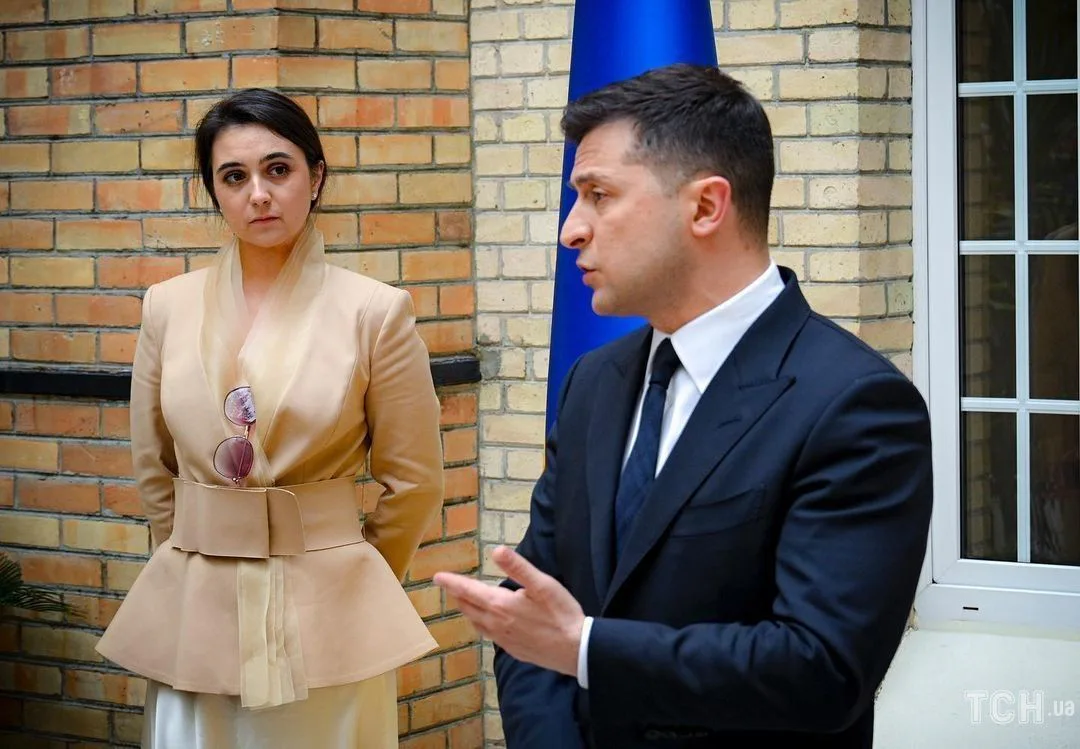
The Code of Administrative Procedure allows a maximum of two months for reviewing such cases. This case lasted 18 months — nine times longer. According to lawyer Illa Novikov, hearings were repeatedly postponed due to the non-appearance of the President's Office representative as defendant. Poroshenko himself attributed the delays to pressure from Deputy Head of the Presidential Office Iryna Mudraya — without evidence, which he did not publicly provide. The Presidential Office denied this.
It is noteworthy that as early as April 2025, the court refused a motion to ensure the claim — that is, to suspend the sanctions during proceedings. Assets remained frozen throughout this time, which itself became the subject of a complaint to the ECHR.
What's next: Grand Chamber and Strasbourg
- Grand Chamber of the Supreme Court — Poroshenko's defense has already announced its intention to appeal the decision.
- ECHR — the European Court of Human Rights accepted a complaint regarding the duration of proceedings and property rights for review even before the July 10 decision. Lawyers have filed two additional complaints.
- Parallel collision: according to lawyer Novikov, Poroshenko is the only person against whom sanctions by both Putin and Zelensky are simultaneously in effect, and criminal proceedings against him are essentially parallel in the DBR and the RF General Prosecutor's Office — a circumstance that the defense actively uses as an argument in Strasbourg.
The key question now is not whether the ECHR will annul the sanctions — it does not have such authority. The question is whether Strasbourg will oblige Ukraine to pay compensation and change sanctions legislation if it finds a Convention violation — and what price this will have for the reputation of a EU candidate country at the very moment of accession negotiations.