A Threat Already Heard Before
France's digital services tax emerged in 2019: 3% of revenue from large tech companies — primarily American ones, including Amazon, Meta, and Alphabet. At the same time, USTR launched an investigation under Section 301 and first threatened Paris with tariffs on wine, cheese, and handbags — approximately $2.4 billion in trade. The threat was suspended but never executed. Now Trump is returning to the same lever.
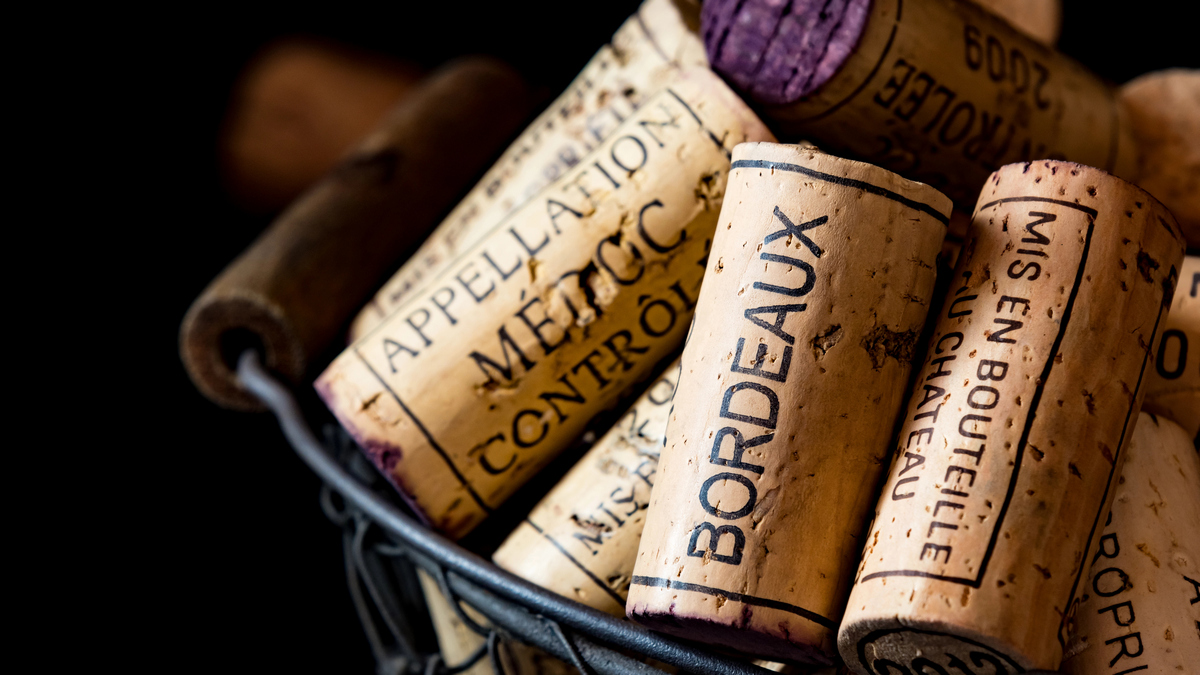
"I asked [Macron] not to tax American companies. If they do, I will have no choice but to impose 100% tariffs on all champagne and all wine from France," the New York Times quotes Trump, citing an interview with the New York Post.
Context That Changes the Weight of Words
The G7 summit takes place on June 15-16 in Evian-les-Bains — a resort town on Lake Geneva. For Macron, this is a diplomatic culmination of his second and final presidential term, which ends next year. Backing down to Trump at home, in front of cameras — that's political suicide. Not backing down — real tariffs are a risk.
According to Financial Times, France has already adjusted the summit agenda to avoid irritating the American president and to avoid repeating the Canadian scenario of 2025, when Trump left the meeting early.
"All Macron has to do is remove this sales tax, and there will be no pressure."
Donald Trump, interview with New York Post, June 15, 2026
What Really Stands Behind the Wine
France's DST is not a whim of Paris, but part of a broader global dispute. The OECD is negotiating a redistribution of taxation rights for multinational digital companies — the so-called "Pillar One" — but progress is frozen. France, like Italy and Spain, has introduced its own DST as a temporary measure pending an international agreement.
According to the U.S. Chamber of Commerce, raising the DST rate "threatens to slow down a key engine of economic growth" and at the same time "stoke trade tensions with the United States."
For the American side, the digital tax is an instrumentally convenient target: it precisely hits Silicon Valley, is easily explained to voters, and provides grounds for tariff pressure without violating formal WTO trade rules.
How Real Is the Threat to Wine
Alcohol is among the top EU exports to the United States — approximately €9 billion in 2024 according to Eurostat. Champagne and cognac have protected geographic origin and cannot be produced elsewhere. Exports of French wines to the United States already fell by 15.9% in value in 2025 — to €1.9 billion from €2.4 billion a year earlier. Part of this decline is a consequence of previous tariff pressure and consumer shift toward cheaper wines.
Meanwhile, EU wines and alcoholic beverages are already taxed by American import tariffs at 15% — a level at which the industry still survives. 100% would make French wine economically unviable in American stores.
In January 2026, Trump already threatened 200% tariffs on French wine and champagne — then as a lever of pressure to force Macron to join his "Council of Peace." The threat was not carried out. But the reiteration of the signal on the eve of a personal meeting in Evian — is a different format: this is no longer Twitter, but a position at the negotiating table.
What's Next
Trump and Macron will meet for dinner at the Palace of Versailles after the summit concludes. The U.S. administration has announced a packed schedule of bilateral meetings on the sidelines of the G7 in Evian-les-Bains. If France backs down and cancels the DST before or during the summit — this will set a precedent for other EU countries with their own digital taxes: Spain, Italy, Austria. If not — the actual implementation of tariffs will depend on whether Trump is willing to spoil the atmosphere of the summit that Macron prepared as his diplomatic culmination.