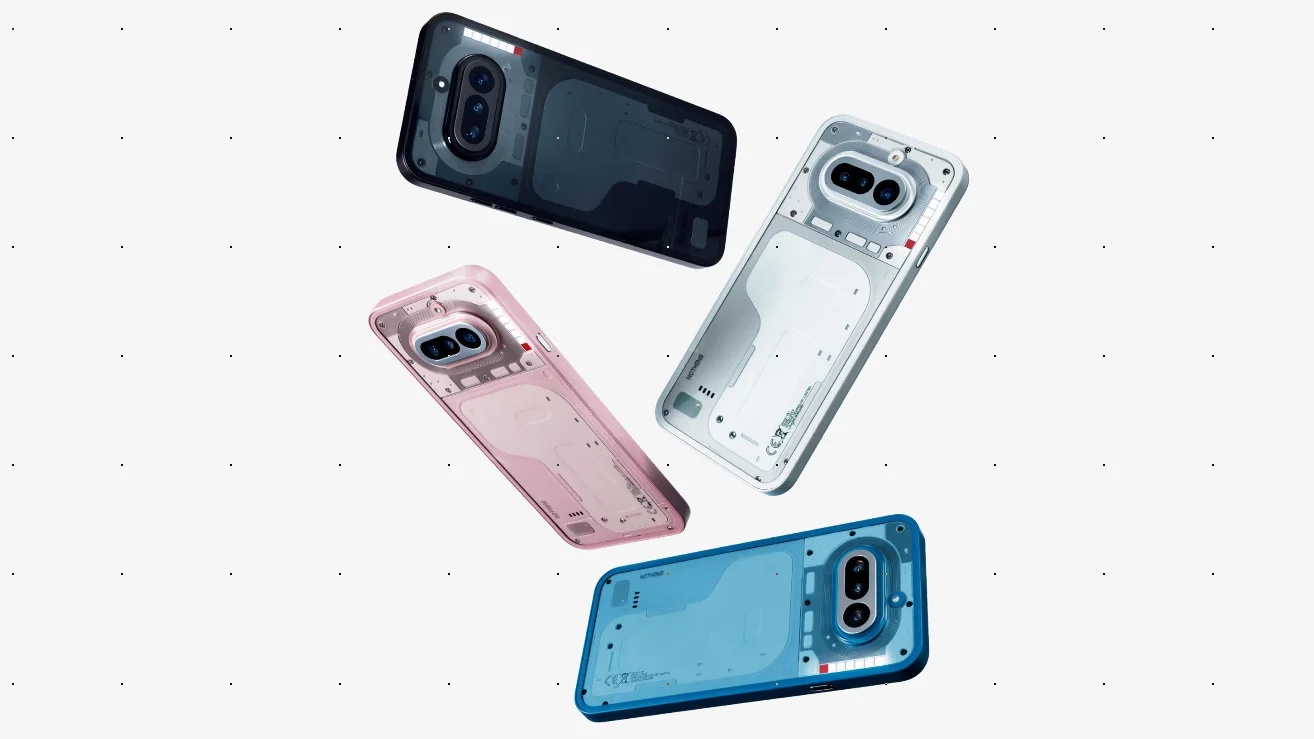
Karl Pei, founder and CEO of Nothing, did something that tech company leaders rarely do: openly warned buyers about price increases in advance — and explained why. According to him, for Nothing Phone (4a), the cost of memory doubled from the moment the decision to launch was made until market release, and then doubled again after launch. In total — a fourfold increase.
Not cyclical decline, but structural shift
For years, the smartphone industry operated on a simple logic: components get cheaper — devices become more affordable. As Android Central reports, Pei directly stated that this logic no longer works. Memory — DRAM and NAND — has become more expensive than processors and can now account for more than half of the total cost of goods for a device.
The reason is not traditional manufacturing shortage. According to IDC analysis, it is strategic reallocation of capacity: Samsung, SK Hynix, and Micron are redirecting limited cleanroom space and capital expenditures toward high-margin enterprise components for AI servers. Demand for High Bandwidth Memory (HBM) from hyperscalers — Microsoft, Google, Amazon, Meta — is so strong that, according to Sourceability, SK Hynix has already sold out all capacity through the end of 2026.
«DRAM and NAND production for smartphones and PCs has been the main industry driver for a decade. Today, this dynamic has reversed».
IDC, memory market analysis, 2025
Side effect: demand for HBM pressures production lines, which creates a secondary shortage of standard DDR5 and LPDDR5 — the same chips found in smartphones. According to BigGo Finance, quarterly capital expenditures of the six largest data center operators increased from approximately $70 billion in the third quarter of 2024 to about $130 billion in the fourth quarter of 2025.
What this means for buyers
Nothing has already chosen its strategy: raise prices rather than cut features. The brand's smartphones will launch more expensively in the first quarter of 2026 — Pei called this «inevitable». In parallel, the company is transitioning from UFS 2.2 storage to UFS 3.1 — to at least justify the higher price with a real upgrade.
For the mass market, the choice is harsher. According to Android Central estimates, memory modules that cost less than $20 a year ago could exceed $100 in flagship devices by year-end. Budget and mid-range segments are caught between a rock and a hard place: either prices rise, or specifications are cut — and both options hurt the buyer.
- Xiaomi, Samsung, Lenovo, Sony — all are already signaling a review of retail prices, according to BigGo Finance.
- Manufacturers are forced to buy components at spot prices due to limited supplies — without long-term contracts and volume discounts.
- Coordinated production cuts in 2024–2025, which were meant to clear excess inventory, only intensified the shortage of standard chips.
Structural trap
The paradox of the situation lies in the fact that memory manufacturers earn more when they produce less for smartphones. While the AI boom continues, Samsung, SK Hynix, and Micron have no financial incentive to scale up cheap consumer chips. New production capacity — if built now — will not appear before 2027–2028.
If hyperscaler capital expenditures on AI infrastructure continue to grow at the current pace, mid-range smartphone brands will face a choice: raise prices above the psychological threshold or exit the market entirely.