Brief — what happened
According to Bloomberg, during the latest escalation in the Middle East natural gas prices in Europe shot up sharply, while electricity prices proved relatively resilient and even fell last week. Four years ago, similar energy price hikes triggered strong inflationary waves — this time such a massive jump was avoided.
Why renewables act as a buffer
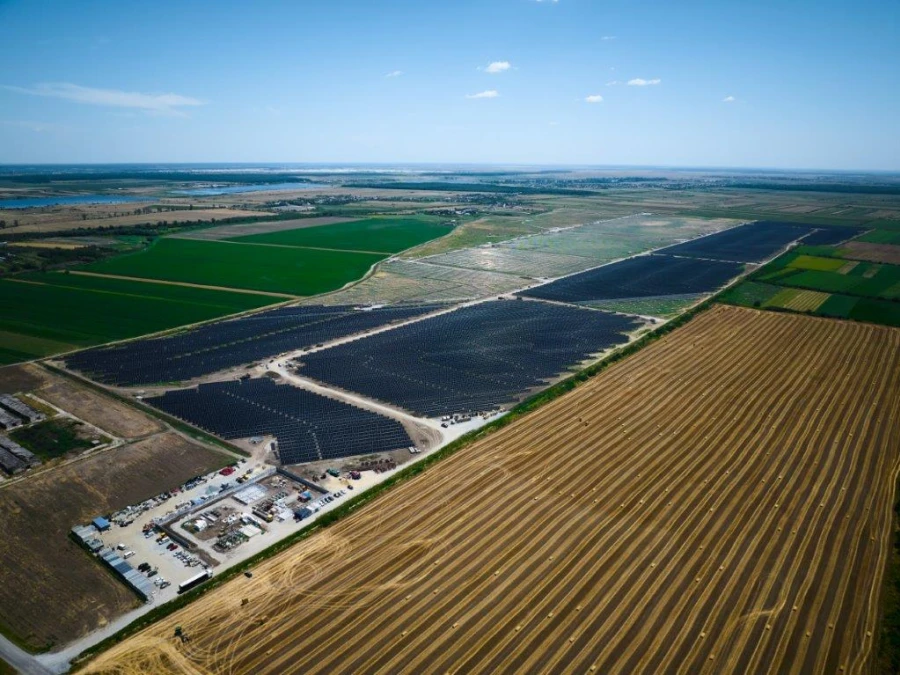
The mechanism is simple and rational: the growth of solar and wind generation capacity reduces dependence on gas-fired generation at peak load, because renewables have an almost zero marginal cost of production. This means that when gas becomes more expensive, the share of generation from renewable sources “slows down” the pass-through of gas prices into electricity prices. In addition, seasonal demand declines also worked to lower prices — according to analysts at Rabobank, without renewables and without this seasonal effect European electricity prices would be roughly a third higher.
“What we are seeing now is the energy transition in action. Even when gas prices rise in response to geopolitical tension, the growth of solar and renewable energy capacity in Europe helps cushion the blow.”
— Jorge Martinez, Director of Development, Nadara (a British renewable energy producer)
What industry players say
Executives of major energy companies see the crisis as a stronger signal to invest in electrification and move away from imported fossil fuels. As the head of RWE noted,
“The signal to invest in electrification and to rid ourselves of dependence on imported fossil fuels is now even stronger.”
— Markus Krebber, Chief Executive Officer of RWE
What this means for Ukraine
The European experience is not theory but a practical case that suggests political priorities for us as well. In 2024 the Cabinet set a target of 27% renewables by 2030, but after a ministerial change and a targeted Russian attack on Ukraine’s power system during the 2025–2026 heating season the government plans to update the strategy. In February 2026 the Verkhovna Rada changed the support model for renewables after unsuccessful “green” auctions — the head of the energy committee, Andriy Herus, said explicitly that the new model could become an incentive for building new generation in energy-deficit left-bank Ukraine.
Practical consequences: more renewables means less sensitivity to global gas price spikes, a more distributed generation structure (which increases resilience to attacks on infrastructure), and a stronger argument in negotiations over financing and investment with partners.
What’s next — a short forecast
The European case makes investments in renewables less risky and more attractive to lenders and investors. For Ukraine this means: accelerate updating the strategy, offer a transparent and predictable support model, and direct financing to the regions where new generation will deliver the greatest security effect. Whether we seize this strategic window is a question of political will and the pace of project implementation.
Conclusion: Europe has shown that renewables are no longer just a “green idea” but a tool of energy resilience. For Ukraine this is a chance to reduce vulnerability to external shocks and strengthen national energy security. Now it’s up to politicians and the market: whether declarations will be turned into rapid construction and financing — we’ll see in the coming years.







