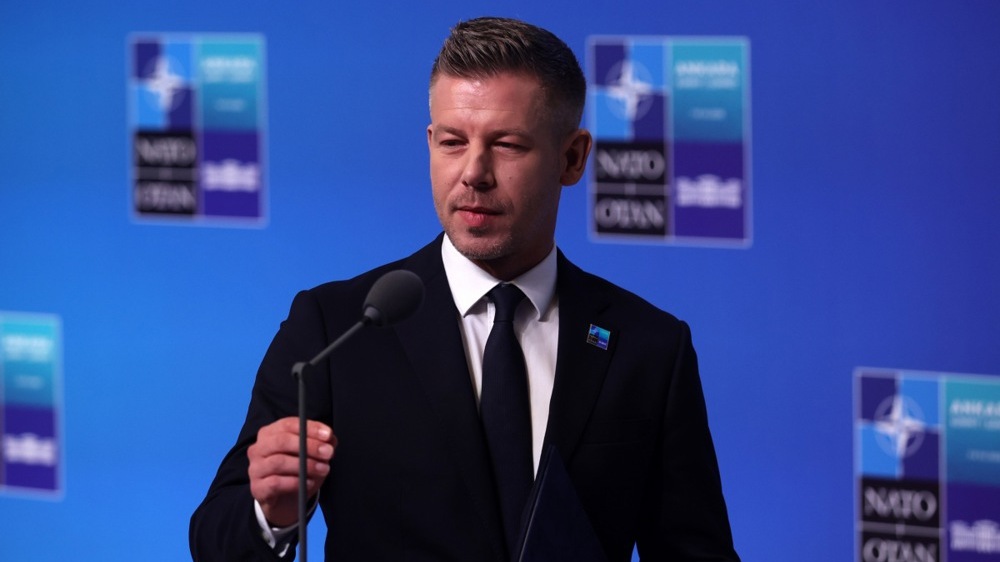
After 16 years in power, Viktor Orbán left his successor not only an unbalanced budget. According to Péter Magyarra, corruption and misuse of public funds cost Hungarians 8–10% of GDP annually. On July 10, the government took its first formal step toward compensation: a bill on the National Office for Asset Recovery and Protection was submitted to parliament — a key promise made by Magyarra, which he called part of "Operation Purgatory."
What the government claims: 30 trillion forints
The Hungarian cabinet operates with a figure of 30 trillion forints — approximately $97.1 billion — as the "most conservative estimate" of embezzled funds. Ferenc Bíró, head of Hungary's Integrity Office, named an even larger figure: according to his assessment, total corruption losses could exceed 160 billion euros. Bíró noted that corruption in the public sector peaked in Orbán's final year in power: state agencies increased control over public funds by 50%. "They saw the era was ending and wanted to push through every last cent," Bíró is quoted by the Financial Times.
Orbán has rejected accusations of corruption.
How the new body will work
The office will be headed by a president and four deputies, three of whom must be prosecutors — appointments will require parliamentary approval. The agency's mandate is to "expose past abuses and prevent future violations."
Among the initial priorities are investigating suspicious real estate deals, concession contracts, and conducting a retroactive audit of all public procurement contracts exceeding $32 million.
"The vulnerability of public assets is not just a financial but also a democratic risk."
— from the text of the bill published on the Hungarian parliament website
On the same day, Hungary officially joined the European Public Prosecutor's Office (EPPO), which investigates crimes against the EU budget — Orbán had blocked this decision for years. The EU Council also approved Hungary's recovery plan, clearing the way for approximately €10 billion in frozen funding.
Skeptics: the money exists, but the recovery mechanism does not
The question is not whether abuses occurred, but whether the money can actually be recovered. The Hungarian Fidesz party criticized the bill, claiming the new body could affect ordinary citizens. Independent observers point to a broader problem: assets withdrawn through offshore schemes, concessions, and related parties are legally difficult to attribute to the state.
Economists Levente Nagy-Pál, László Vertessy, and József Katona from the Free Market Foundation warn that recovered funds cannot be used to cover the budget deficit — instead, they propose a sovereign investment fund based on the Norwegian model. The logic is simple: a one-time budget injection is "consumed" within a year, while a fund generates income for decades.
- Launch timeline: Magyarra promised the office would be fully operational by the end of 2025.
- Appointment oversight: The president and deputies — through parliament, where Tisza has a constitutional majority.
- Parallel instrument: EPPO gains jurisdiction over crimes against the EU budget independent of the new body.
The real test for the office will come not at the moment the bill is submitted, but when it first attempts to forcibly recover an asset from a specific oligarch through the courts — and if Fidesz appeals this decision to the Constitutional Court, where judges appointed under Orbán still sit.