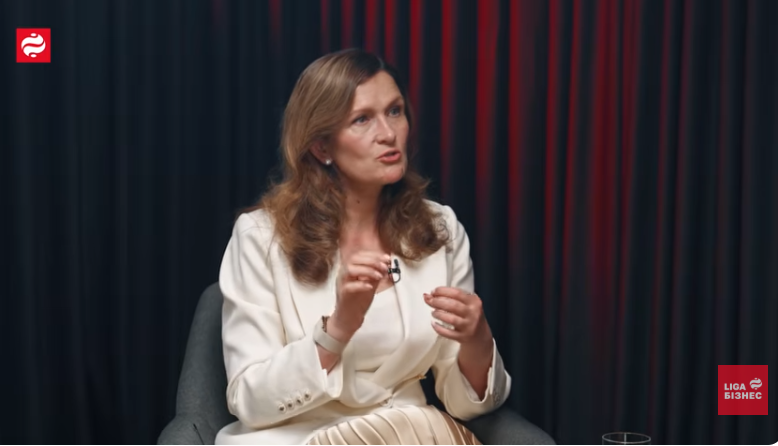
Natalia Gurina, CEO of Raiffeisen Bank — the largest foreign bank in Ukraine — publicly warned in the LIGA Business podcast: if the 50% tax on bank profits continues after the first quarter of 2027, the banking sector will cut lending and deter foreign investors. This is not the first such signal — but now it comes against the backdrop of a bill already registered in Parliament.
Why banks are a special case
The banking industry is the only sector in Ukraine where the corporate income tax rate is 50%. All other sectors pay the standard 18%. This norm has been in effect since 2023 as a temporary wartime measure; in 2026 it was extended — and now Hetmantsev has announced a bill to extend it for another year.
The argument of supporters is simple: banks earn money not from lending to businesses, but from government bonds. Danylo Hetmantsev, head of the tax committee, characterizes this as "excess profits from government securities," which, in his view, banks should return to the budget.
"The largest source of bank profits right now is not innovation, increased efficiency, or significant expansion of lending programs to businesses and individuals"
Danylo Hetmantsev, Head of the Parliamentary Committee on Finance
What those opposed say
NBU Governor Andriy Pyshny responded to Hetmantsev directly: banks transform capital into loans for enterprises, support energy and defense sectors. According to him, the return on capital of banks is already declining — from 59% in 2023 to 52% in the following year. Disproportionate tax burden, Pyshny emphasized, "discriminates against the industry and deters investors."
Gurina adds a practical dimension: predictability of tax policy is a basic condition for any bank considering long-term lending programs. Without it, the planning horizon shrinks, and therefore lending limits to the real sector shrink as well.
IMF: neutrality as support
The IMF's position is telling. The Fund, which generally does not support raising such a tax due to risks for lending, during its June mission to Kyiv made concessions to Ukraine for the third time and will essentially not object to extending the 50% rate. For Hetmantsev, this is a green light.
- Tax supporters: excess profits from government bonds justify a higher rate; reduction in external financing requires internal sources.
- Opponents: NBU, commercial banks and foreign investors — risk of narrowed lending and capital outflow.
- IMF: principally opposed, but silent for the sake of Ukraine's fiscal stability.
The real question is not whether this tax is fair or unfair. The question is under what conditions banks will start cutting credit portfolios so significantly that it becomes visible to business — and whether this will happen before Parliament has time to review the norm.