What happened
The Cabinet of Ministers has increased compensation amounts for war-related damage to businesses. For enterprises in frontline oblasts the maximum compensation for damaged property has risen to UAH 30 million, while for the rest of the country the cap on compensation for insurance premiums has been raised to UAH 3 million.
The program launched at the beginning of 2026 and was altered less than three months after its start — a sign that the mechanism required a rapid adjustment.
Who it will affect
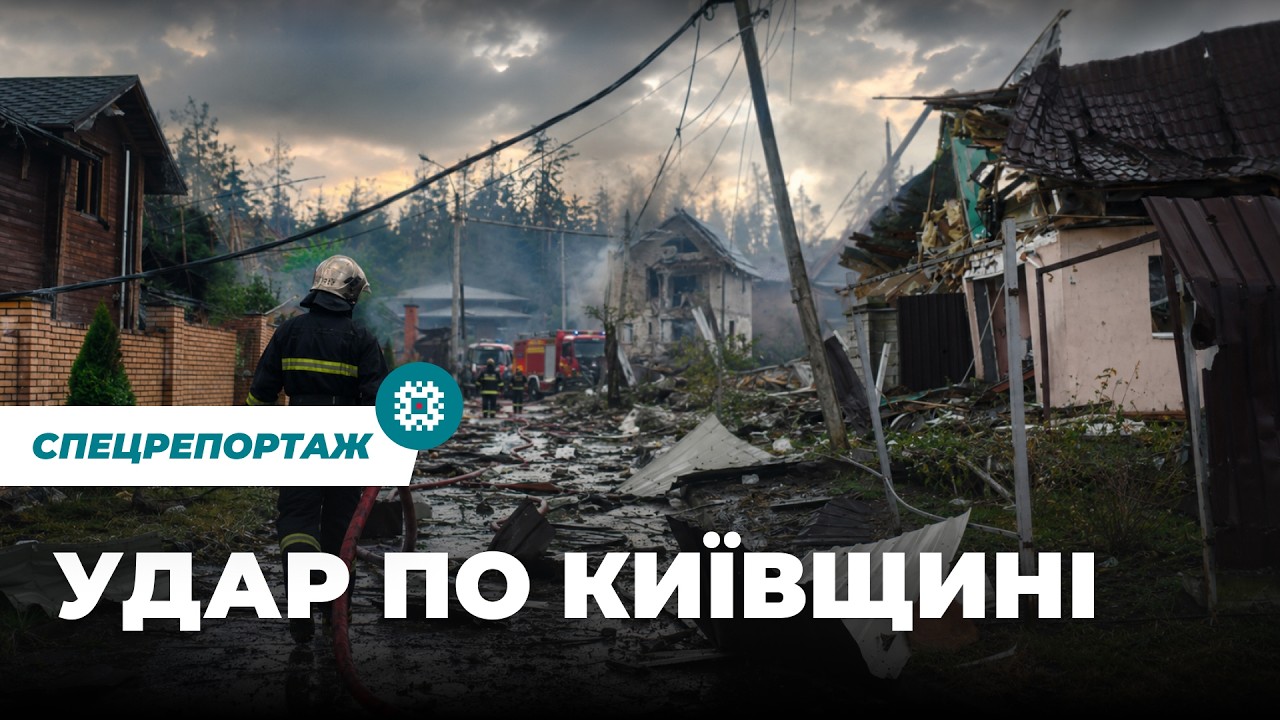
The mechanism is intended for businesses operating in higher-risk zones: Dnipropetrovsk, Donetsk, Zaporizhzhia, Mykolaiv, Odesa, Poltava, Sumy, Kharkiv, Kherson and Chernihiv oblasts. It will compensate part of the cost of buildings, warehouses and equipment damaged during Russian strikes.
For other regions the state is prepared to partially compensate insurance premiums under a model similar to lending support programs (akin to the 5-7-9% scheme). Previously the limits were UAH 10 million for frontline areas and UAH 1 million for premiums.
Why this was done
The increase in limits is a response to two practical problems. First, the program so far has low uptake: since its launch there have been 52 applications under the compensation for damaged or destroyed property, of which 20 have been confirmed totaling UAH 166.5 million; for the insurance-premium compensation stream there have been 21 applications. Second, business confidence is falling: the annual survey by the European Business Association showed that top managers' sentiment in 2026 is worse than last year, and covering wartime risks is named as one of the key priorities.
"Compensation for damaged property in frontline regions will be increased to UAH 30 million, and to UAH 3 million for the rest of the territory"
— Yuliia Svyrydenko, Prime Minister of Ukraine (government statement)
"This program did not take off"
— Danylo Hetmantsev, chair of the Verkhovna Rada committee on finance, tax and customs policy (comment March 13)
What this changes — and where risks may lie
Raising the limits makes war-risk insurance more attractive for large investors and allows for covering significant losses when restoring infrastructure. It is also a signal to insurers and international investors that the state is willing to participate in risk-sharing.
However, the effect will depend on three conditions: the speed of payouts, the transparency of the loss-verification procedure, and insurers' capacity to handle the increased volumes. If bureaucracy remains heavy or state guarantees are delayed, the higher limits alone will not ensure an inflow of investment.
Conclusion
Expanding coverage is a pragmatic government response to criticism and weak demand. It is a step toward strengthening economic resilience during the war, but its success will be determined by implementation in practice: the speed of payments, the quality of oversight and business trust. Whether this will become an effective recovery mechanism is a question that the next round of applications and the first payouts under the new limits will answer.