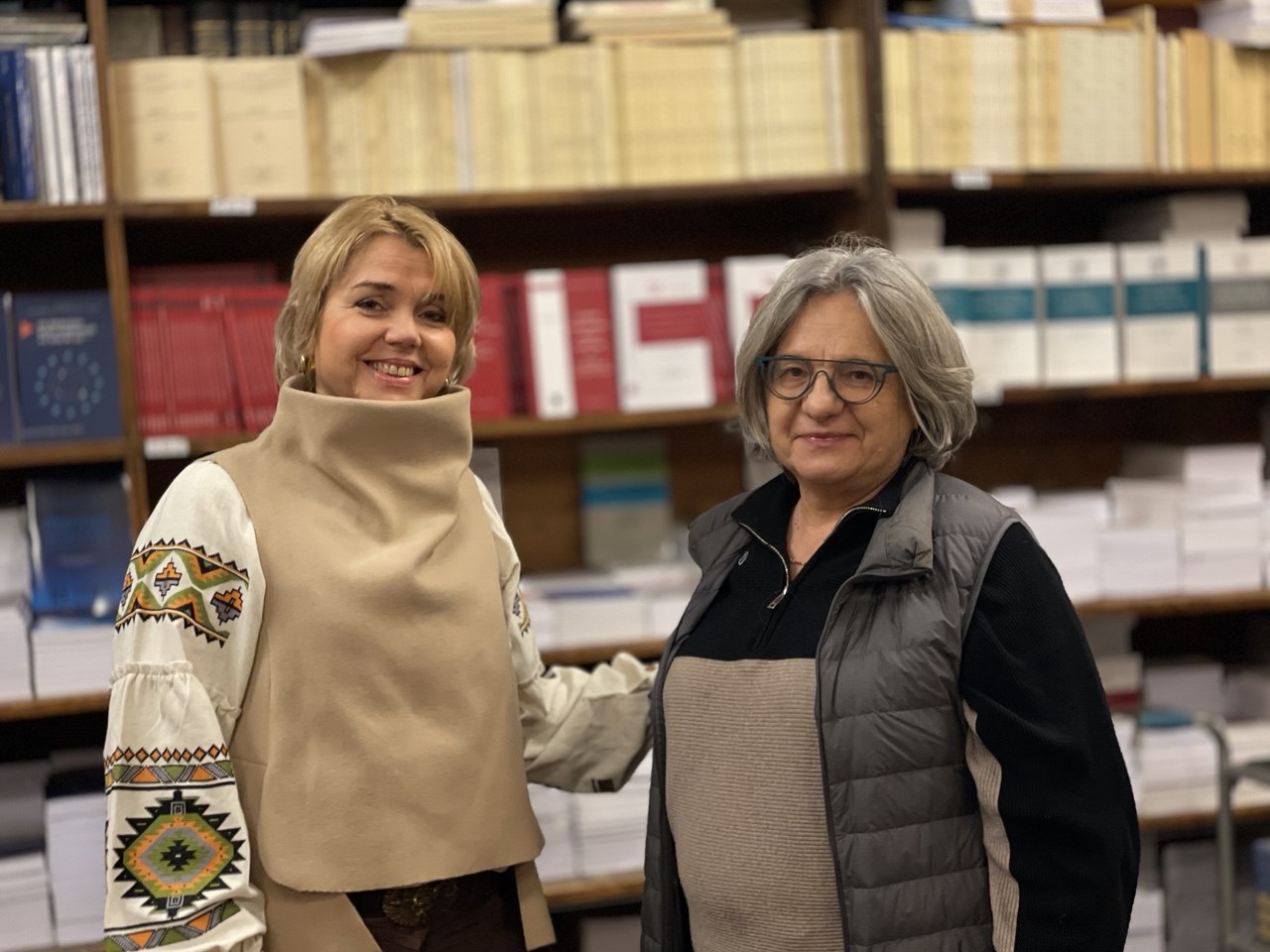
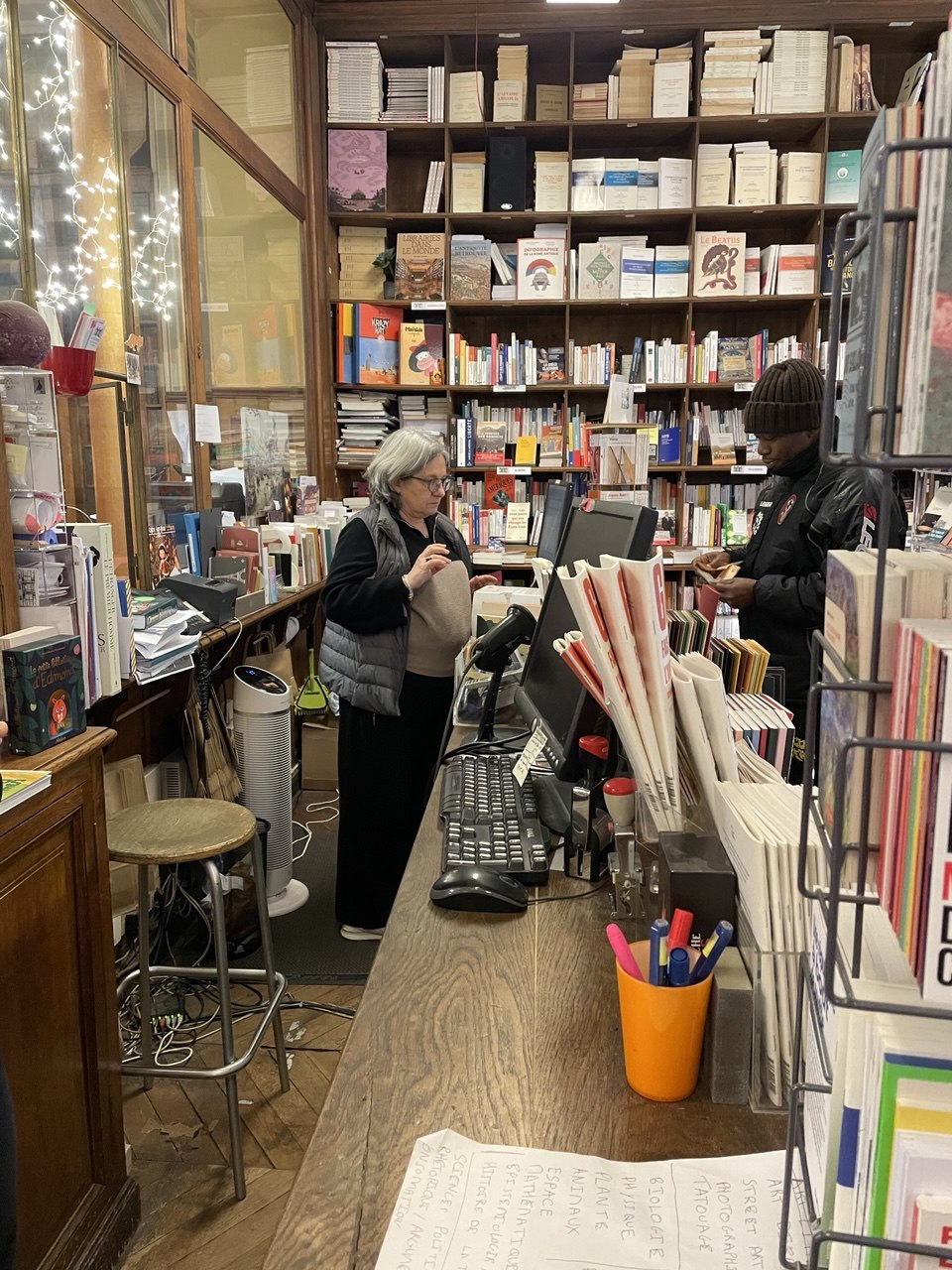
This is where Benedikt Pedonne works — co-owner and director of the legendary French publishing house A. Pedone.
An intellectual fortress of international law
It is not just a publishing house. It is an intellectual fortress of international law that has existed continuously since 1837. Seven generations of the Pedonne family have published books that shaped Europe's legal architecture. Here were printed works by jurists, diplomats, researchers of war crimes — everyone who tried to answer one question: how should humanity judge evil.
Benedikt continues this work together with her husband Arnold. But there is no aristocratic distance or academic coldness in her voice. She speaks about law as if it were living matter. As if justice is not an abstraction, but a way to restore human dignity after catastrophe.
"Discussion in law is discussion with words"
— Benedikt Pedonne
The publishing house that published the word "genocide"
The world knows Raphael Lemkin as the man who created the term "genocide." But few know that it was precisely the Pedone publishing house that published his work — long before international law became a global language after World War II. At the time, these were just books. Small print runs. Intellectual discussions. But they later became the foundation for international courts and tribunals.
Benedikt speaks of Lemkin not as a museum figure. For her, he is a man whose idea still works.
"It was Lemkin who developed the concept of genocide — he even created this word. Today we speak of 'ecocide' — and this too is, in a sense, a continuation of his concept"
— Benedikt Pedonne
There is something symbolic in this: wars begin with weapons, but end with words. It is precisely through legal formulations that humanity defines the boundary between war and crime.
A bookstore where war ends
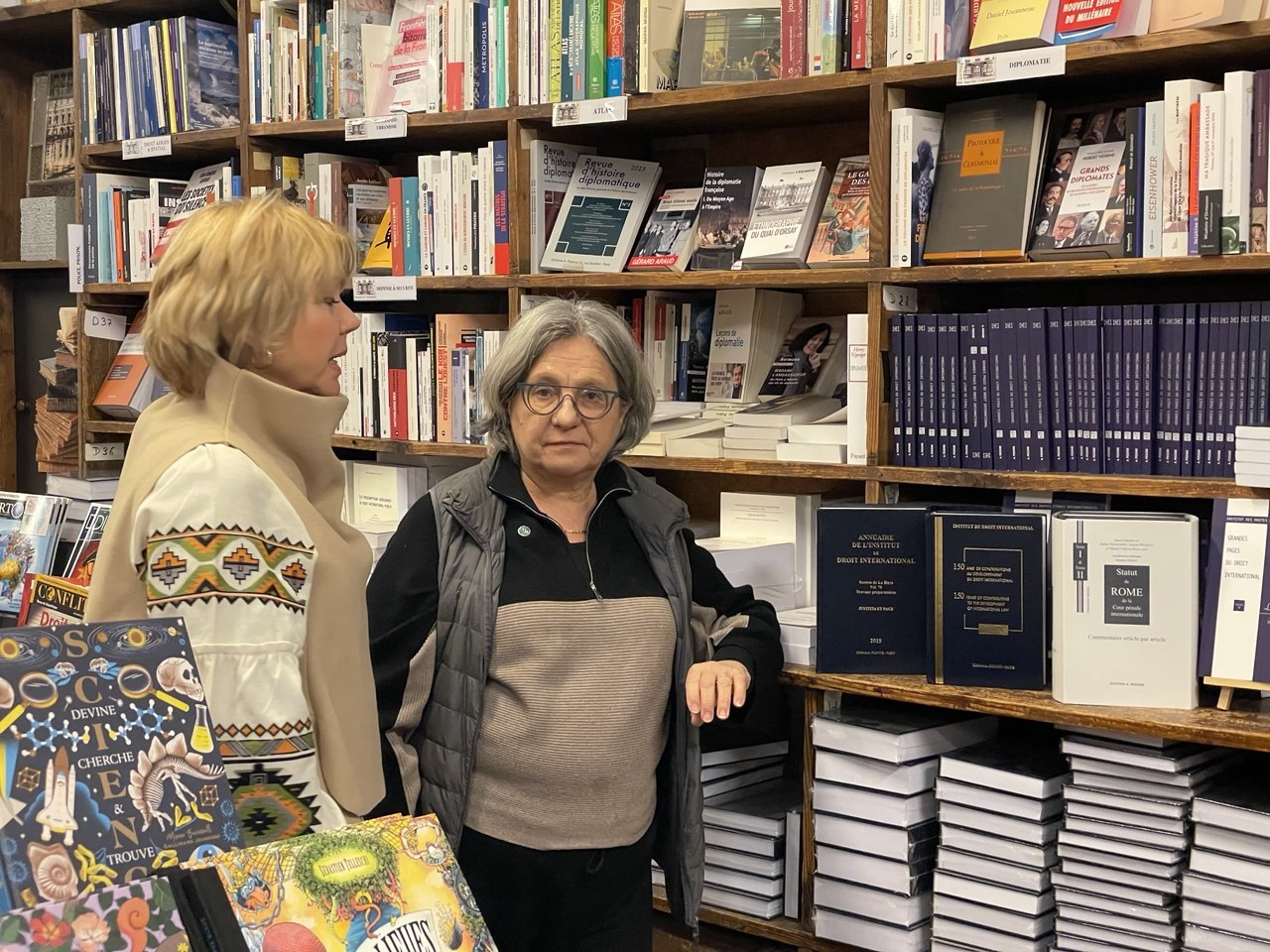
For the Ukrainian delegation that came to Paris, this bookstore became more than just a location. It became the final point of a conversation about justice. On the shelves — publications from the Hague Academy of International Law, research on tribunals, diplomacy, human rights.
For Ukraine, the thesis that every war ends "under the aegis of international law" sounds almost existential. Because it is not only about punishing specific criminals. It is about the legal definition of the very phenomenon of Rashism — an attempt to fix evil not only historically, but also legally.
Benedikt Pedonne has been printing texts for decades about international accountability, mechanisms of punishment, the right of peoples to protection. Her work is a quiet, unnoticed struggle to ensure that the language of justice remains in the world.
"We opened our doors because it could have happened to us"
But Benedikt reveals herself most not as a publishing house director, but as a person. After the full-scale war began, she took in Ukrainians in her home. And she speaks about it without pathos.
"We received more than we gave when we welcomed Ukrainians. We opened our home because it could have happened to us too"
— Benedikt Pedonne
This phrase most accurately explains the Europe that Ukraine is trying to preserve today. Not the Europe of declarations — the Europe of compassion and human solidarity.

Small print runs that change history
Pedone does not publish mass literature. Their books are read by a few thousand people in the world — mostly in French, often in very complex legal language. But it is precisely these texts that are cited by judges of international tribunals, university professors, and lawyers in war crimes cases.
"We try to publish international law so that it serves peace in the world"
— Benedikt Pedonne
And in this lies the paradox of our time: sometimes a small Paris bookstore influences the future more strongly than dozens of political summits. Because weapons stop an army. But law stops the repetition of crime.
And as long as people like Benedikt Pedonne exist, the world has a chance not to forget the difference between force and justice.