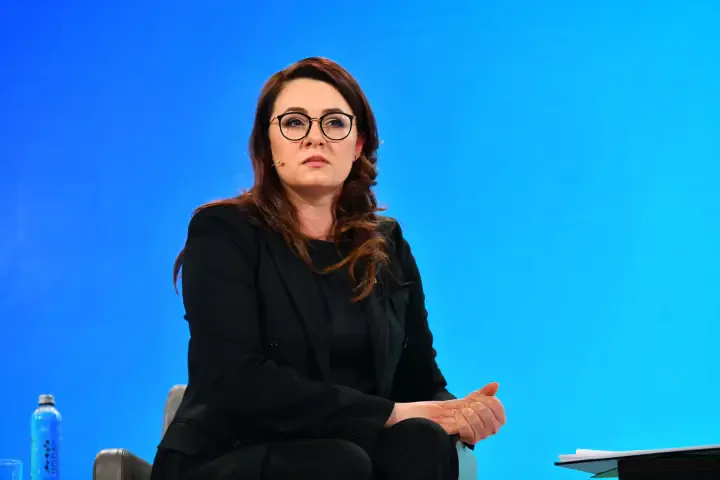
The Cabinet of Ministers is directing an additional 2 billion hryvnias to Kyiv to prepare for the next heating season. This was announced by Prime Minister Yulia Svyrydenko. The funds will be used to protect energy facilities and ensure uninterrupted heat supply as part of the so-called Kyiv Resilience Plan.
However, the details reveal a more complex picture. At the end of May, the National Security and Defense Council, chaired by the President, approved comprehensive resilience plans for all regions and regional centers. Kyiv is the only one for which the document has not been approved: the capital was given additional time to refine it. Thus, money is being allocated for a plan that does not yet have final status.
"The responsibility for quality and timely preparation of Kyiv for the heating season lies with the city authorities. The city must organize the work properly."
— Yulia Svyrydenko, Prime Minister of Ukraine
What has already been financed and what is planned
Of the funds already allocated, 966 million hryvnias have been directed to the Recovery Agency to purchase modular boiler plants for Kyiv. In total, the government allocated 3 billion hryvnias from the state budget reserve fund for the installation of 216 such boiler plants — in the capital and regions. More than 2 billion hryvnias within the same decision went to other regions.
In parallel, under the resilience plans, distributed generation is being implemented: since March 1, 319 MW has been commissioned, with work continuing on another 541 MW of gas generator units. By the end of the year, a total of 1.5 GW is planned. Backup power currently covers nearly 70% of water and heat supply facilities.
The total cost of implementing resilience plans across the country, according to government estimates, is 270 billion hryvnias. International partners are expected to cover the lion's share.
Why pace matters
Oleksandr Kharchenko, Director of the Energy Research Center, previously identified three key conditions for a safe winter: physical protection of facilities, introduction of backup generation, and payment discipline in the electricity market. According to him, if these components are implemented as efficiently as possible, heat supply systems will be able to better withstand attacks and provide heat to residents of Kyiv and other cities.
Kharchenko also warned: the halt to the scandal surrounding Ukrenergo slowed down financing and construction of protective structures by at least six months — and this time deficit directly affects the system's readiness for attacks.
Against this backdrop, market participants' debts to NEC Ukrenergo at the beginning of 2026 reached approximately 42 billion hryvnias — 21% more than a year earlier. The chairman of the ASEU board emphasized: without strict payment discipline, no credits will bridge the financial gap, and the energy system will enter winter with irreversible network degradation.
If Kyiv's resilience plan is approved by the National Security and Defense Council by August and all 216 boiler plants are installed on schedule — the capital will enter winter for the first time in three years with a documented and verified backup heat system. If not, 2 billion hryvnias will go to a city building resilience without an agreed strategy.