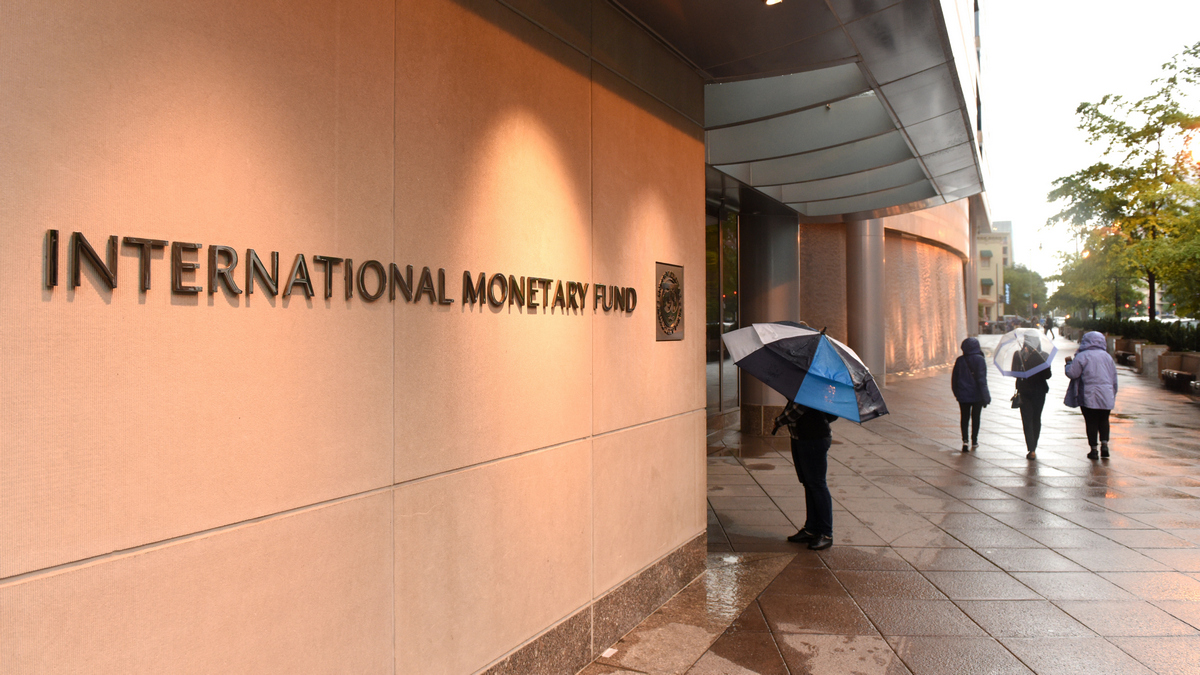
When Ukraine introduced a 50% bank profit tax in 2023, the logic was clear: the financial sector was profiting amid war, and the state needed resources. But the IMF now insists on not turning this temporary measure into a permanent one — and explains why.
What exactly is wrong with 50%
According to IMF estimates, the elevated rate blocks natural capital accumulation within the banking system. In simpler terms: banks hand over half their earnings to the state instead of strengthening their own reserves. For a country that will need to rebuild after the war and will require massive lending, this is a structural problem, not an accounting detail.
The second argument concerns investment attractiveness. Foreign capital will not flow into the banking sector under conditions that make Ukraine a notable exception compared to regional competitors. The standard rate in neighboring countries is 18–25%.
A conflict that hasn't gone away
The problem is not that the IMF is "against" or "for" banks. The real conflict is between the state's short-term fiscal needs and the long-term resilience of the financial system. As long as the budget depends on every source of revenue, giving up the "super tax" — even if justified — means finding what will replace it.
That is why the IMF mentions the 2027 horizon rather than immediate changes. This provides time to build an alternative, but requires the government to publicly define now what will replace it.
What this means for ordinary people
Undercapitalized banks mean more expensive loans for businesses and less capacity to finance reconstruction. An entrepreneur who wants to take a loan to open production in a deoccupied region directly depends on how much the bank can afford to lend at an acceptable interest rate.
The position of the National Bank is cautious so far: the regulator acknowledges the problem but has not publicly pressured the Finance Ministry with specific deadlines. The Finance Ministry, in turn, has announced no transition plan.
The IMF recommendation has been recorded — but without an implementation mechanism, it remains a wish. The question is whether a concrete plan will emerge by the end of 2025, while the budget cycle is still open.