Brief — and to the point
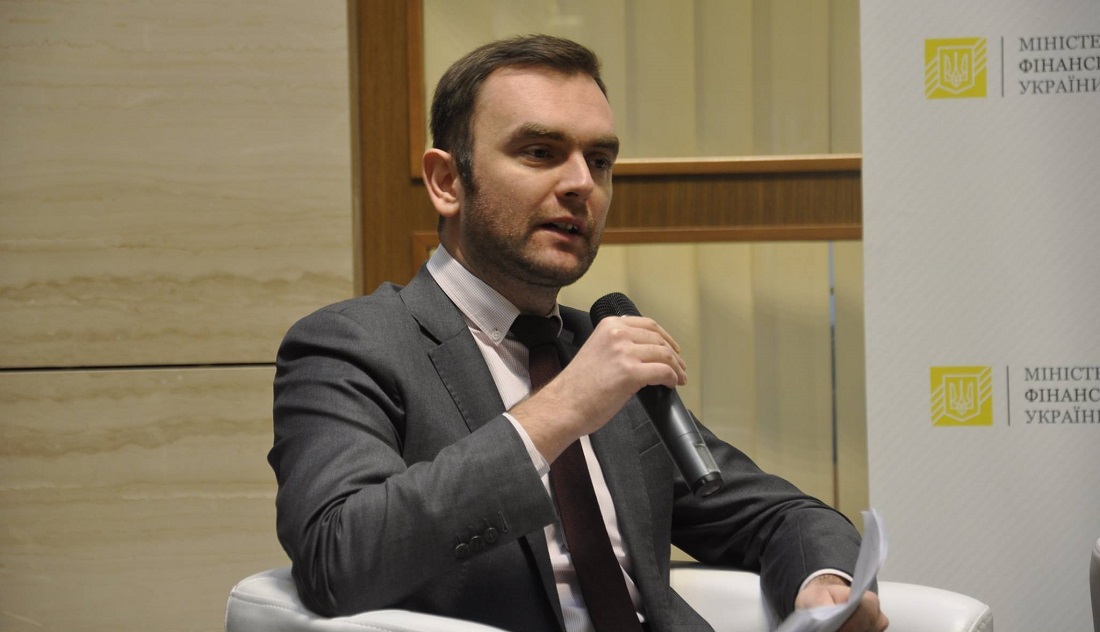
Yuriy Butsa, the government commissioner for public debt management, said in an interview with Reuters that he expects approval of the new IMF loan program "within a few weeks" and considers February a realistic possibility. This decision will have a direct impact on the budget, defense spending and the flow of foreign investment.
Why this matters now
The IMF is not only a lender but also a kind of signal of confidence for markets and donors. Agreement on a program opens access to significant resources, increases the chances of disbursements from the EU (referring to a package of about €90 billion), and improves prospects for Ukraine's return to emerging market indices — sources of billions of dollars in investment.
Terms and constraints of the program
The IMF program is based on a debt sustainability analysis. Because of this, the government has restrictions on providing sovereign guarantees. The consequence: the state is unlikely to be able to guarantee the restructuring of external debts of large companies such as Ukrzaliznytsia or Naftogaz. Instead, state bodies would be called upon to help businesses develop long-term business models.
"We have very strict limits on sovereign guarantees because this is part of the same model of debt sustainability analysis. So we effectively cannot provide them, but we are able to help companies develop full-fledged long-term business models."
— Yuriy Butsa, government commissioner for public debt management (interview with Reuters)
State financial strategy
Even if hostilities cease, financial pressure will not disappear — reconstruction of infrastructure and modernization of the armed forces will require resources. Therefore Butsa calls a combined strategy a priority: concessional financing from international partners and domestic borrowing in the national currency to minimize currency risks.
Reforms the program will require
Among the "homework" for program approval are: abolition of the duty-free exemption for parcels up to €150, introduction of a tax on digital platforms, and making the military levy of 5% permanent. Separately, registration of a draft law on VAT for sole proprietors (FOPs) is being discussed — it is currently outside the main package but is important for the course of negotiations.
Market infrastructure and the return of investors
Ukraine is working on technical steps to give investors access: cooperation with Clearstream, efforts to join TARGET2, and work to make bonds eligible for inclusion in indices (including the JPMorgan GBI-EM). This is not an instant effect, but infrastructural solutions are needed — and they are already in progress.
What this means for citizens
In short: approval of the IMF program will provide more room for external financing of defense and reconstruction, but will be accompanied by budgetary and tax commitments. For the average Ukrainian, this may mean changes in customs rules, new taxes for digital services, and long-term stabilization of the hryvnia exchange rate if domestic borrowing develops successfully.
Looking ahead
National Bank Governor Andriy Pyshnyi also hopes the program will be approved by the end of February. At the same time, the key issue is not only obtaining the program but turning it into concrete money and projects. Now it's up to partners: declarations must turn into signed contracts and disbursements that will allow supporting the army and rebuilding the country without the risk of new debt crises.
Analysts point out: the IMF decision will be a test of the Ukrainian authorities' ability to combine defense priorities with long-term fiscal discipline.