In autumn 1996, residents of Odesa region carried not wallets but bags and pillowcases filled with coupon-karbovantsi to banks – displaying cash to cameras, exchanging it and receiving in return several shiny new banknotes featuring portraits of princes. The country had two weeks to get rid of the currency that it had itself printed in billions. On September 2, 2025, marking the anniversary of that exchange, the National Bank commemorated the event the way it usually does jubilees – with a new coin.
What exactly was released
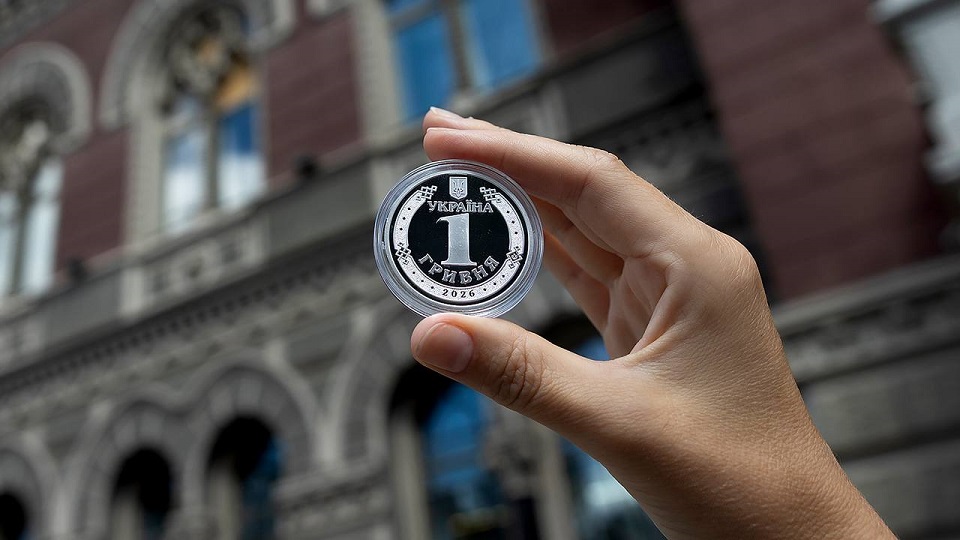
A commemorative coin "To the 30th Anniversary of Monetary Reform in Ukraine" with a denomination of 1 hryvnia is made of 925 grade silver, with precious metal content of 31.1 g in purity, with local gilding. The obverse features the design of the circulation coin from 2018, the reverse features the design of the first circulation hryvnia, which until recently circulated and is now gradually being withdrawn. The concept author is Andrii Sagach, the obverse artist is Volodymyr Demyanenko, the reverse artist is Vasyl Lopata. The circulation is up to 5,000 pieces, so for collectors it is more of a hunting object than a means of payment.
Why 100,000 karbovantsi turned into one hryvnia
The exchange occurred at the rate of one hundred thousand karbovantsi per hryvnia not out of legislative caprice, but because by 1996 the coupon-karbovanets no longer performed the functions of normal money. As of July 1, 1996, the total state debt for wages, pensions and stipends amounted, converted to hryvnias, to 2.919 billion hryvnias, and by early September this social debt had only grown, exceeding 3 billion.
Ukrainian currency was not halted even by the exit from the ruble zone in November 1992: in 1993 the inflation rate was 10156%, in 1994 – 401%, in 1995 – 182%, and only thanks to this reform did the situation stabilize.
The reform itself was conducted privately and quickly: from September 2 to 16, 1996, coupon-karbovantsi were withdrawn from circulation and exchanged for hryvnias at the rate of 100,000 krbv. = 1 hrn. For a family that had just received their salary in stacks of worn coupons, this meant one trip to the bank, after which the money in their pocket suddenly weighed a thousand times less – and, more importantly, began to mean something stable.
What the NBU says about it today
"Our new commemorative coin reminds us of the path that Ukraine and the hryvnia have traveled together over thirty years. During this time, the hryvnia has become a symbol of state resilience, and its emergence forever secured Ukraine's right to independently determine its economic future," said National Bank Governor Andrii Pyshnyi.
The words about resilience here are not just rhetoric for a ceremony: the hryvnia has survived the crises of 1998, 2008, 2014-2015 and a full-scale war, remaining the sole national currency, while some neighboring post-Soviet countries still experiment with their own monetary systems or pegs to foreign currencies.
Not the first or last jubilee series
Commemorative coins have long been for the NBU not only a way to earn money from collectors (silver sold at nominal value sells for more than face value) but also a tool of cultural policy. In May 2026, the NBU already released an octagonal silver coin with a denomination of 10 hryvnias, which launched a series on Ukrainian avant-garde. And the coin "Let's Keep Order!" managed to make it into the top ten best coins in the world in the "Coin of the Year" competition and receive an award in the "Most Inspiring Coin" category.
The only question is whether the jubilee coin marking the 30th anniversary of the hryvnia will become as recognizable a symbol abroad as the symbol on its reverse – or will it remain a niche souvenir for a few thousand collectors, while for the rest of Ukrainians the real test of hryvnia resilience is not a silver disc in a display case, but the exchange rate and prices in the nearest supermarket.