What happened
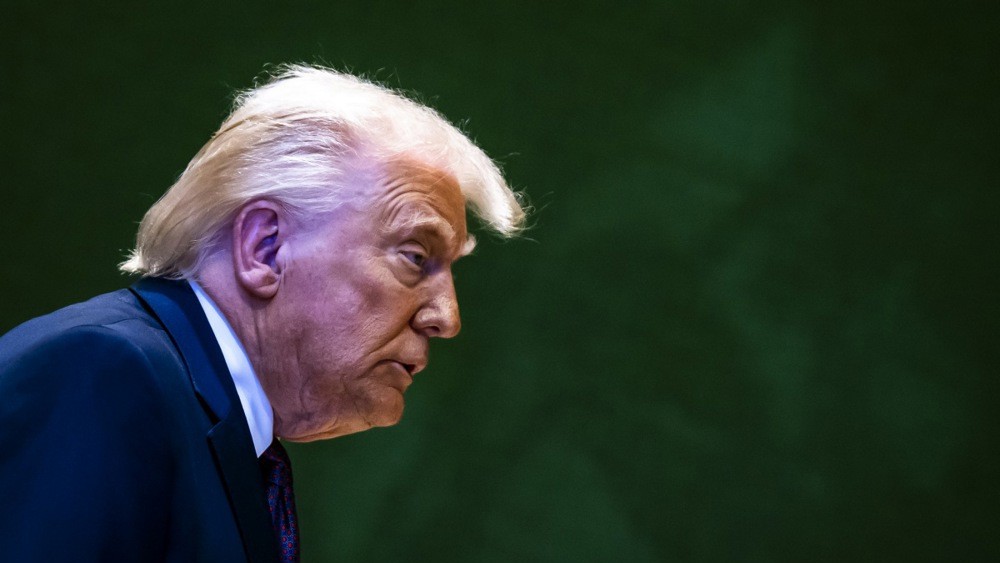
On February 20, the U.S. Supreme Court partially curtailed the use of emergency powers (IEEPA), striking down part of previously imposed tariffs. In response, President Donald Trump signed a proclamation imposing a temporary additional 10% tariff on most imports, which will remain in effect for 150 days and take effect at 00:01 Eastern Standard Time on February 24, 2026. The White House website reported this.
Legal basis and exemptions
The legal basis for the new levy is Section 122 of the Trade Act of 1974. At the same time, a number of product categories are exempted — from critical minerals and pharmaceuticals to certain electronics, as well as goods from Canada and Mexico under USMCA rules and textiles from CAFTA‑DR countries. According to the White House, this was done to soften the blow to key sectors of the economy.
"The Supreme Court's decision concerns only the constitutionality of the president's reciprocal tariffs and the tariffs related to fentanyl. The broad tariffs imposed by the president under other statutory authorities will remain in place. In particular, the existing tariffs on China, imposed under Section 301, range from 7.5% to 100% depending on the product, while sectoral tariffs under Section 232 range from 10% to 50%. These measures cover 30% of current U.S. imports."
— Jamison Greer, U.S. Trade Representative
Why it was done: the administration's rationale
According to the announcement, the new temporary tariff is a way to maintain pressure on foreign trade while preserving response tools after the court ruling. At the same time, the Office of the U.S. Trade Representative announced accelerated investigations under Section 301 into partners' practices — from excess capacity to forced labor and digital-policy issues. If violations are found, additional tariffs are possible.
What the consequences are for markets and Ukraine
Tariffs of this scale change business calculations and supply chains. Trade experts warn of risks of rising import prices, more expensive components, and delays in delivery of critical parts. For Ukraine this has several practical dimensions:
- Prices and inflation: higher U.S. tariffs can increase pressure on global energy and transport prices, which will be reflected in the cost of imports into Ukraine.
- Defense supply chains: more expensive or disrupted deliveries of certain electronics and components could affect the pace of modernization and repairs of equipment purchased through U.S. contracts or third parties.
- Export opportunities: an escalation of trade disputes between the U.S. and key partners (notably China) could change demand for certain commodity markets in which Ukraine participates (metals, agricultural products), but the exact effect will depend on potential retaliatory measures by other countries.
What to expect next
The key question is whether these temporary levies will evolve into a longer-term tariff strategy and how major U.S. trading partners will respond. If the Section 301 investigations uncover practices that warrant a response, we may see new sectoral tariffs. For Ukraine it is important to monitor the duration of the measures, the list of exemptions, and potential secondary effects on defense and critical goods supply chains.
Conclusion
The Trump administration chose an instrument that allows it to quickly restore tariff pressure after the court ruling — but this is a temporary step with potentially long-term consequences for world trade. For Ukraine the question is simple: which partners and sectors will be hit hardest, and how quickly to respond to rising import costs and risks to defense supply chains. The coming weeks will show whether these tariffs remain merely a mechanism of political pressure or become a new reality of global trade.