Life and numbers: why it’s worth paying attention
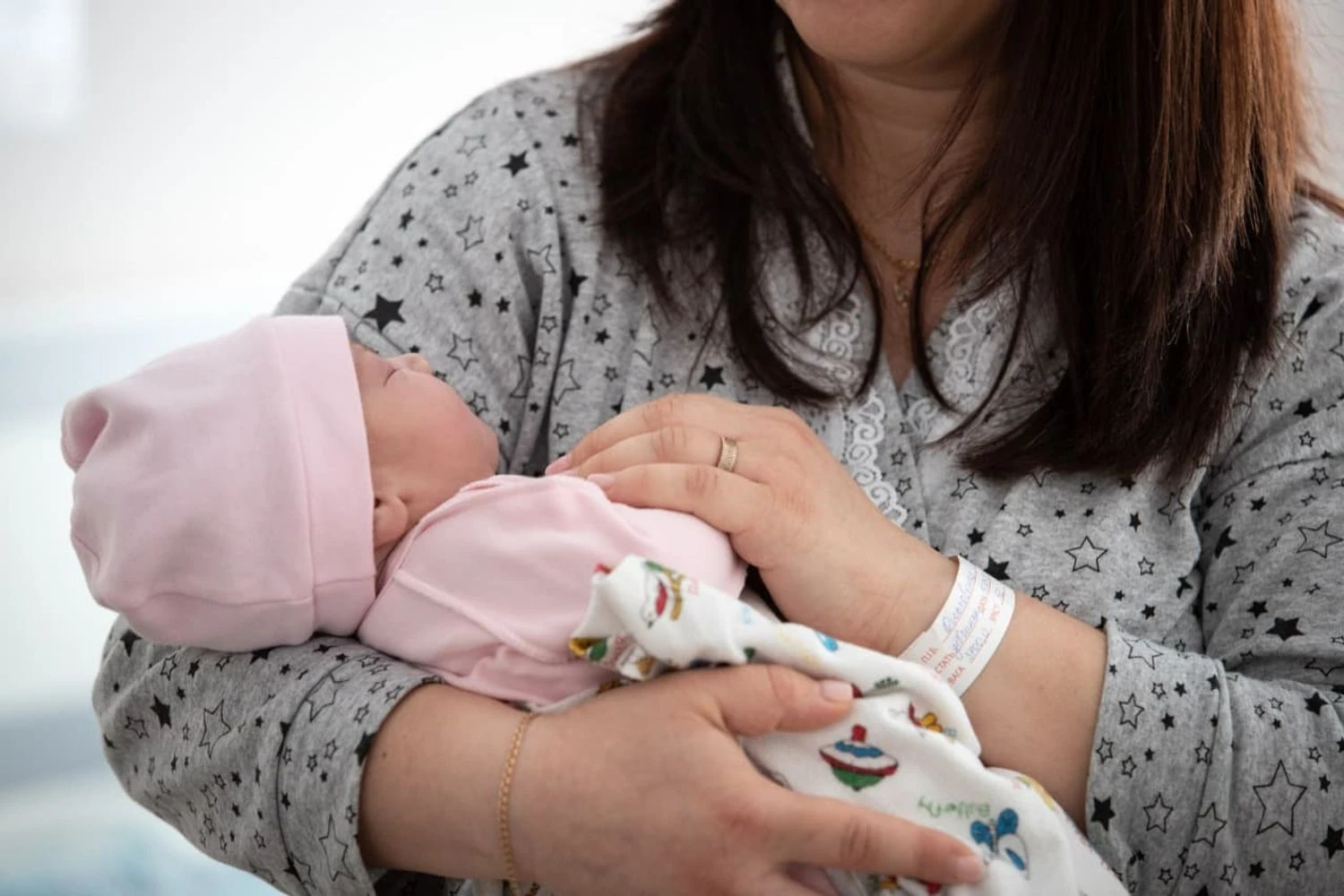
According to the Kyiv City State Administration (KCSA), citing the Department of Health (via UNN), on the night of December 31, 2025 to January 1, 2026, 12 infants were born in Kyiv’s maternity hospitals — 6 girls and 6 boys. At first glance — simple statistics. But behind them lies a faint yet important sign: a functioning healthcare system and the city’s resilience during both ordinary and holiday times.
On New Year’s night, from December 31, 2025 to January 1, 2026, 12 babies were born in Kyiv medical facilities: 6 girls and 6 boys
— KCSA, Department of Health
Key details
The first newborn was a boy, delivered at 00:01 at Kyiv City Maternity Hospital No. 1 — weight 3,140 g, length 53 cm.
The largest number of babies — 7 — were born at the Perinatal Center of the city of Kyiv: 4 boys and 3 girls. In total, 38 births were registered in the city over the 24-hour period: 17 boys and 21 girls.
For comparison: last year on this same night there were also 12 births, but the sex ratio was different — 7 girls and 5 boys.
What this implies
These figures should be read through the prism of society’s interests: safe deliveries and access to perinatal care are not a pleasant bonus but a basic function of city infrastructure. A stable number of births on a holiday night indicates that medical institutions were operating without significant disruptions and that staff were prepared for the workload. Medical professionals and industry analysts traditionally view such indicators as a marker of the healthcare system’s operational status.
Brief summary
Twelve infants on New Year’s night — both statistics and a symbol. It’s about the continuation of life and about the tasks facing the city: to turn the current figure into long-term investments in child healthcare, support for young families, and the creation of conditions in which each of the 1,000 little stories will have a chance at a dignified start.
Whether these figures will become a reason for planning and allocating resources is a question for city authorities and society at large.