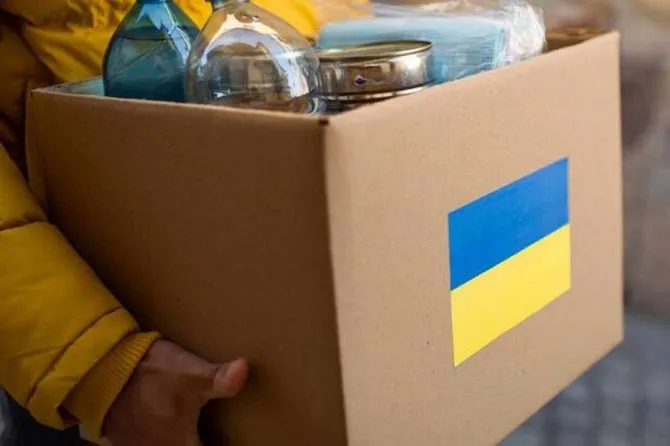
One shipped package can have three countries of origin and five participating organizations. That's what the next shipment from the Irpin-based NGO "Foundation of Good Deeds" looks like — and this is not an exception, but a working scheme in the third year of the war.
Route: France → Irpin → frontline
Part of the medicines for shipment were collected by volunteers in France. The NGO "Vozlyubi" delivered them to Ukraine — and from there the "Foundation" sent the medicines further, to the polygon. This is a typical example of how an international volunteer network closes through a local hub: one organization collects, another delivers, a third distributes.
Who else is in the chain
Camouflage nets were woven by women-internally displaced persons from the volunteer organization "Spravzhni" — and they were also included in the shipment. This is not just "aid to the front": internally displaced persons who lost their homes due to occupation or evacuation manufacture protective equipment for those holding back further advancement. A closed circle of mutual support that holds together without state funding.
Separate packages with treats and hygiene products for soldiers building fortifications, and sweets for field medics were sent — as a material sign of gratitude to people whose work rarely makes headlines.
Logistics without a budget
Part of the shipments were able to be made through the "Humanitarian Nova Poshta" program — this means delivery without additional costs to the organization. According to the head of the "Foundation" Nadiya Filimonova-Skrypka, the NGOs "Podykh svobody" and "Yednist svitu" also joined the initiative.
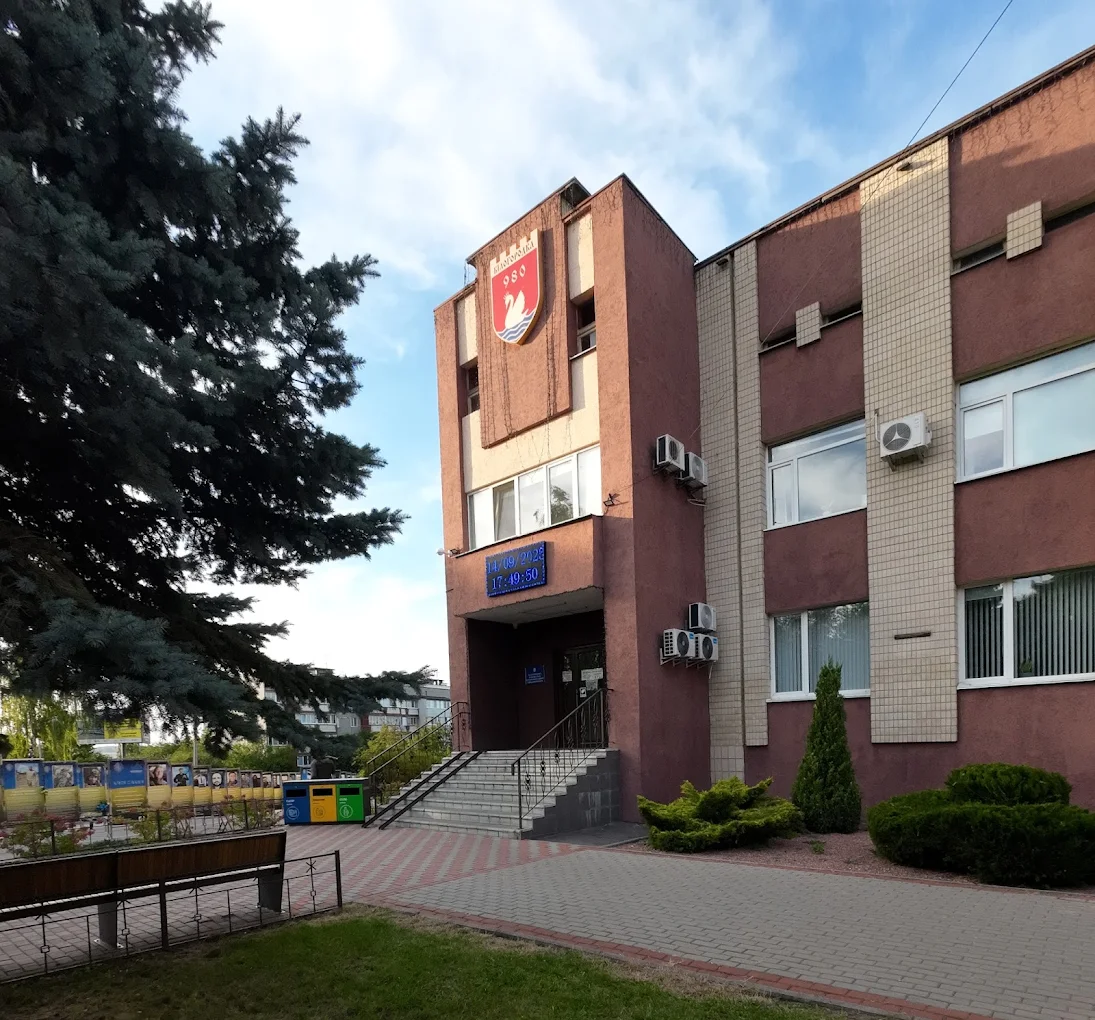
"Foundation of Good Deeds" is based in Irpin — a city that had just experienced occupation at the beginning of the full-scale invasion. Volunteer activity there has a concrete personal context.
Opendatabot, organization registration data
What this means on a larger scale
Similar networks are not an exception: according to volunteer initiatives across Ukraine, in 2025 alone, hundreds of kilometers and thousands of units of camouflage nets were sent to the front. The Irpin "Foundation" is one of hundreds of organizations supporting this parallel logistics alongside the state system.
The question that remains open: is the volunteer network sufficient to compensate for the deficit in state supplies in areas where fortifications are being built — and when will this function finally become systemic, rather than depending on whether a volunteer in Paris can be found with an extra box of bandages?