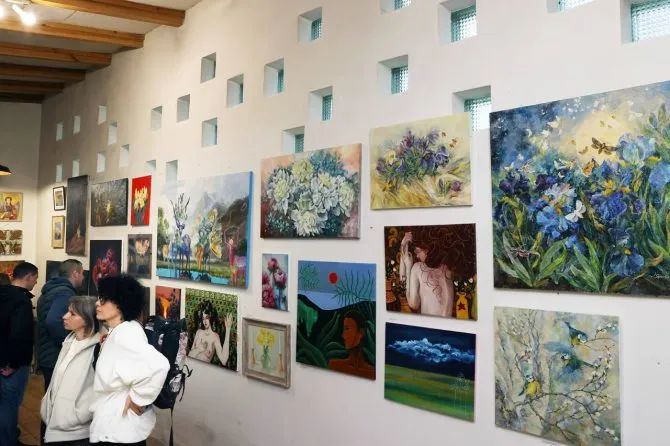
In a city where over 1,600 buildings were destroyed in 2022, exhibitions are now opening. On April 11, the art space "Lisova, 3" in Irpin is holding an open house for the exhibition "Blossoming in Darkness" — an exposition created to mark the 4th anniversary of the city's liberation from Russian forces.
Nearly 40 authors — and no curator from above
The exhibition brings together works by about 40 artists from Irpin and other cities in Ukraine. Painting, graphics, artistic ceramics, photography, mixed media — the format is deliberately non-uniform. This is not a thematic selection with a single message, but a cross-section of what artists were creating in parallel with the city's reconstruction.
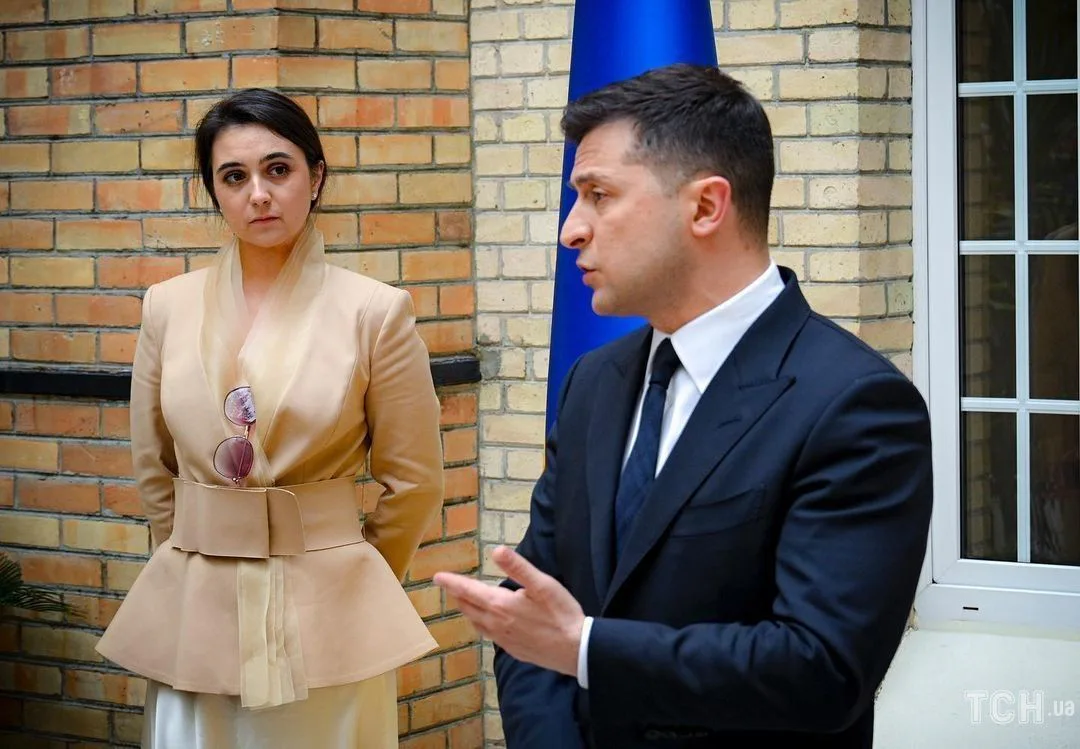
Irpin emerged from occupation in late March 2022 — after four weeks of fighting that effectively halted the Russian advance on Kyiv. According to TSN, the ruins are gradually disappearing, but reconstruction continues.
"By spring 2022, they were cozy suburbs of the capital, but became strongholds that saved Kyiv".
TSN, report on the 4th anniversary of the liberation of Kyiv region
Admission — neither free nor paid
The exhibition can be visited from 4:00 PM to 8:00 PM. Admission is by donation to support the Armed Forces of Ukraine: the amount is voluntary, the decision is personal. This is a model that Ukrainian cultural spaces are increasingly choosing instead of a fixed ticket price: it lowers the entry barrier while leaving the moral choice to the viewer.
Art space as a fact of reconstruction
"Lisova, 3" exists in a city where three years ago it was being decided whether Kyiv would remain the capital. The fact that a full-fledged art space with an exhibition program has appeared here is in itself evidence, not just decoration for the anniversary.
The name "Blossoming in Darkness" may sound like a cliché — but it accurately describes the chronology: artists returned to work in the destroyed city and created not after victory, but during the ongoing war.
The practical question this exhibition raises is: will the art space in Irpin become a permanent institution — or will it remain a series of anniversary events while the city awaits its post-war future? The answer depends on whether a regular program and sustained funding emerge behind these one-time exhibitions.