Pervomaiske is the largest open-air museum in Ukraine and one of the largest in Europe. It represents all historical regions of the country: Polissia, Podilia, Slobozhanshchyna, and the Carpathians. But one piece of land stood empty for decades. Not due to lack of funding — but because of Soviet prohibition of memory.
What Was Missing from Pervomaiske for 50 Years
The museum was built in the 1970s–80s — precisely when, after the 1944 deportation, Soviet authorities effectively removed Crimean Tatars from the official cultural map of the USSR. A Crimean Tatar homestead in the open-air museum simply could not appear: the people whose architecture it was supposed to represent officially "did not exist."
"Some wise man who planned this place left this piece of land undeveloped. And we understand that this place wasn't empty for nothing."
Oksana Povyakel, General Director of the National Museum of Folk Architecture and Life of Ukraine
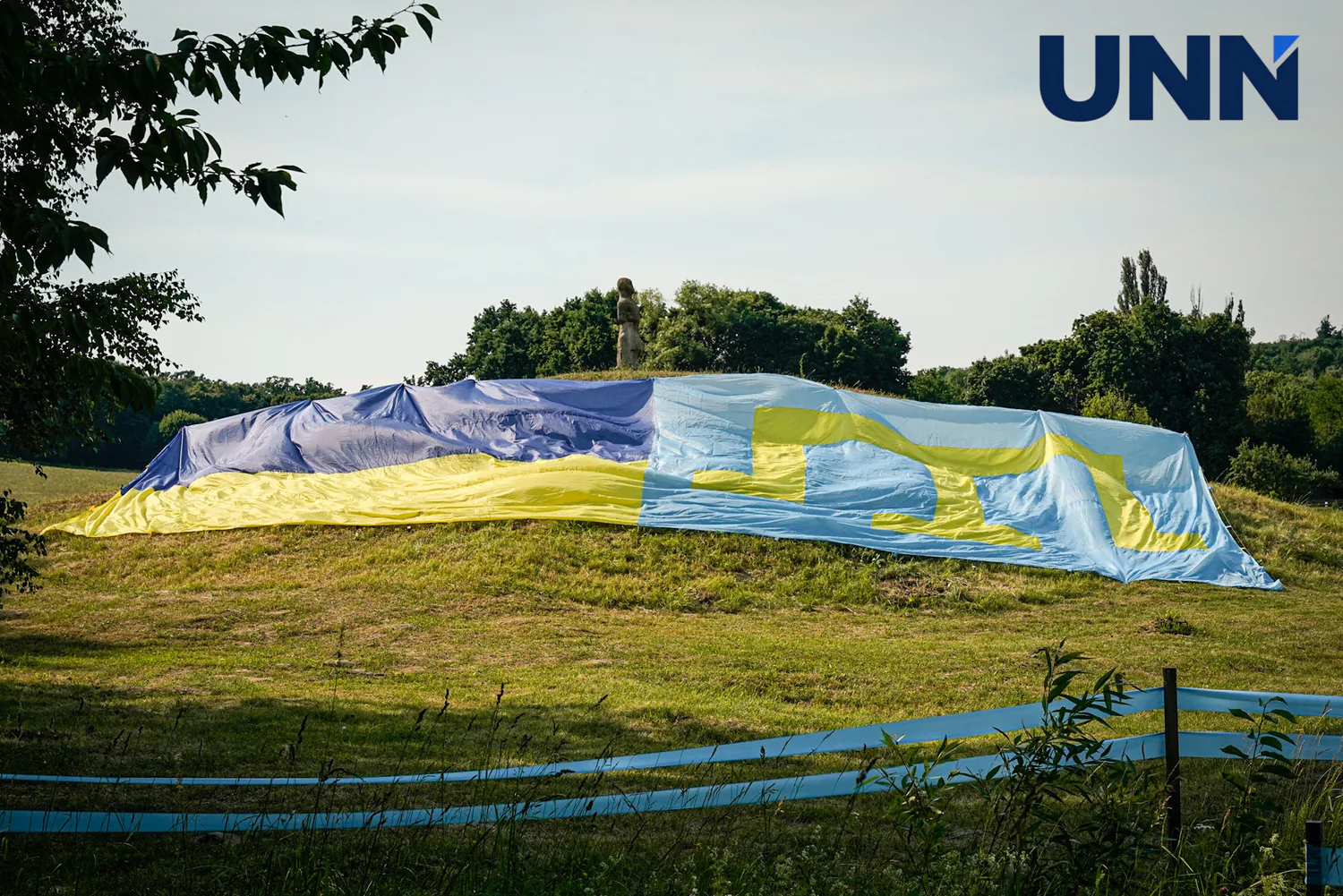
On June 26, on Crimean Tatar Flag Day, this plot finally received its purpose: the first foundation stones of the future exhibition "Crimean Tatar Homestead" were laid here. Sand brought from Crimea was scattered into the foundation.
Nine Homesteads — and an Intentional Pause
In total, the allocated plot is planned to have 10 authentic homesteads that will reproduce Crimean Tatar architecture, regional plants, and way of life. But the tenth one is intentionally the last. It will be built only after the deoccupation of Crimea: this was written into the project concept from the very beginning.
The Crimean Tatar community, Baker Tilly Ukraine company, the State Enterprise "Crimean House," and the "Crimean Front" initiative were involved in the realization. The first trees planted on the site were yews — trees considered a symbol of Ukrainian Crimea.
What This Means Beyond the Ceremony
Open-air museums are not merely tourist attractions. In Baltic countries, open-air museums were used as a tool for preserving identity under occupation and after it. The appearance of a Crimean Tatar homestead in Pervomaiske fixes the presence of a people in the state cultural space of Ukraine — something that did not exist even before 2014.
The project does not have full state funding: it is being implemented on a partnership basis. This means that the construction pace will depend on whether private partners' interest is preserved after the completion of symbolic ceremonies.
If the first nine homesteads are completed before deoccupation — the tenth will become not just an architectural object, but a political gesture of return. But only if the project does not stop at the level of a laid stone and sand.