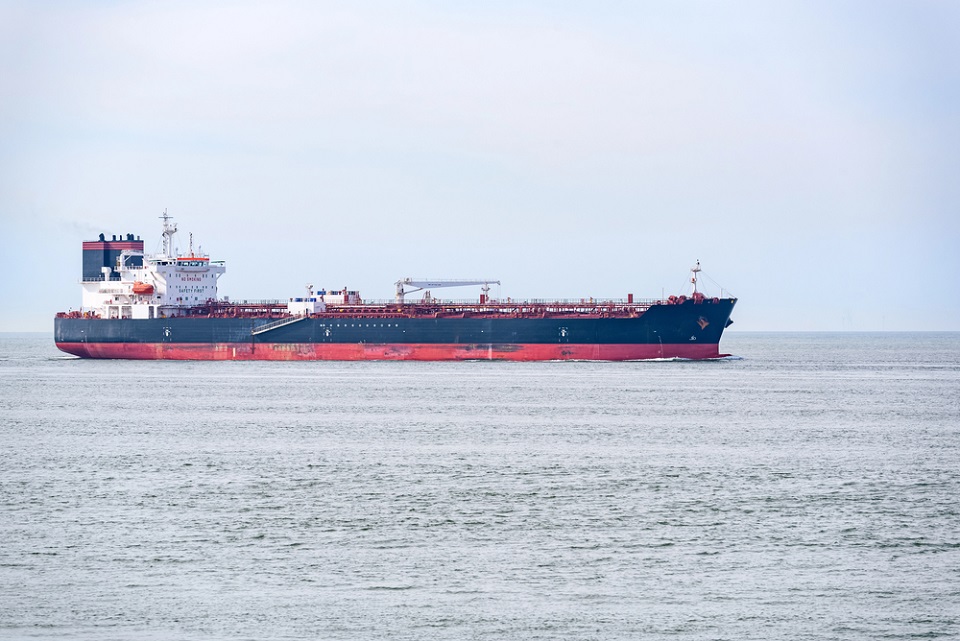
On July 22, President Zelensky confirmed new strikes on a Russian tanker and four cargo ships in the Black and Azov Seas. However, behind the figures of a single day lies a more systemic picture.
What is actually happening
Robert "Madyar" Broydi, Commander of Unmanned Systems Forces, disclosed the overall count: since July 6, 196 Russian vessels have been damaged. This figure includes tankers, cargo ships, tugboats, and floating cranes.
"Objective: irreversible paralysis of oil, fuel, and cargo logistics circumventing sanctions. To turn every self-propelled vessel into a drifting barge, blind and deaf."
Robert "Madyar" Broydi, Commander of Unmanned Systems Forces
A key detail: the vessels are not sunk. They are disabled — without oil spills, but also without propulsion.
Why a "small" tanker matters more than a large one
As Broydi himself explained, the main target is the so-called feeder fleet: shallow-draft tankers with a deadweight of approximately 7,000 tons that operate through the Volga-Don Canal and the Azov Sea. These are the vessels that deliver oil from Russian port loading facilities to large ocean-going tankers. Without this "last mile," the export chain breaks down regardless of how many giant ships are stationed in the Mediterranean.
By estimates, each such tanker carries about 7,000 tons of fuel — equivalent to approximately 200 railway tank cars. Disabling dozens of such vessels per week deprives the occupying forces of hundreds of thousands of tons of fuel.
Scale of the campaign
- On the night of July 8 — 9 tankers in a single sortie in the Azov Sea.
- Over 12 days until July 17 — 159 vessels in total.
- By July 22, the count rose to 196.
In numerical terms: this is a pace of over four vessels per day for nearly seven consecutive weeks.
The sanctions dimension
The shadow fleet exists precisely because it circumvents G7 and EU restrictions on insurance and transshipment of Russian oil. As the SBU noted after the destruction of the tanker Avero, it "was used for transporting Russian raw materials under conditions of oil embargo." Each vessel disabled is one fewer in the scheme that Moscow has been building since 2022.
Navy spokesperson Dmytro Pletenchuk clarified the objective succinctly: destruction of military logistics and undermining of economic potential. Not a show of force — a functional result.
What's next
Russia has a physical reserve of fleet vessels: it cannot replace 196 ships simultaneously, but redirecting some through alternative routes is feasible. The question that will determine the campaign's effectiveness is: can Ukraine sustain this pace of strikes longer than it takes Russia to reorient its oil logistics toward rail and overland routes?