Key facts
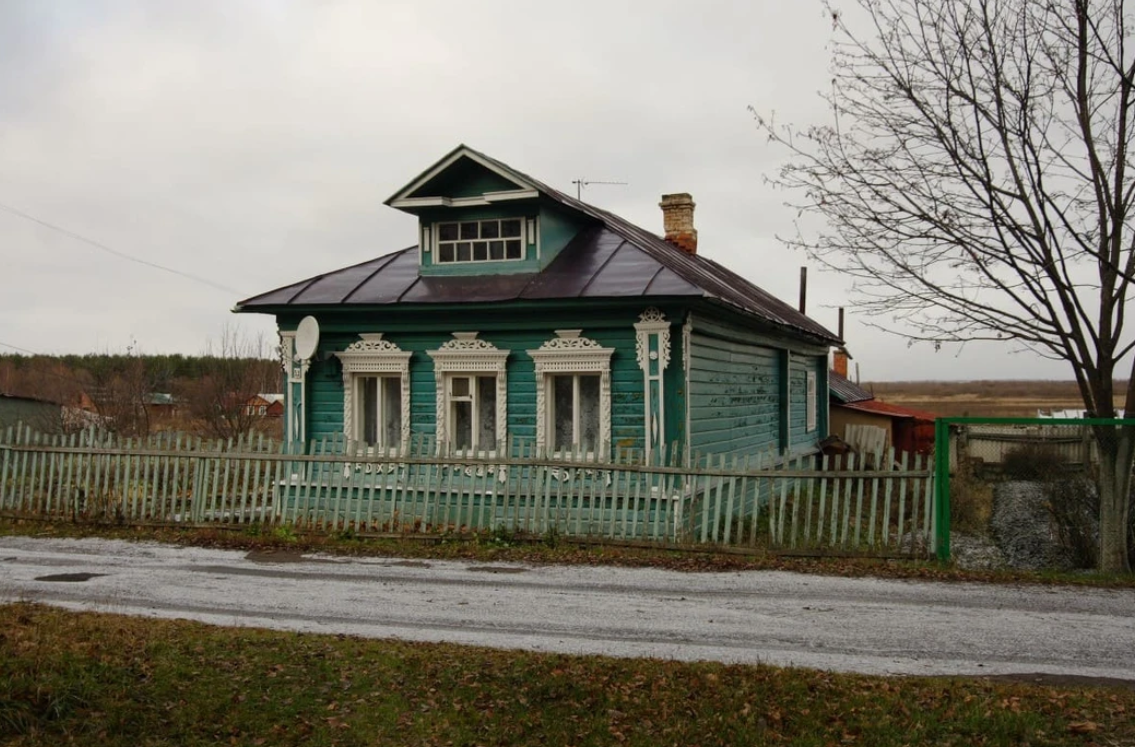
According to the Foreign Intelligence Service, at least 266 settlements disappeared in Russia in 2025. Most of them were effectively uninhabited at the moment of "liquidation." The largest number of cases was recorded in the Kostroma and Novgorod oblasts — together they accounted for about three quarters of all liquidated settlements. Third in the ranking was the Perm Krai, where, according to intelligence data, both the disappearance of villages and deliberate programs to resettle small settlements into larger centers are being registered simultaneously.
Why this is happening
The official procedure — the legal formalization of decline — effectively cements what has already happened: outflow of people, lack of healthcare, schools and jobs in remote villages. Demographic inequality between large agglomerations and the provinces is growing, and declarations about "reviving the provinces" in documents such as the so‑called "General settlement scheme" often lack resource backing.
Economic and political context
This process cannot be separated from the broader picture: the Russian economy is under pressure both from structural problems and from enormous war expenditures. Official Russian data record a decline in industrial production (especially noticeable in the manufacture of agricultural and industrial equipment, such as tractors). By estimates, the war against Ukraine has cost Russian taxpayers roughly $550 billion — an amount comparable to decades' worth of budgets for education or healthcare. This illustrates a simple logic: when resources are diverted to military purposes, provincial infrastructure is underfunded.
"As a result, Russia demonstrates a systemic decline outside a few large agglomerations: depopulation, the dying out of villages, and the development gap are only growing, while loud programs remain paper decorations to a reality that is rapidly emptying."
— Foreign Intelligence Service
Consequences for Ukraine and regional security
For Ukraine, these data have several practical dimensions. First, prolonged degradation of the neighbor means internal tension in border regions and an increased risk of social and administrative shocks that the Kremlin may try to resolve with forceful or propagandistic instruments. Second, the diversion of resources from civilian development to the military weakens the long‑term resilience of the Russian economy — this is an important factor in strategic planning for the medium and long term.
What next
This is not just statistics — it's an indicator of the regime's priorities. Demographic decline in the provinces, combined with significant military expenditures, creates a field for new instability within Russia. Ukraine should take these signals into account in foreign policy and defense planning: information about the neighbor's decline helps better assess its capabilities and potential risks at the border and beyond.
The question that remains open: how will international partners and Ukrainian strategy use these facts — as an argument for strengthening regional resilience and weakening the Kremlin's imperial ambitions, or as just another statistic in the long list of problems accumulated over years of war?





