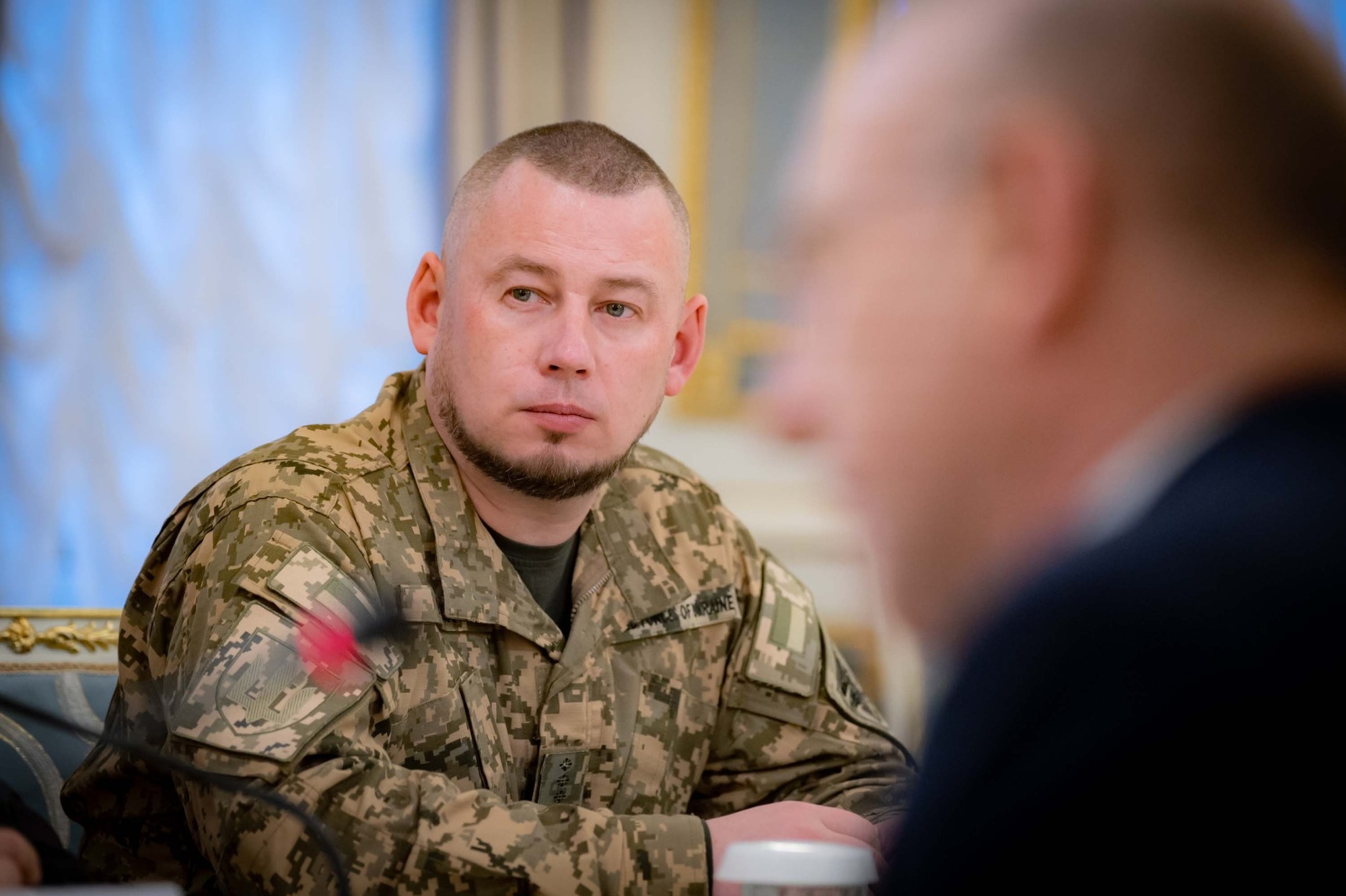
Deputy Chief of the Presidential Office, Brigadier General Pavlo Palisa, in an interview with RBC-Ukraine, cited a figure that translates abstract "heavy losses" into a concrete metric: 316 killed and wounded per occupied square kilometer of Donetsk region — this indicator was recorded in the first quarter of 2026 on the sector from the Lyman to Aleksandrivsk direction.
On the main offensive directions, this figure is twice higher than last year's level. And the average losses across the entire line of contact in the Donbas have, according to Palisa, increased by almost threefold.
"Comparing the main offensive directions of last year and today, there is an increase of almost twofold. And their average losses across the line of contact in the Donbas have increased almost threefold."
Pavlo Palisa, Deputy Chief of the Presidential Office, interview with RBC-Ukraine
What does this figure mean in context
The metric of "losses per square kilometer" is not a standard ISW metric, but it reflects a real problem for Moscow: high attrition with low breakthrough depth. According to ISW's assessment, over four months of 2025, Russia on average lost approximately 99 fighters per captured kilometer — and even then analysts noted that maintaining such a pace in the medium term is questionable. Palisa's figure for the first quarter of 2026 is three times higher than the average for the entire Donbas last year.
At the same time, ISW states: despite disproportionate losses, in 2025 Russia occupied over 4,000 square kilometers and did not stop. High cost in itself is not a restraining factor if the mobilization resource continues to be replenished.
Drones change the cost structure
Palisa also revealed another indicator: Ukraine is currently using 30% more strike drones than the adversary, and the share of fiber-optic drones among the total number of strike UAVs in the AFU is 32% compared to 24% for the Russians. This is a technological advantage that directly impacts the cited loss statistics — stopping infantry in the field is becoming increasingly expensive.
- 316 — Russian killed and wounded per 1 km² of Donetsk region (Q1 2026)
- ×3 — increase in average losses across the line of contact in the Donbas year-on-year
- +30% — AFU advantage in the use of strike drones over RF
Why Palisa is saying this now
The context of the statement is Moscow's threats to completely occupy Donetsk region. According to Palisa's own assessment, to capture the 6,000 km² that remain under Ukrainian control in the region, Russian forces would need approximately one and a half years — and only if the current rate of advance is maintained. The public calculation of the price is intended to show: the Kremlin's stated deadlines are rhetoric, not operational reality.
The question that remains open is: if Russia continues its recruitment campaign at the pace of 2024–2025 and arrives at the line of contact with sufficient personnel — will the threefold increase in the cost per kilometer stop real progress, or only slow it down?





