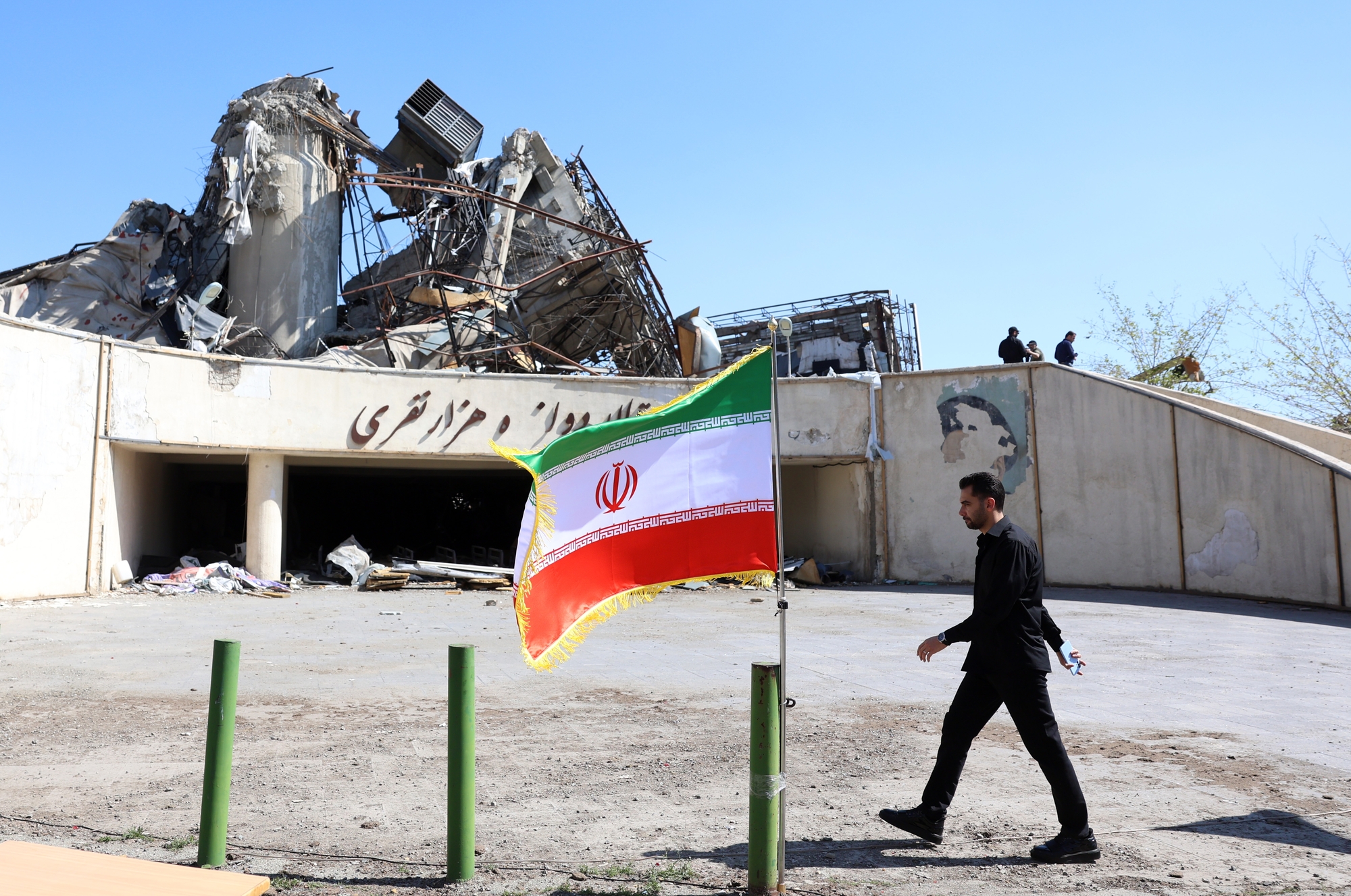
U.S. Special Envoy Steve Witkoff and Iranian Foreign Minister Abbas Araghchi are exchanging text messages. Pakistan, Egypt, and Turkey shuttle between the parties. According to Axios, citing four American, Israeli, and regional sources, a two-phase deal is on the table: 45 days of ceasefire, during which the parties would agree on a permanent end to the war.
Context: Why Now
April 6, 2026 is a deadline Trump set for himself. Earlier, he threatened to resume strikes on Iranian energy facilities and gave Tehran a 10-day pause "at the request of the Iranian government" — or so he phrased it in a Truth Social post. According to NPR, Pakistan's interior minister held a secret meeting with the Iranian ambassador in Islamabad to preserve a window for dialogue.
In parallel, on April 1, China and Pakistan presented their own initiative — a five-point plan that envisions an immediate ceasefire and resumption of shipping through the Strait of Hormuz. As Pakistani Foreign Minister Dar told Axios, the idea matured during his bilateral meeting in Beijing. Trump commented tersely: "negotiations with Iran are going well" — and refused to discuss details.
What Is Being Proposed and What Is Not Being Agreed Upon
Phase one is a 45-day ceasefire with the possibility of extension. Phase two is an agreement on the end of the war. According to Axios sources, two key issues — the complete opening of the Strait of Hormuz and the fate of Iran's highly enriched uranium (export or dilution) — are deliberately left out of the first stage: realistically, they can only be resolved as part of the final agreement.
The American side has sent Tehran several proposals over recent days. The Iranian side has not accepted any of them yet. Sources estimate the chances of a deal within the next 48 hours as minimal.
"There are currently no negotiations."
Abbas Araghchi, Iranian Foreign Minister — NBC News
This is not merely diplomatic rhetoric. Araghchi publicly rejects the very word "negotiations," instead acknowledging "exchange of messages through intermediaries." A similar semantic game already occurred in June 2025, when the Iranian side denied a ceasefire agreement that Trump announced on Truth Social — yet the ceasefire took effect anyway.
Who Is Interested and Why
For Trump, a deal is a way out of a situation he created himself: a deadline, public threats, but also a clear unwillingness for further escalation. After strikes on Iran's nuclear facilities in summer 2025, Brent oil prices reached $166 per barrel; resumption of shipping through the Strait of Hormuz is a direct economic stake.
For Tehran, it is time. New Supreme Leader Mojtaba Khamenei has avoided public appearances since his father's death, and Iranian Parliament Speaker Ghalibaf stated directly on March 29 that Iran "cannot be forced to capitulate." At the same time, Araghchi acknowledged on Meet the Press that Russia is helping Iran "in many directions" — which explains why Tehran can afford to drag things out.
- Pakistan and Turkey — primary channels of communication between the parties, interested in regional stabilization.
- China — the largest importer of Iranian oil, joined the initiative together with Pakistan; has a direct economic interest in opening the Strait of Hormuz.
- Israel — maintains a "plan for forced compliance": strikes in case Iran attempts to resume its nuclear or missile program, which makes any agreement unstable without Israeli guarantees.
The Real Conflict
Negotiations are taking place between parties that publicly deny their existence, through intermediaries who lack a mandate from all conflict participants — notably, Israel is not mentioned even once in the Pakistan-China initiative. A deal without Israeli participation or Tel Aviv's tacit consent is technically possible — but fragile from day one.
If by April 6 the 45-day format is not agreed upon, Trump will face a choice: either extend the deadline for a third time — and definitively lose his leverage — or resume strikes, risking the escalation that he appears to be trying to avoid.





