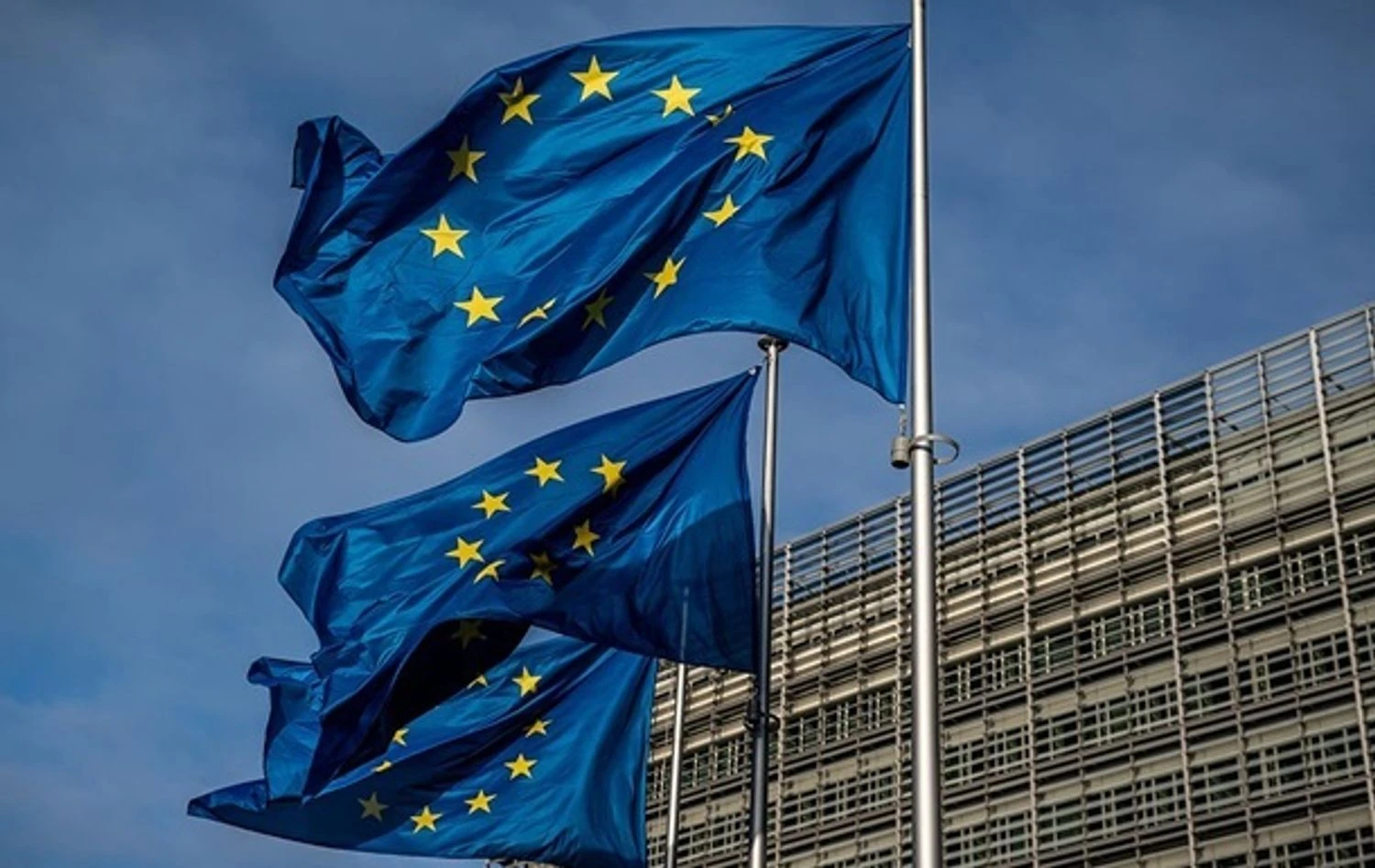
The EU Council has adopted another "mini-package" of restrictive measures against Russia. Behind the standard formulation about "aggressive war" and "international law" lies the concrete anatomy of pressure: seven individuals and 21 organizations linked to Russia's military-industrial complex and its intermediaries in third countries, plus two individuals and 24 organizations from the so-called shadow oil ecosystem.
Shadow Fleet: From Ships to the Entire Chain
The novelty of this package is not merely an expansion of the ship list, but a strike against the infrastructure for sanctions circumvention. The restrictions target maritime registries that provide flags of convenience to shadow fleet vessels, creating the illusion of compliance with international requirements. Among the specific targets is Litasco Middle East DMCC, a subsidiary of Lukoil in the UAE, which served as a key intermediary for the shadow fleet.
The total number of vessels under EU sanctions approaches 600. In parallel, they are banned from entering EU ports and using a broad range of maritime services — from insurance to technical maintenance.
"Schemes to circumvent sanctions through the shadow fleet pose a threat not only to the sanctions regime but also to maritime safety and the environment."
EU Council
The Figure Not Mentioned in Headlines
Since the introduction of an oil price cap and sanctions against the shadow fleet, Russia's corresponding revenues have decreased by €38 billion. Russia's oil revenues in March 2025 were 13.7% lower than in March 2023, and 20.3% lower than in March 2022 — even before the full-scale invasion.
However, the EU itself notes: Russia is actively diversifying its circumvention schemes. New instruments have emerged — in particular, the stablecoin A7A5, created with the support of the Russian state and used to finance activities supporting the war.
Military-Industrial Complex and Third Countries: The Chinese Dimension
The sanctions list includes enterprises supplying components for drone production through third countries. Among them is the Chinese company Xinxiang Richful Lubricant Additive Company and another company from Shenzhen. This is a sensitive moment: the EU is effectively pressuring Beijing through sanctions lists without entering into open diplomatic confrontation.
- Military-Industrial Complex and Intermediaries: 7 individuals and 21 organizations, including research institutions (Lavochkin, ERA technopolis, Advanced Research Fund)
- Shadow Oil Ecosystem: 2 individuals and 24 organizations, including maritime registries and oil traders from the UAE, Vietnam, and Russia
- Crimea Sanctions: separately extended until June 23, 2027
The 21st package — more extensive and comprehensive — is planned for later this summer. It is intended to close the gaps that the "mini-package" currently patches.
The key question remains open: are €38 billion in losses enough to change the Kremlin's strategic calculations, or does it only force it to seek new schemes faster? The answer will emerge if the 21st package strikes at cryptocurrency infrastructure and Chinese intermediaries simultaneously — and if the G7 acts in coordination.





