On Sunday, May 17, Axios published a story based on classified intelligence data: Cuba has been purchasing strike drones from Russia and Iran since 2023 and has already deployed them at strategic points across the island. The total number is over 300 units. In parallel, Cuban military officials have begun internal discussions about scenarios for strikes against the U.S. military base in Guantanamo, U.S. naval ships, and Key West — a city in Florida located 144 kilometers from Havana.
Experience bought with blood in Ukraine
The most important context that remained outside the scope of most headlines: according to the U.S. State Department, up to 5,000 Cuban military personnel fought on Russia's side in Ukraine. Moscow paid the Cuban government approximately $25,000 for each fighter. These soldiers returned with first-class practical experience in drone warfare — the very kind that has turned the front line into a continuous conveyor belt of unmanned attacks.
Separately, Iranian military advisors are present in Havana. According to a senior American official, it is precisely the combination of Iranian technology, Russian weapons, and combat experience gained in Ukraine that makes the Cuban arsenal a qualitatively different threat than what existed before.
What Washington did before publication
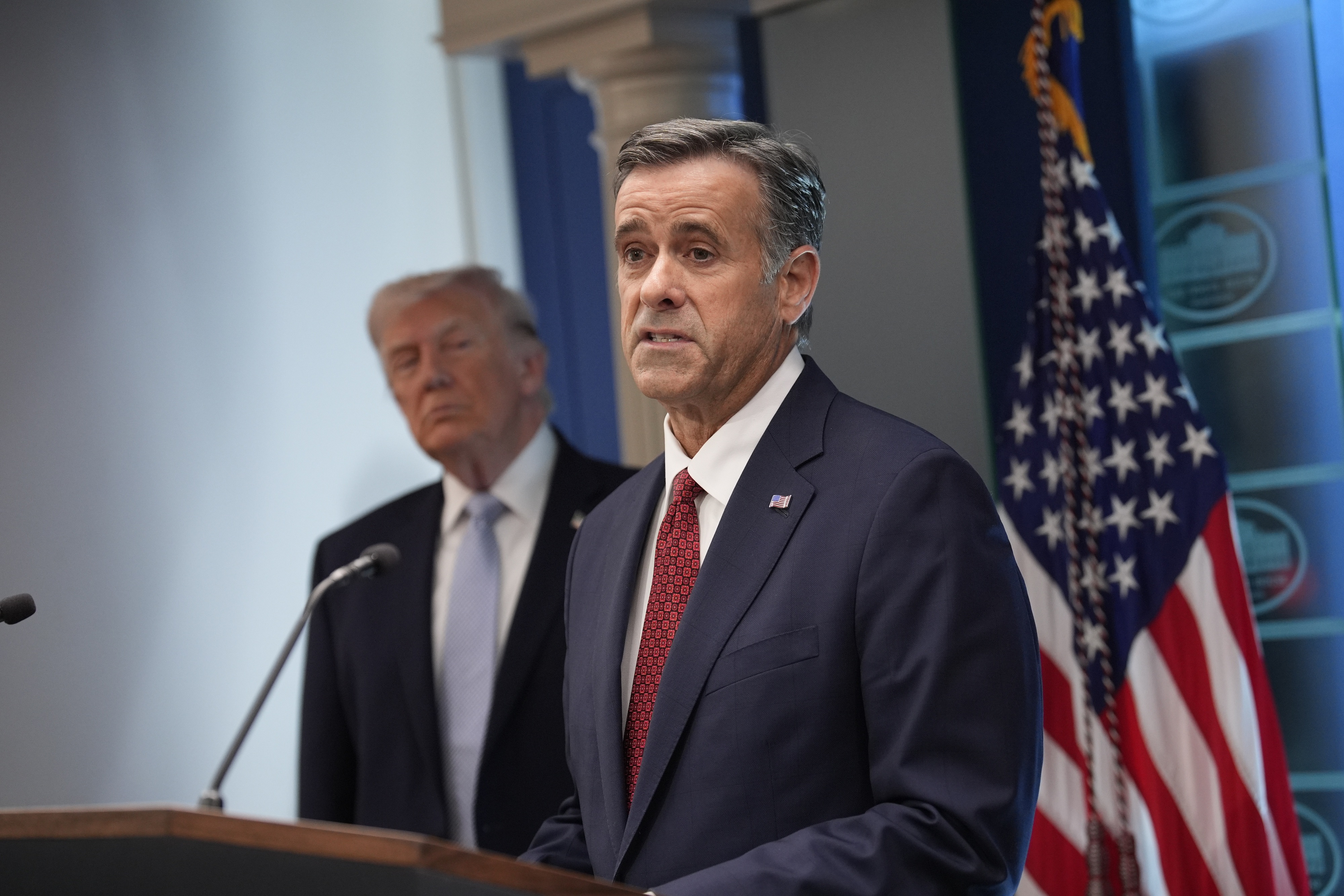
Two days before the Axios article was published, CIA Director John Ratcliffe personally flew to Havana. According to La Voce di New York, he met with Cuba's interior minister, the head of Cuban intelligence, and a grandson of Raúl Castro. Ratcliffe directly warned that Cuba "can no longer be a platform for hostile actors in the Western Hemisphere."
"When we think about these technologies so close, and about a set of bad actors — from terrorist organizations to drug cartels, Iranians, Russians — this is not a reality we can accept."
— Senior Trump administration official, Axios
Cuba responded by providing documents intended to prove that the island "does not pose a threat to U.S. national security." Meanwhile, according to en.cibercuba.com, the U.S. has imposed over 240 sanctions against Cuba since January 2026 and intercepted at least seven tankers.
Drones 90 miles away — this is not about Cuba libre
American officials emphasize: Cuba does not pose an immediate threat and is not actively planning attacks. Strike scenarios are tied to a condition — a substantial deterioration of relations with Washington. But the very fact of discussing such scenarios changes the logic of deterrence.
- Cuba has no operational combat aircraft — but drones do not require pilots.
- Cuba cannot block the Florida Strait the way Iran closed the Strait of Hormuz — but 90 miles allow an attack with short warning time.
- The U.S. is already conducting reconnaissance flights of P-8A Poseidon, RC-135V, and MQ-4C Triton aircraft near Cuban shores — the same platforms that monitored Iran before strikes.
In parallel, the Department of Justice is preparing charges against 94-year-old Raúl Castro — on drug trafficking allegations. The public declassification of drone data at this particular moment is assessed by American analysts as part of a broader pressure campaign, rather than as a neutral intelligence warning.
If Washington truly views the Cuban drone arsenal as casus belli, rather than as a reason for negotiations — the next indicator will be whether American air defense ships appear near Florida by the end of May.





