On Friday evening, the US Department of Treasury quietly published a document that contradicted the words of its own head, spoken 48 hours earlier. General License 134 — a permit to purchase Russian oil without sanctions risks — was extended for another 30 days, until May 16.
On Wednesday, speaking at a White House briefing, Treasury Secretary Scott Bessent clearly stated: "We will not be renewing the general license on Russian oil". The administration did not publicly explain the reversal. An anonymous source cited by Scripps News suggested that the request came from partner countries — Asia is experiencing an energy crisis due to the closure of the Strait of Hormuz following a US strike on Iran.
What this license means in practice
The first version of GL-134 appeared in March — simultaneously with the Iran crisis and the closure of the Strait of Hormuz, through which a fifth of the world's oil passes. The consequences for Russia were immediate: daily oil export revenues doubled — from $135 million in January to $270 million in March. Analysts calculated that if prices hold steady, Russia's annual oil and gas revenues will reach $180 billion — three times what the Kremlin earned in winter 2025–2026.
This is a stark contrast to what was happening just months earlier. At the beginning of the year, Russia was experiencing the worst fiscal period since the start of the full-scale invasion: oil and gas revenues fell 50% year-over-year, the deficit for the first two months reached $42 billion, and the government was preparing to cut non-military spending by 10%. Sanctions appeared to finally be working.
Reaction: "shameful" and "180-degree reversal"
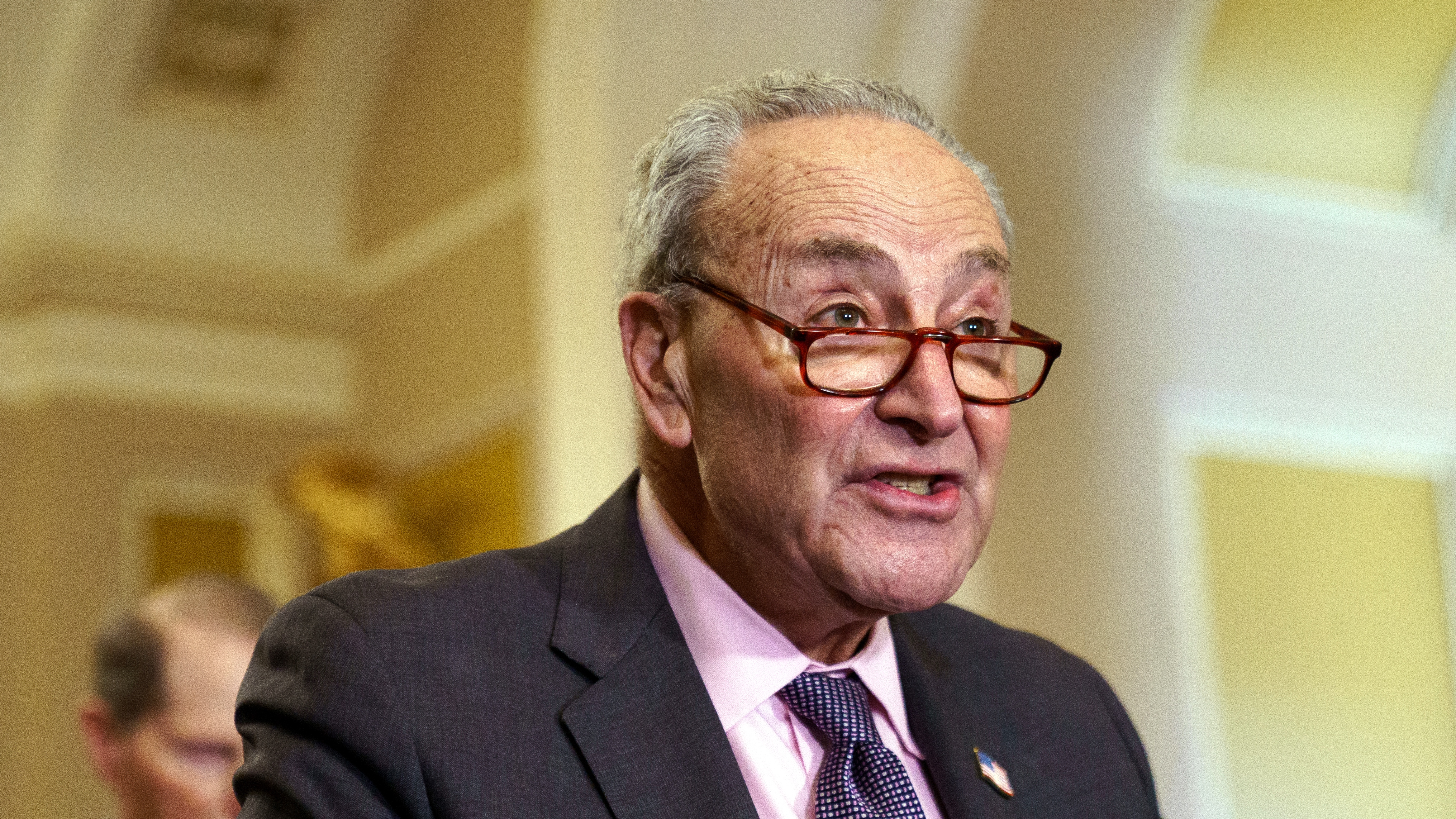
A trio of Democratic senators — Minority Leader Chuck Schumer, Banking Committee Chair Elizabeth Warren, and International Relations Committee Chair Ben Cardin — published a joint statement immediately after the decision was announced.
"This decision is shameful and represents a 180-degree reversal from Secretary Bessent's words just two days after he promised not to extend sanctions relief for Russia. Make no mistake: Putin has become one of the biggest beneficiaries of President Trump's war on Iran, as Russia's oil revenues have nearly doubled".
Joint statement by Senators Cardin, Schumer and Warren
The senators also recalled the context: the decision was made just days after Russia's largest aerial bombardment of Ukraine in 2025, which killed 18 people. "What message does this step send?" the lawmakers ask, accusing the president of allowing Putin to "pull the wool over his eyes".
Why Europe matters here
The EU and Great Britain refused to ease sanctions. However, the strategic divergence between Europe and Washington became a gift for Russian propagandists, who rushed to claim that even America has acknowledged that the world needs Russian oil.
Russia's shadow fleet — approximately 350 vessels — transports 56% of oil volumes, and 67% of all Russian crude oil is shipped outside G7 jurisdiction. This means that even full restoration of sanctions would not have the effect it could have had two years ago.
Ukraine's reaction proved eloquent without words: on Saturday, just hours after the license extension was announced, Ukrainian drones struck Russian oil refineries — according to CNN.
The key question now is not whether the license will be extended after May 16 — but whether Bessent's words will remain any signal to markets and allies next time, if the administration reverses course again within 48 hours.





