What happened
Associated Press (AP), which quotes UNN, relays the words of Oke Göttlich — president of the German club St. Pauli and a member of the German Football Association. He called to consider a boycott of the 2026 World Cup (in the U.S., Canada and Mexico) in light of statements by U.S. President Donald Trump regarding Greenland. According to Göttlich, the potential threat is now greater than during the Olympic boycott in the 1980s, and this discussion needs to take place right now.
"What were the justifications for boycotting the Olympic Games in the 1980s? By my calculations, the potential threat now is greater than it was then. We need to have this discussion. Qatar was too political for everyone, and now we are completely apolitical? That is what worries me very, very, very much"
— Oke Göttlich, president of St. Pauli
Positions and opposition
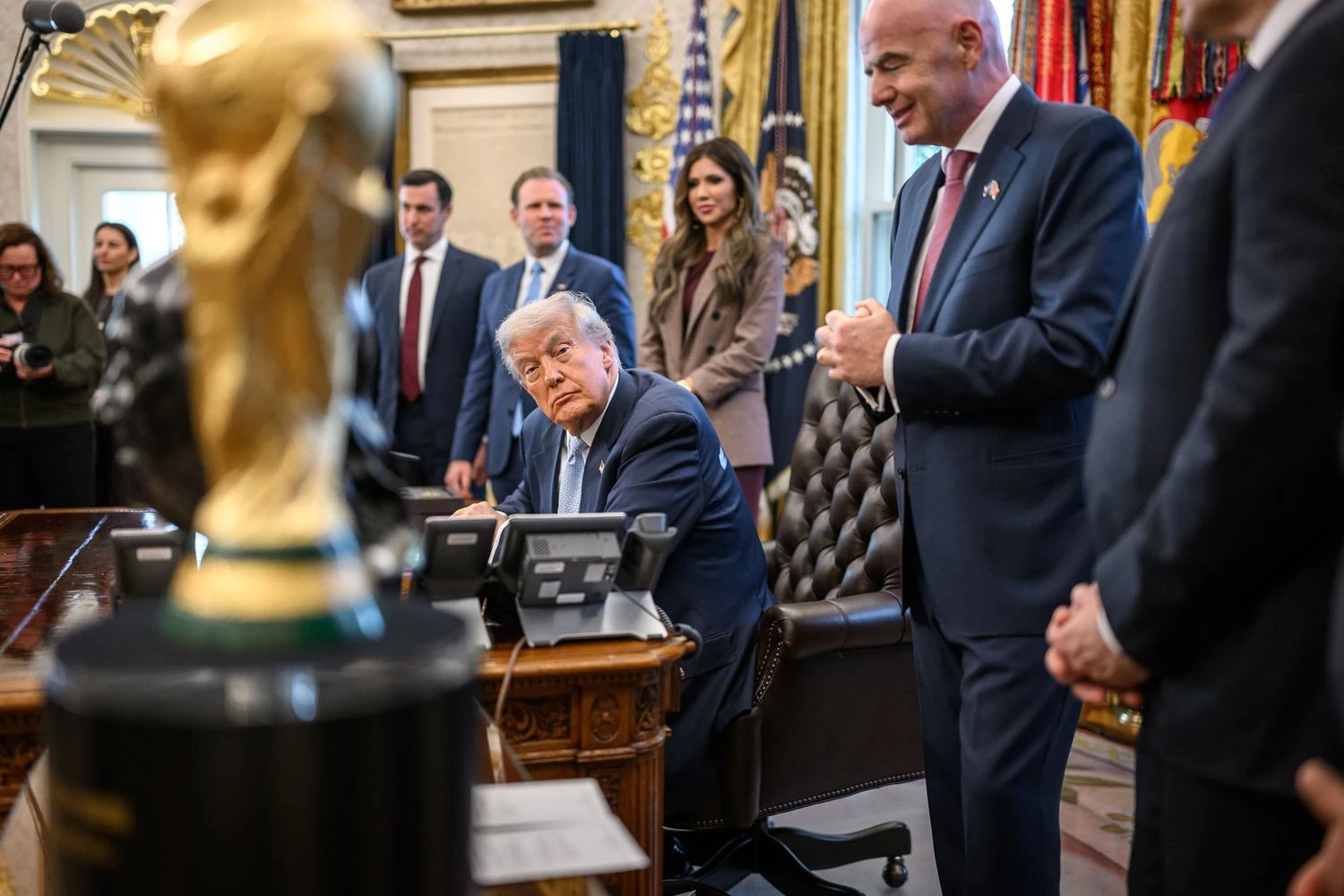
AP notes that such calls are likely to meet resistance from official football institutions: the piece mentions German Football Association president Bernd Neuendorf and FIFA president Gianni Infantino as figures who are unlikely to support the idea of a boycott.
In German political circles the debate has intensified: Jürgen Hardt, spokesman for the CDU/CSU parliamentary group on foreign policy, did not rule out the possibility of such an initiative in response to U.S. plans regarding Greenland.
Why this matters for Europe and Ukraine
At first glance this is about sport, but the scope is broader. Statements about territorial control are not merely diplomatic rhetoric: they undermine the norms that guarantee sovereignty and stability in Europe. For Ukraine this is not an abstract threat: weakening international rules creates precedents that revisionist actors could exploit.
History shows: a boycott can be a tool of pressure or a symbolic gesture. It mobilizes public attention, but its effectiveness depends on the breadth of the coalition — political leaders, federations and fans must agree on the risks and benefits.
What next
The most likely scenario is a heated domestic debate in Germany and diplomatic consultations with partners. FIFA and national federations have material and reputational incentives to avoid a split. However, the very fact that the issue has been raised signals that sporting events can no longer be separated from geopolitics.
Questions to ponder: will countries turn words into coordinated action, or leave it at the level of statements — and how will the chosen path affect the unified system of international guarantees that also protect Ukraine.