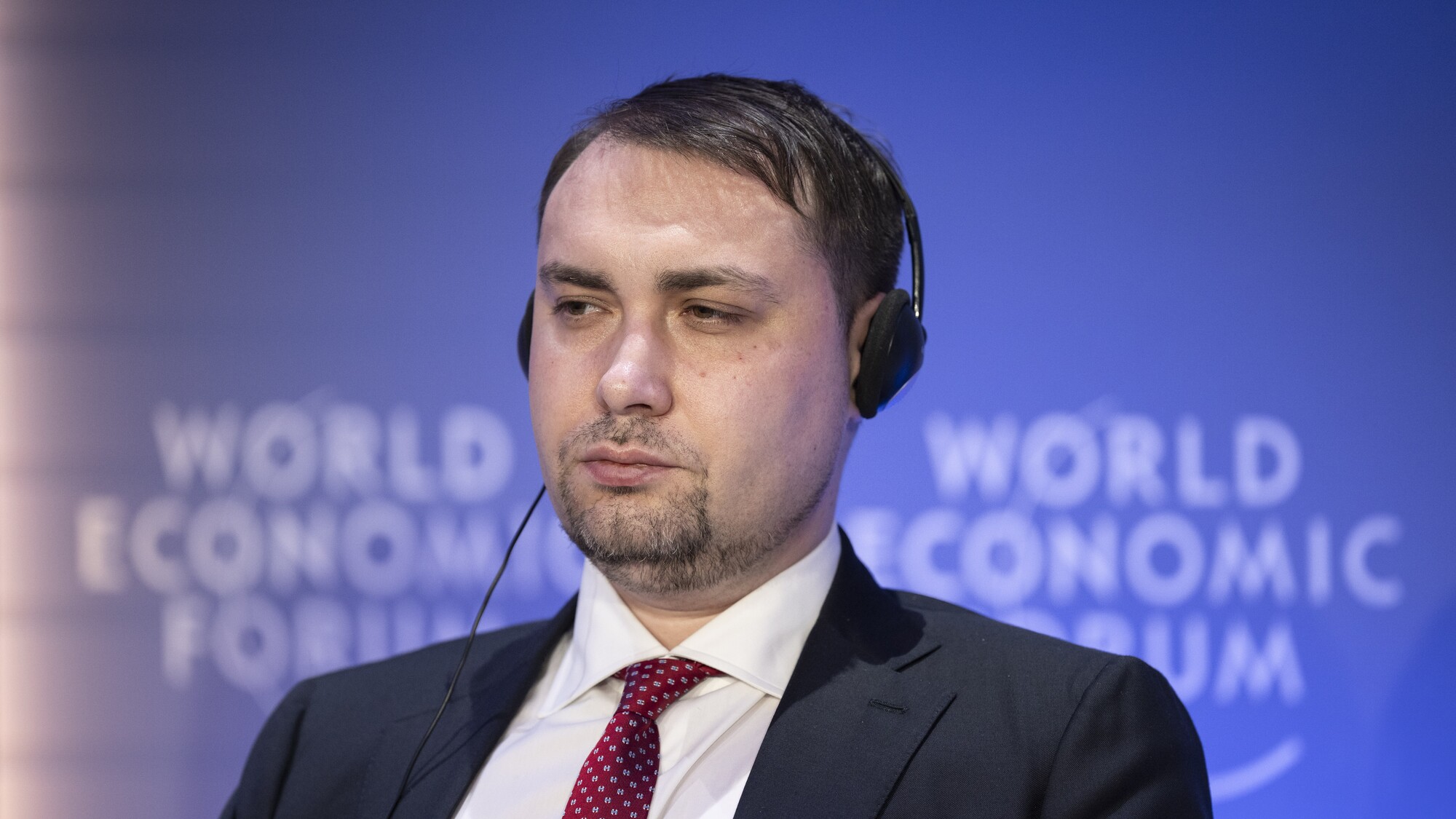
A source in Kyrylo Budanov's circle told LIGA.net that they wouldn't call it a "demand." But the fact remains: experience working with American partners was one of the arguments when Zelenskyy chose a new head of the Presidential Office following Andriy Yermak's resignation.
This is not diplomatic abstraction. According to data cited by the Washington Post, Budanov, while heading the GUR, maintained unofficial contacts with representatives from U.S. President Donald Trump's circle — in parallel with Yermak's activities, who sought to control all communication channels independently.
Yermak blocked — Budanov circumvented
Budanov's contacts with American officials occurred in parallel to Yermak's communication. In particular, he communicated with Trump's special envoy Keith Kellogg and Vice President JD Vance's team. Meanwhile, Yermak attempted to block this communication — both directly and through Ukraine's president.
Politico suggested that Yermak saw Budanov as a rival and made several attempts to have him fired, but the former intelligence chief "outwitted him."
"This appointment is intended to dispel concerns about the corruption scandal that removed the previous chief aide"
The Washington Post — on Budanov's appointment as head of the Presidential Office
Yermak left his position on November 28, 2025 — the same day when NABU detectives conducted searches at his residence and office as part of an investigation into a corruption scandal in the energy sector. For him, this came as a complete surprise.
What changed operationally
Budanov doesn't pressure deputies, doesn't provoke open conflicts, and rarely appears publicly — but is consistently growing in presidential ratings.
If Yermak's interaction with Zelenskyy was built on informal trust and personal friendship, then with Budanov's appointment, this communication became more formalized, institutional, and official.
Budanov is expected to lead negotiations on ending the war, guarantees from the United States and partners, and security issues as head of the Ukrainian delegation. According to the Washington Post, despite his reputation as a tough "hawk," Budanov played an important, though unpublicized role in peace negotiations in early 2025 and proved himself to be one of the most sober and realistic interlocutors.
But there is a disconnect between personnel logic and reality: the appointment was explained by "experience working with partners," yet the first 100 days have shown that Budanov consciously stays in the shadows — doesn't take on the public front, doesn't displace other decision-making centers.
If negotiations with the United States enter a phase where reputation is less important than a concrete position on territories — will it turn out that "acceptability to Washington" and "ability to protect Ukrainian interests at the table" are not the same thing?





