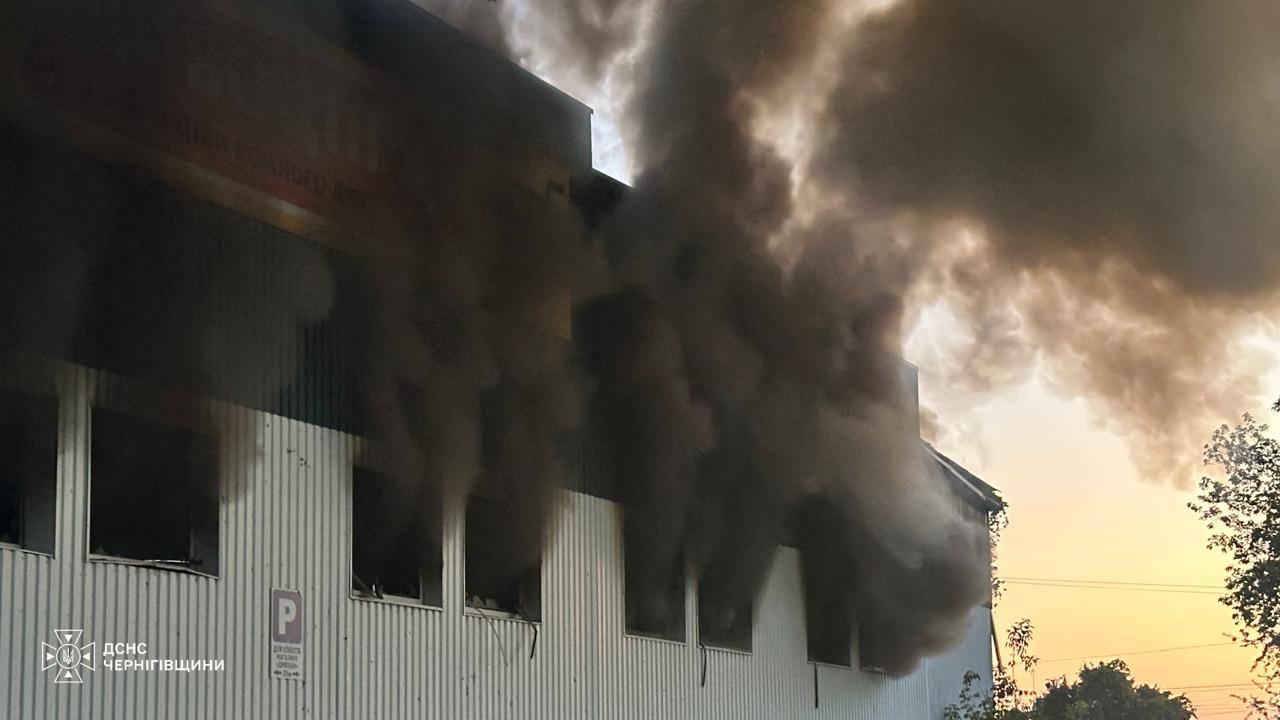
During the night of August 26, Russia struck Chernihiv. A residential building caught fire, and rescuers found the bodies of a woman and a four-year-old girl under the rubble and ashes. Another child, a 14-year-old, was injured. This was reported by the State Emergency Service.
This is not an isolated case in recent days. In the evening of August 25, the city was already attacked — three outbuildings caught fire and two children were injured. On August 24-25, Russians struck the city of Mena in the same Chernihiv region twice, destroying a Ukrainian Post office building.
Geography matters more than chance
Chernihiv region borders Russia and Belarus — it is one of the shortest routes for drones and missiles flying from the aggressor's territory. Unlike Kharkiv or Sumy, where attacks are often explained by proximity to the front line, Chernihiv is located deeper in the rear — and that is precisely why strikes against it are harder to dismiss as "targeting error."
Repetition is the key detail. When the same city is struck twice in a day with an interval of less than 24 hours, and before that — a neighboring district center, this points to a deliberate bombardment of residential and civilian infrastructure, not a miss during an attack on a military facility.
What this means for residents
For families in Chernihiv, this means: shelter is needed not only during "major" massive attacks on energy infrastructure, but every night. The fire that started after the strike claimed lives before rescue services could arrive — meaning time is measured in minutes between the alert and direct impact.
A shop near the building also caught fire — the strike affected not only residential buildings but also a place people visit every day.
The question that remains
If attacks on Chernihiv and Mena continue at the same frequency, the next step should be a decision to strengthen specifically local air defense in border regions — and not just around major cities and energy facilities. Will the state manage to redistribute air defense resources before the next strike on a residential neighborhood claims another life?