When in February 2025 a Russian Shahed-2 drone pierced a hole in the steel arch above the fourth reactor of the Chornobyl Nuclear Power Plant, official statements sounded restrained: there is damage, no radiation leak, the situation is under control. Ten months later, the IAEA clarified — the situation is more complex.
What the inspection confirmed
In December 2025, specialists from the agency completed a comprehensive inspection of the New Safe Confinement (NSC) — a steel arch worth €1.5 billion, erected in 2016 over the sarcophagus of the fourth reactor. The conclusion turned out to be harsh.
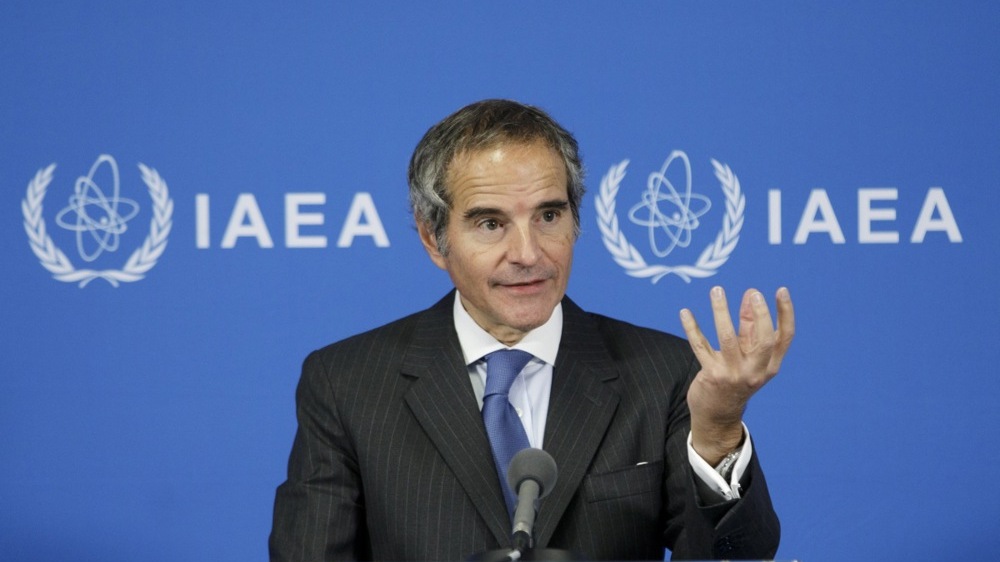
"The mission confirmed that the protective structure has lost its main safety functions, including the function of containing radiation"
Rafael Grossi, Director General of the IAEA
At the same time, Grossi clarified: load-bearing structures and monitoring systems — without permanent damage. That is, the arch does not threaten collapse, but no longer isolates the reactor space from the external environment as it should.
The drone strike left a large hole in the roof. During firefighting, firefighters punched approximately 300 smaller openings in the external cladding — for water supply. Currently, the main opening is covered with a temporary screen.
How much it will cost and who will pay
Full repairs are not a matter of weeks or even one year. According to data from French companies involved in the assessment, the cost ranges from €300 million to €700 million. As reported by biz.liga.net, the EBRD operates with an average figure of €500 million — with the caveat that due to inflation and logistics, the amount could increase.
EBRD President Odile Renaud-Basso outlined a strict timeline: firm donor commitments are needed by the end of 2027 so that full-scale repairs can start in 2028 and be completed by 2030. According to her, 2030 is not a bureaucratic date but a technical deadline: after that, uncontrolled corrosion of the steel structures begins.
Donors to the International Chornobyl Cooperation Account have already approved the allocation of €30 million for initial engineering and procurement work, and international partners have confirmed €42.5 million for stabilization repairs. However, this is a preparatory minimum, not full financing.
Why delay is dangerous twice over
Grossi emphasized: the damage turned out to be more serious than initially thought, and postponing repairs threatens not only the structure itself. The NSC was designed to last 100 years — to provide time to safely dismantle the radioactive remnants of the fourth reactor. Without a hermetic confinement, this process becomes technically far more complex and expensive.
Chornobyl NPP Director Serhiy Tarakanov said in December 2025 that even under the most optimistic scenario, three to four years of active work remain before the external shell is fully restored.
That means between "arch is pierced" and "arch again isolates the reactor" — at least five years, €500 million, and complete absence of new strikes on the facility.
If donors do not lock in commitments by the end of 2027, repairs will shift beyond 2030 — and then the question is no longer about timelines, but whether it will be possible at all to stop steel corrosion without replacing key structural elements.





