Vladimir Zelensky's first visit to Serbia in eight years triggered an expected reaction from Kosovo – "emotional outbursts," as former Foreign Minister Pavlo Klimkin called them. But behind this emotion lies a practical detail that is rarely voiced: Ukraine and Serbia stand on the same side of one of Europe's most acute diplomatic issues – non-recognition of Kosovo's independence.
This is no coincidence and no trifle. Ukraine's position on Kosovo is directly linked to the principle of territorial integrity, which Kyiv upholds regarding its own occupied territories. To recognize Kosovo's unilateral separation from Serbia would undermine Ukraine's own legal logic in its confrontation with Russia. Thus, Ukraine finds itself in company with five other EU member states: Spain, Greece, Romania, Slovakia, and Cyprus.
The Balkans as a space where Russia also plays
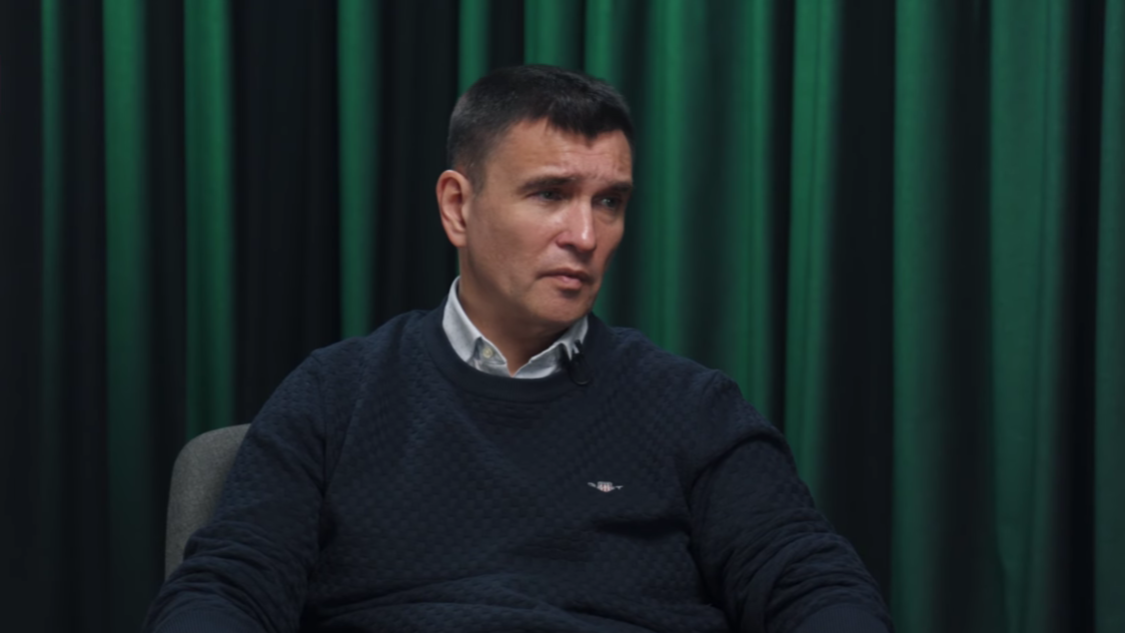
Klimkin described Serbia as a country that "zigzags" between the EU, Russia, and China, while maintaining steady ties with Beijing. For Kyiv, this is not abstract geopolitics – it is a specific region where Moscow has spent decades shaping narratives through language, religion, and historical memory, weakening international support for Ukraine precisely where such support is not automatic.
"Serbia is a very important country for us in terms of our positioning in the Balkans and creating, I won't say problems, it's quite difficult for us, but at least challenges for today's Russia there. And the Kremlin understands this too," Klimkin said.
In other words, it is not about dragging Belgrade to Kyiv's side by force, but about slow work to eliminate Russian influence in a place where Moscow has grown accustomed to feeling at home.
What this means in practice
The shared disagreement over Kosovo is not ideological kinship, but a point of contact that can be used to build dialogue without ideological pressure from the West. Serbia, according to Klimkin, is seeking a way to join the EU "at least partially on its own terms" – and Ukraine, which is itself conducting accession negotiations, understands this logic of bargaining from within.
Meanwhile, Serbian President Aleksandar Vučić did not hide his skepticism during a joint briefing: he stated that he does not see signs of the war ending in the near future. This is a realistic, though unfavorable for Kyiv assessment, which indicates the limits of what can be expected from Belgrade in the near term.
The question remains open: will the Kosovo precedent become a point of convergence of interests, or will it remain merely a diplomatic curiosity that both sides mention when convenient? The answer will depend on whether Kyiv is ready to invest political capital in a region where quick results will not materialize.