What happened
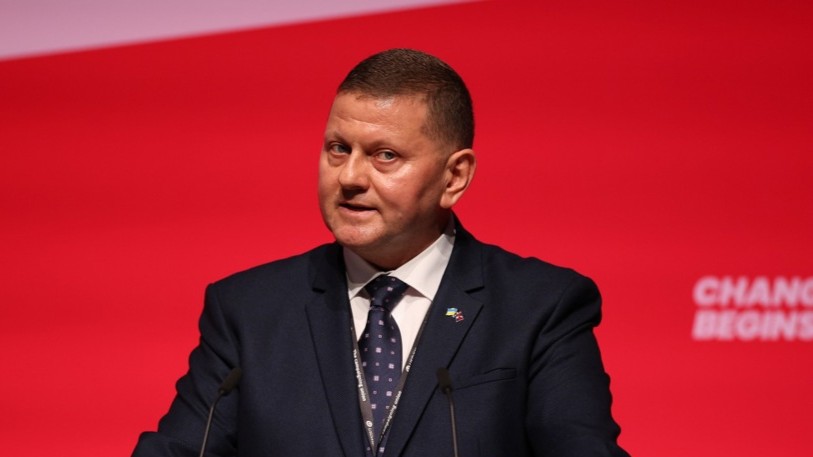
In September 2022, according to the Associated Press, the Security Service of Ukraine conducted a search of the office of the then Commander-in-Chief of the Armed Forces of Ukraine, Valerii Zaluzhnyi. According to the former commander, dozens of SBU personnel took part in the search; there were allegedly more than a dozen British officers in the premises.
Zaluzhnyi's version
Zaluzhnyi describes the incident as a "clear threat" and suggests the search may have been an attempt at intimidation by the Office of the President. He says he called the then head of the Office of the President, Andriy Yermak, and warned that he was prepared to deploy military personnel to protect the command center.
I told Yermak that I would repel this attack because I know how to fight: "I will fight you and have already called in reinforcements for support."
— Valerii Zaluzhnyi, former Commander-in-Chief of the Armed Forces of Ukraine
According to Zaluzhnyi, he also called the then head of the SBU, Vasyl Malyuk, but was told that he "knows nothing" and would look into it. A court document obtained by AP states that two days before the search the SBU applied to a district court in Kyiv requesting a warrant to search the same address on grounds framed as related to a strip club allegedly owned by a criminal organization.
Two employees of that club told reporters that the establishment at the stated address had been closed even before the full-scale invasion.
Positions of the parties and sources
The Associated Press published materials citing court documents and interviews with witnesses. The piece notes that the SBU and the Office of the President declined to comment at the time of publication.
Why this matters
The incident touches on four practical dimensions that concern every Ukrainian:
- Command security: the presence of foreign officers and potential threats to headquarters during wartime are matters of operational security.
- Civil-military relations: any conflict between security agencies and the Office of the President undermines coordination at critical moments.
- Trust of partners: foreign allies pay attention to institutional stability when deciding on support and equipment.
- Accountability and transparency: court documents and journalistic investigations must determine whether there were legal grounds for the actions and whether investigative procedures were used as a tool of pressure.
Analysts and military experts interviewed by the media warn that even isolated incidents that appear to be internal confrontations can have far-reaching consequences for logistics, data transmission, and unit readiness.
Context
This case is not an isolated event in the pattern of public statements in 2022–2023. In addition to the incident mentioned, on February 14 President Volodymyr Zelensky said that the United States had allegedly advised digging trenches before the full-scale invasion — another example of how tension and unconventional advice shaped the decision-making environment.
Conclusion
The fact of the search is supported by the existence of official documents and statements, but questions of causes and consequences remain open. What matters now is not emotions but an investigation: whether there were grounds for the investigative actions and who will bear responsibility if procedures were used as a tool of pressure. Without transparent results, the risk of further erosion of trust between the military, security services and political authorities increases — and this directly affects our ability to defend ourselves and to receive support from partners.





