51% of German residents disagree with the assertion that their country is stable and safe. This is the result of a survey by the Civey institute commissioned by the Funke Mediengruppe media group, as cited by Welt.
The figure itself is not sensational – public anxiety in Europe has been growing for years. What is more interesting is something else: 54% of respondents say that their personal sense of security has not changed recently. In other words, mass distrust of "the country overall" is not always accompanied by personal fear for oneself. People separate abstract assessments of the system from their own everyday experience.
One incident changed the statistics
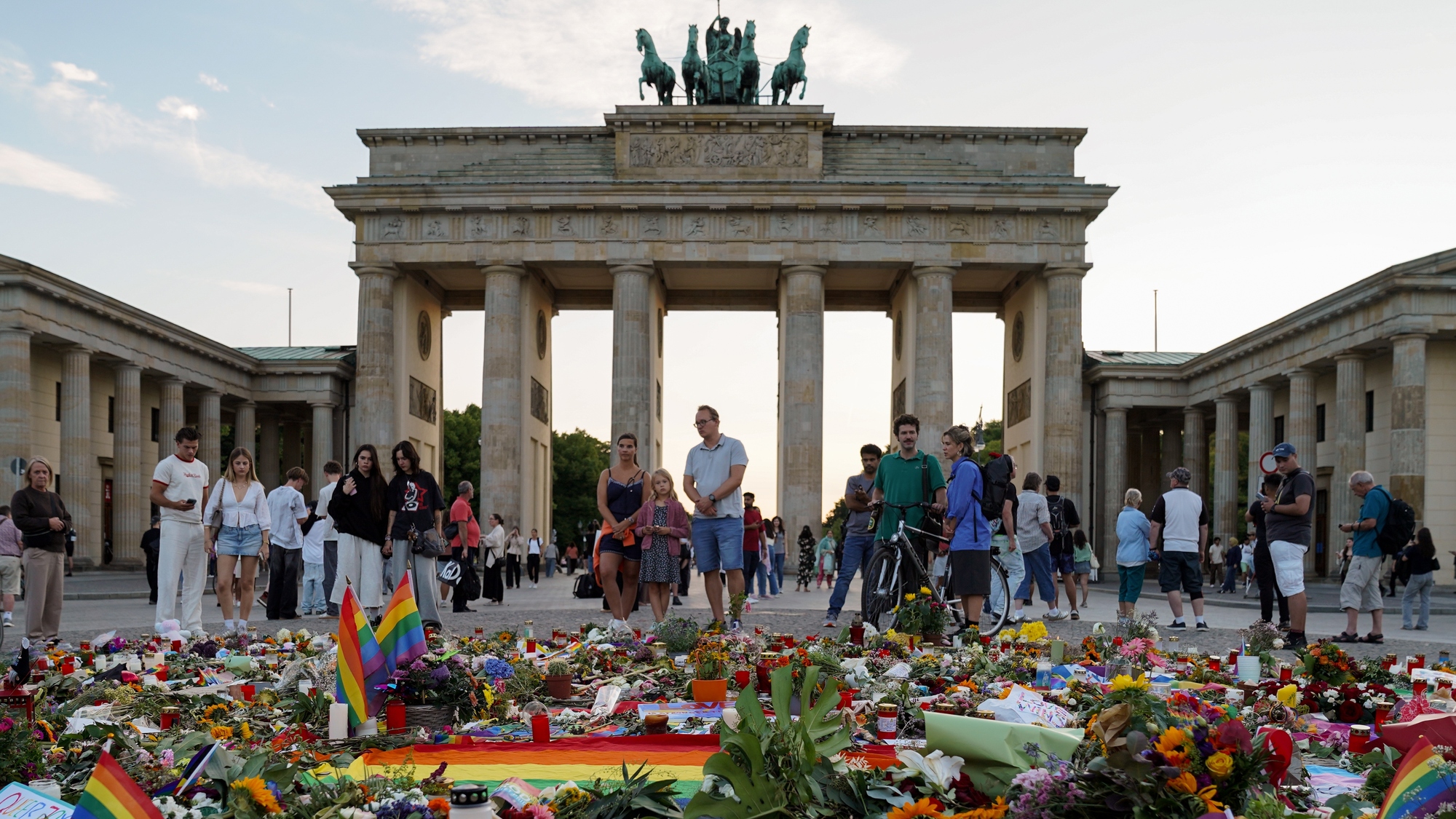
38% of respondents directly link the decline in sense of security to the July 25 terrorist attack in Berlin, when a car drove into a crowd near an LGBT pride event, Christopher Street Day. A woman was killed, 29 people were injured, and the attacker – a 21-year-old German citizen of Lebanese descent – subsequently attacked passersby with a machete before being neutralized by police.
The survey was conducted July 28–30, literally in the immediate aftermath – an important methodological detail. The reaction to a specific event in the first days after it traditionally stronger than established public opinion. After a month or two, the figures could look different.
Germany's Interior Minister called the attack a probable Islamist terrorist attack – a formulation that in German political discourse immediately activates the topic of migration policy.
The question is not about crime statistics
The actual number of terrorist attacks in Germany is not rising dramatically year-over-year. But one high-profile incident can instantly crash the indicator of trust in "country stability" by several percentage points – and this works not only in Germany. In Ukraine, discussions about migrant workers and demographic crisis are also often built not on figures, but on individual stories.
The question for German politics now is practical: will this sense of insecurity withstand the test of time, or will it become the new norm of public sentiment leading up to the next elections? If a repeat Civey survey in a few months shows the same 51%, rather than a reversion to pre-war levels, it would mean that what has changed is not the perception of one incident, but basic trust in the state as such.