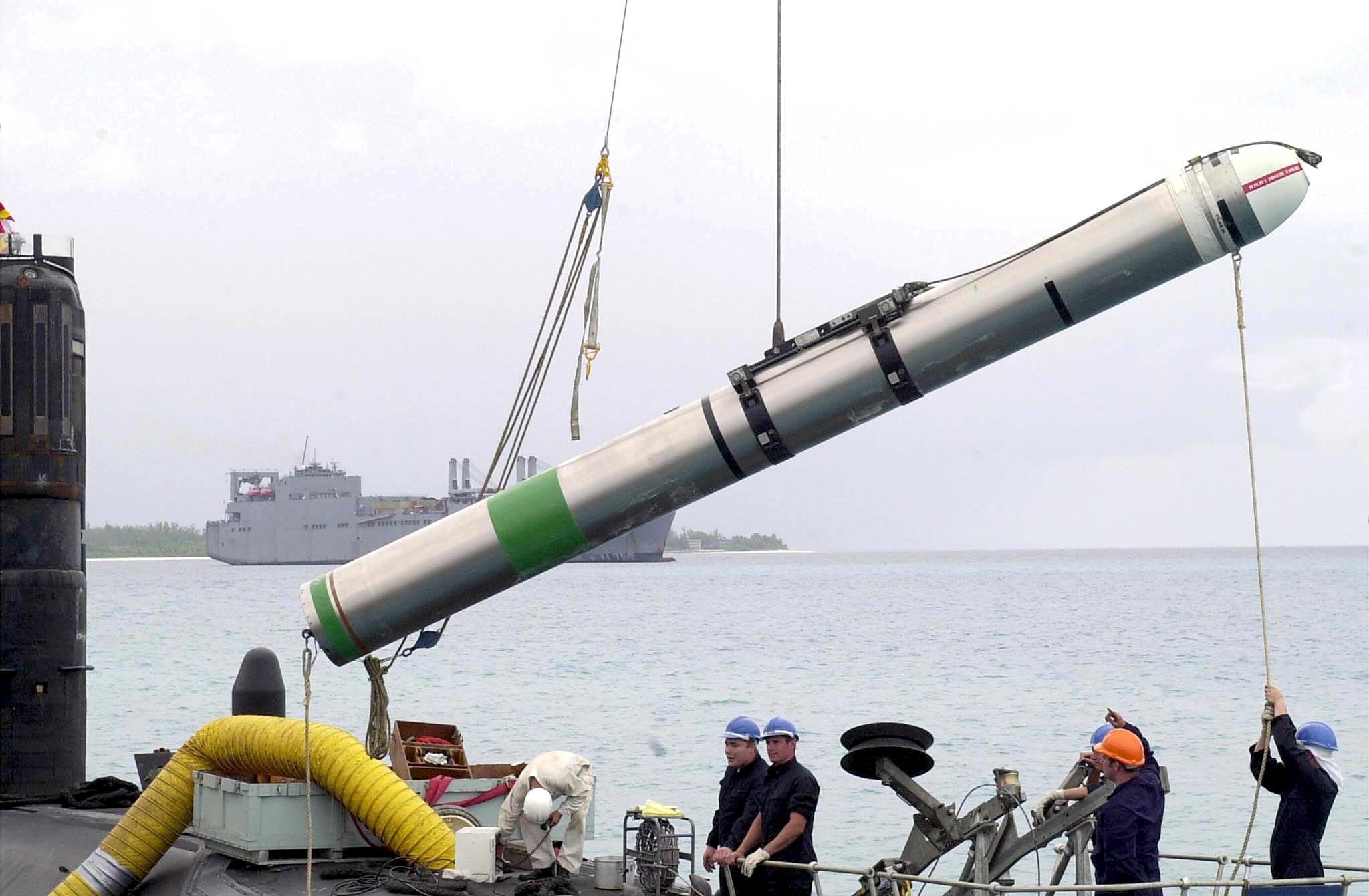
The Pentagon has effectively buried a plan to deploy Tomahawk missiles in Germany, an agreement reached under Joe Biden, according to Politico. Sources for the publication — two European and one American official speaking anonymously — claim that one of the key reasons is fear that Moscow will view the appearance of missiles as an escalation.
What is being cancelled and why it matters
The battalion was to operate Typhon launcher systems capable of firing Tomahawk cruise missiles and SM-6 missiles. The deployment was initially agreed upon under the Biden administration as part of a broader NATO strategy to deter Russia.
The placement of these missiles — promised by Biden in 2024 — was intended to strengthen NATO's non-nuclear deterrence against Russia in response to Moscow's deployment of Iskander missiles in 2018 in the Kaliningrad exclave on the Baltic Sea.
"This plan is effectively dead. Germany and its allies are left with a gap in defense — and with no quick way to close it."
Politico
Asymmetry of threat
The deployment was initially discussed as NATO's response to the placement of Russian Iskander-M missiles in Kaliningrad, where Russia's missile coverage already extends across much of Central Europe.
Berlin viewed the decision as evidence that American commitments in Europe are increasingly becoming politically conditional — and at the same time, it reopens a gap in NATO's conventional strike capability, since Germany has no land-based precision strike system with a range exceeding 1,000 km.
What remains as an option
One immediate option for Berlin is to modernize Taurus missiles, which currently have a range of approximately 500 km. Berlin suspended production of these missiles but plans to resume manufacturing of the Taurus Neo variant.
The modernization to Taurus Neo will extend the range to approximately 1,000 km, but will not be available before 2030. This means the gap will remain for at least five years.
A senior NATO diplomat acknowledged that Europe still lacks capability in the field of "long-range fire."
If Berlin obtains neither American Tomahawks nor its own system by 2030, the real question becomes not whether Russia will react to the missiles — but whether NATO can deter it without them.





